Hey there! As a supplier of WPC wall panels, I often get asked about the sound insulation performance of these amazing products. So, I thought I'd take a few minutes to break it down for you and explain how WPC wall panels stack up when it comes to keeping noise at bay.
First things first, let's talk about what WPC actually is. WPC stands for Wood Plastic Composite. It's a material made by combining wood fibers or flour with thermoplastics, along with some additives. This unique blend gives WPC wall panels a bunch of great properties, and sound insulation is one of them.
How Do WPC Wall Panels Provide Sound Insulation?
The sound insulation of WPC wall panels mainly comes from their structure and composition. The wood fibers in the WPC material act as natural sound absorbers. When sound waves hit the wall panel, these fibers start to vibrate. This vibration converts the sound energy into heat energy, effectively reducing the amount of sound that passes through the panel.
The plastic component in WPC also plays a role. It provides a solid structure that helps to block sound transmission. The combination of the wood fibers and plastic creates a multi - layer effect that can significantly dampen sound.
Factors Affecting Sound Insulation Performance
Panel Thickness
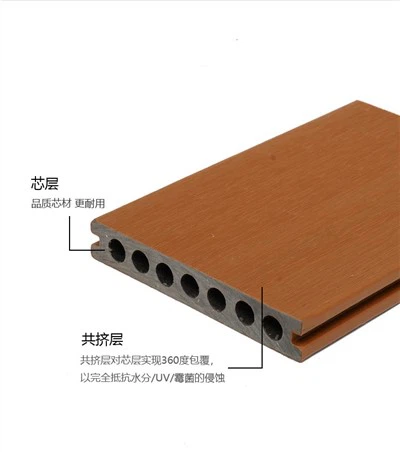
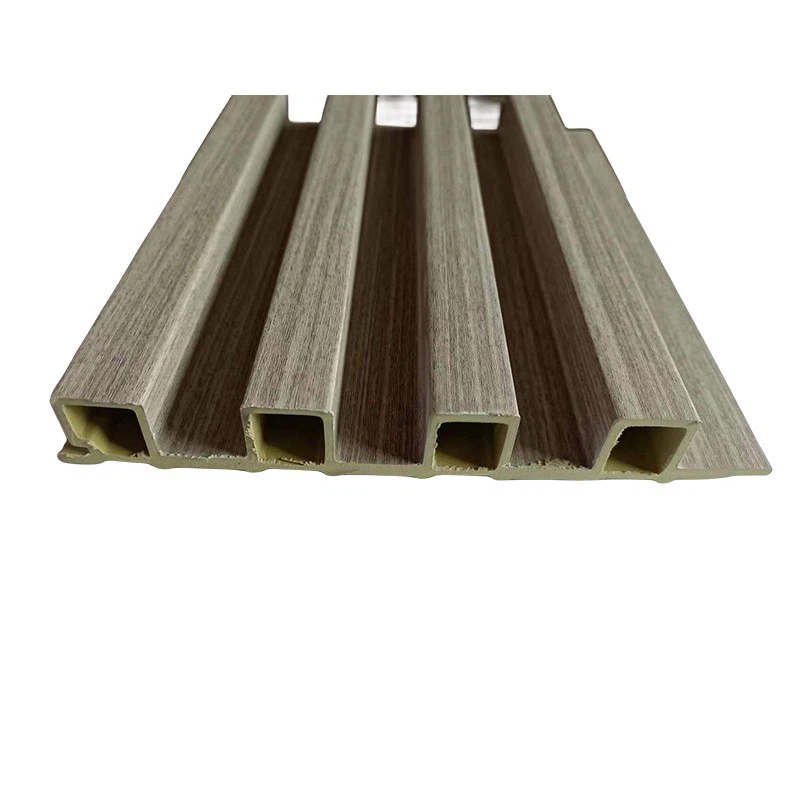
One of the most important factors is the thickness of the WPC wall panel. Generally speaking, the thicker the panel, the better the sound insulation. A thicker panel has more material to absorb and block sound waves. For example, if you're looking for a high - level of sound insulation in a noisy environment like a recording studio or a room next to a busy street, you might want to consider using Latest Generation Co - extrusion Wpc Wall Panel. These panels are often available in thicker options that can provide excellent soundproofing.
Density
The density of the WPC wall panel also matters. Higher - density panels tend to have better sound insulation properties. A denser panel has less air space within its structure, which means there are fewer pathways for sound waves to travel through. Our Wood Plastic Composite Wall Panel Wpc Cladding Waterproof Wood Panel Boards are engineered to have an optimal density to ensure good sound insulation as well as other benefits like waterproofing.
Installation Method
Proper installation is crucial for achieving the best sound insulation performance. If the panels are not installed correctly, there may be gaps between them. These gaps can allow sound to leak through, reducing the overall effectiveness of the sound insulation. Make sure to follow the installation guidelines carefully. For instance, using appropriate sealants around the edges of the panels can help to close any potential gaps and improve the soundproofing.
Comparing WPC Wall Panels with Other Materials
When compared to traditional wall materials like drywall, WPC wall panels can offer comparable or even better sound insulation in some cases. Drywall is a common choice for interior walls, but it may not be as effective in blocking certain frequencies of sound. WPC wall panels, with their unique combination of wood and plastic, can absorb a wider range of sound frequencies.
Compared to solid wood panels, WPC wall panels are often more cost - effective while still providing good sound insulation. Solid wood can be expensive, and it may also require more maintenance. WPC wall panels are more durable and resistant to moisture, making them a practical choice for many applications.
Applications of WPC Wall Panels for Sound Insulation
Residential Use
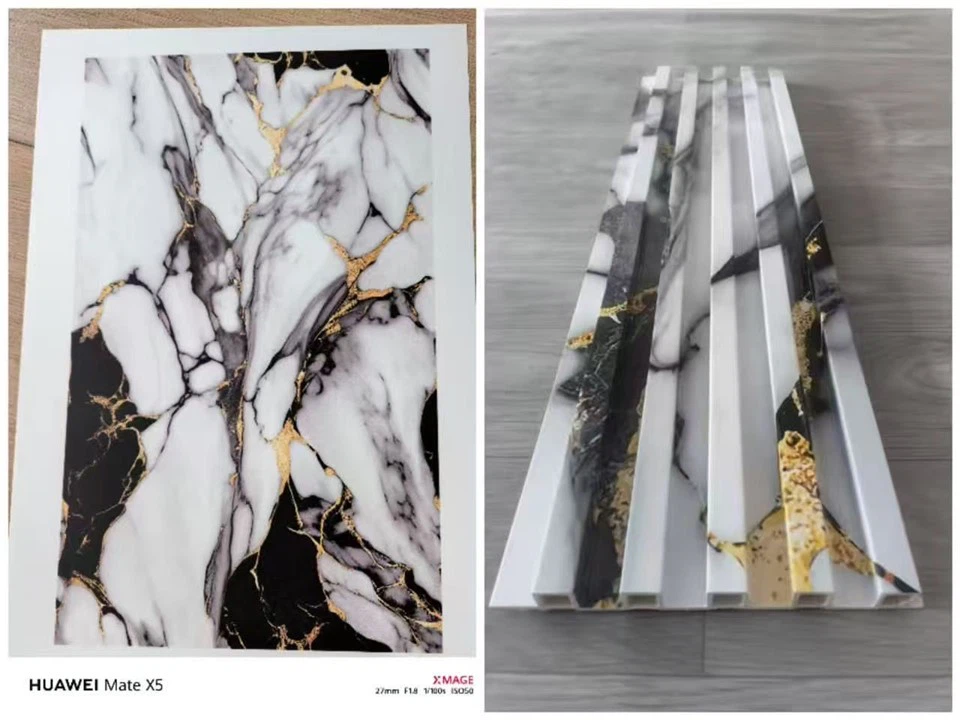
In homes, WPC wall panels can be used in bedrooms, home theaters, and nurseries. In bedrooms, they can help to create a quiet and peaceful sleeping environment by blocking out external noise. For home theaters, they can enhance the audio experience by reducing sound leakage and preventing outside noise from interfering with the movie or music. And in nurseries, they can keep the baby's room calm and quiet. Our Co - Extrusion Waterproof Decorative Wpc Wall Panels are not only great for sound insulation but also come in a variety of decorative styles to match your home decor.
Commercial Use
In commercial settings, WPC wall panels are suitable for offices, conference rooms, and restaurants. In offices, they can reduce distractions from nearby workstations and external noise, improving productivity. Conference rooms need to be soundproof to ensure privacy during meetings. And in restaurants, they can create a more comfortable dining environment by reducing the noise level from the kitchen and other diners.
Measuring Sound Insulation Performance
The sound insulation performance of WPC wall panels is usually measured using a unit called the Sound Transmission Class (STC). The STC rating indicates how well a material can block sound. A higher STC rating means better sound insulation. When choosing WPC wall panels, look for the STC rating provided by the manufacturer. This will give you a clear idea of how well the panels will perform in terms of soundproofing.
Conclusion
So, there you have it! WPC wall panels offer a great solution for sound insulation. Their unique combination of wood and plastic provides both absorption and blocking of sound waves. Factors like thickness, density, and installation method can affect their performance, but when chosen and installed correctly, they can significantly reduce noise levels in various settings.
If you're interested in purchasing WPC wall panels for their sound insulation properties or other benefits, I'd love to have a chat with you. Whether you're a homeowner looking to upgrade your living space or a commercial builder in need of reliable wall materials, we can find the right WPC wall panels for you. Just reach out, and we can start discussing your specific requirements.
References
- ASTM International. Standard Test Method for Laboratory Measurement of Airborne Sound Transmission Loss of Building Partitions and Elements.
- Building Research Establishment. Sound Insulation in Buildings: A Guide to Good Practice.