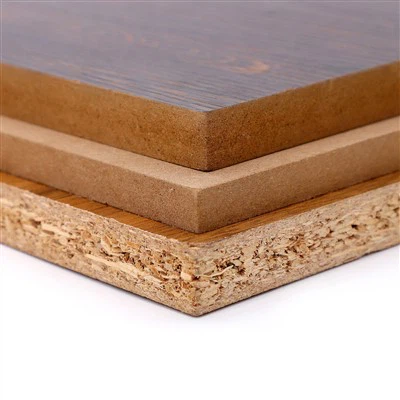
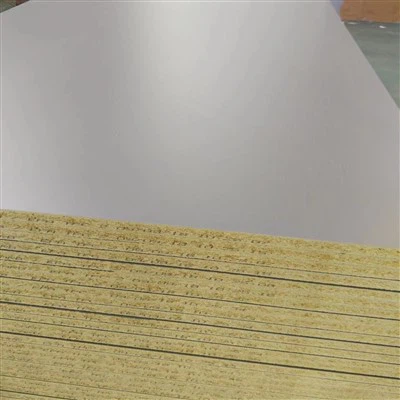
As a plain chipboard supplier, I often get asked if plain chipboard can be used for packaging. It's a valid question, given the wide variety of packaging materials out there. In this blog post, I'll share some insights on why plain chipboard can be a great option for packaging and where it might fall short.
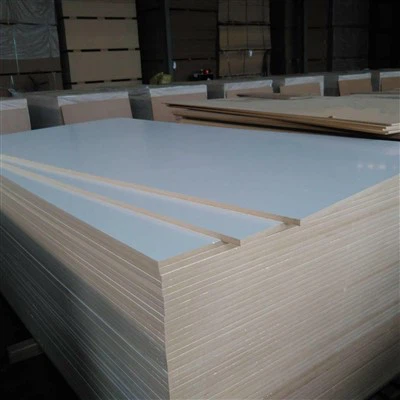
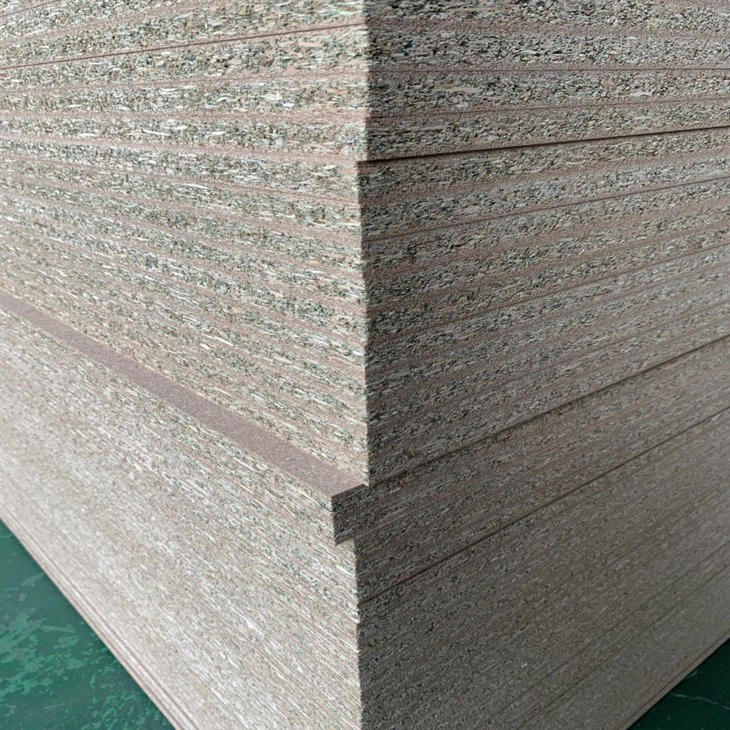
Let's start with the basics. Plain chipboard is made from wood chips or particles that are glued together under high pressure and heat. It's a cost - effective and versatile material that has been around for a long time. One of the biggest advantages of using plain chipboard for packaging is its affordability. If you're a business looking to cut down on packaging costs without sacrificing too much on quality, plain chipboard can be a god - sent.
Another plus is its ease of customization. You can cut plain chipboard into various shapes and sizes to fit your specific product needs. Whether you're packaging small electronic gadgets or large household items, chances are you can create a custom - fit chipboard package. And if you want to add a bit of branding, you can easily print your logo or product information on the surface of the chipboard.
In terms of strength, plain chipboard can hold up well for many types of products. For lightweight to moderately heavy items, it provides sufficient protection during shipping and handling. It can withstand a certain amount of pressure and impact, which is crucial to ensure that your products reach your customers in one piece.
Now, let's talk about some of the applications where plain chipboard shines in the world of packaging. For consumer goods like cosmetics, stationery, and small toys, plain chipboard boxes are a popular choice. They offer a clean and simple look that can be enhanced with a bit of printing or a matte or glossy finish.
For food packaging, plain chipboard can also be used, especially for dry goods like cereals, crackers, and snacks. It provides a barrier against moisture to some extent and can be lined with a food - safe material to meet hygiene standards.
However, plain chipboard does have its limitations. One of the major drawbacks is its susceptibility to moisture. Unlike Moisture Resistant Chipboard, plain chipboard can warp or become weakened when exposed to high humidity or direct contact with water. So, if you're packaging products that need to be protected from moisture, such as fresh produce or electronics that are sensitive to humidity, plain chipboard might not be the best option.
Another consideration is the overall durability. While it's strong enough for many applications, it may not be suitable for extremely heavy or bulky items. For example, if you're shipping large machinery parts, you'll likely need a more robust packaging material like corrugated cardboard or wooden crates.
When it comes to environmental concerns, plain chipboard has both pros and cons. On the positive side, it's made from wood, which is a renewable resource. And if it's sourced from sustainably managed forests, it can be an eco - friendly choice. However, the glues used in the manufacturing process can sometimes contain chemicals that may be harmful to the environment. So, it's important to look for plain chipboard that is made with low - VOC (volatile organic compounds) glues.
Now, how does plain chipboard compare to other packaging materials in the market? Let's take a look at some common alternatives.
Corrugated cardboard is a very popular packaging material. It's known for its excellent strength - to - weight ratio and is highly resistant to impact. However, it can be more expensive than plain chipboard. If you're on a tight budget and your products don't require the extra strength that corrugated cardboard offers, plain chipboard can be a more economical option.
Plastic packaging is another alternative. It's lightweight, waterproof, and can be molded into various shapes. But plastic is not very environmentally friendly, as it takes a long time to decompose. Plain chipboard, on the other hand, is more biodegradable and can be recycled in many cases.
Melamine Laminated MDF and Hdf Board are also used in some packaging applications. They offer a more finished and durable look compared to plain chipboard. However, they are usually more expensive and may not be necessary for all types of products.
Poplar Or Hardwood Mixture Particle Board can be a step up from plain chipboard in terms of quality and strength. But again, the cost might be higher. For businesses that need a balance between cost and quality, plain chipboard can still be a viable choice.
In conclusion, plain chipboard can definitely be used for packaging, and it has a lot going for it in terms of cost, customization, and general suitability for many products. But it's important to assess your specific needs, such as moisture resistance and durability, before deciding if it's the right material for you.
If you're interested in learning more about our plain chipboard products or are thinking about using it for your packaging needs, I'd love to have a chat with you. We can discuss your requirements in detail and see how we can provide the best solution for your business. Don't hesitate to reach out and start the conversation about your packaging project.

References
- Packaging Industry Association Reports
- Wood Product Manufacturing Research Papers
- Conferences on Sustainable Packaging Materials