


Outdoor WPC
Yinhao Import&Export:Your Professional Outdoor WPC Manufacturer!
Yinhao Import & Export Co., Ltd. began producing plywood in 2007. After 18 years of development, the company now operates three factories: a plywood plant, a new materials plant, and a veneer plant. The company covers 36,000 square meters, employs 86 people, and has an annual production capacity of 60,000 cubic meters.


Why Choose Us
Quality Assurance
The company strictly adheres to industry quality system standards and specifications, using industry-leading testing equipment to ensure product quality and maintain a strong reputation.
Affordable Prices
We have a professional procurement and cost accounting team dedicated to reducing costs and maximizing value, allowing us to offer you competitive prices.
Professional Service
Yinhao has three sales teams and two inspection teams providing 24/7 service. If you encounter any issues with our products, we will respond quickly and offer full support.
OEM/ODM Services
When you request a solution, our engineers will provide a faster and more complete customized plan. We offer a wide range of products and technical support tailored to your specific needs, ensuring you select the right product.
Advantages of wood plastic composites in outdoor applications:
Eco-Friendly
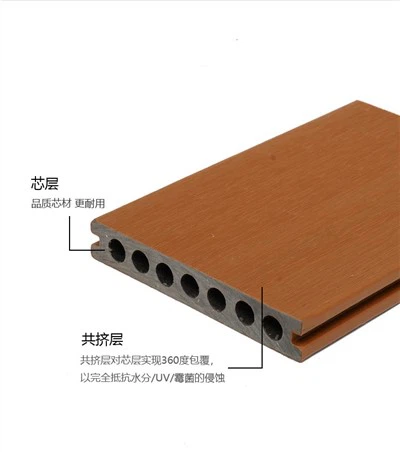
WPC materials are an environmentally responsible choice, as they are made from recycled wood fibers and plastics. By reusing waste materials, WPC reduces landfill contributions and decreases the demand for virgin resources. This sustainable approach appeals to eco-conscious consumers and aligns with green building practices.
Weatherproof
One of the most notable features of WPC is its ability to withstand harsh weather conditions. It resists water, UV rays, and extreme temperatures, making it ideal for outdoor use. Unlike natural wood, WPC does not warp, swell, or fade when exposed to prolonged sunlight or heavy rain, ensuring long-lasting performance.
Durable
WPC materials are designed to outlast traditional wood in various conditions. The combination of wood fibers and thermoplastics creates a sturdy material resistant to rot, pests, and daily wear and tear. This durability makes it a reliable choice for projects that require a long lifespan with minimal upkeep.
Aesthetic Appeal
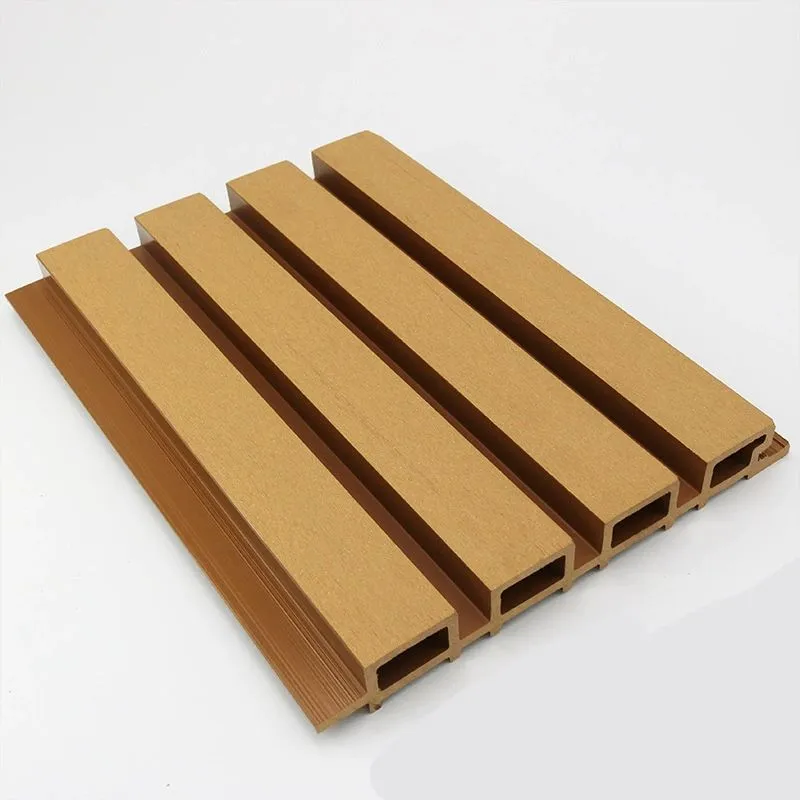
WPC offers a wide range of textures, colors, and finishes, allowing it to mimic the appearance of natural wood or other materials. Whether you prefer a classic timber look or a modern design, WPC can complement diverse architectural styles, adding visual appeal to your space.
Low Maintenance
Unlike natural wood, which requires frequent painting, sealing, or polishing, WPC is virtually maintenance-free. Its resistance to stains, scratches, and fading eliminates the need for constant upkeep. Cleaning is simple and hassle-free, making it a convenient choice for homeowners and businesses alike.
Application Field of Outdoor WPC
Building and Construction
WPC's primary use is in decking, fencing, and siding. Its durability makes it ideal for outdoor structures.
01
Outdoor Furniture
WPC is increasingly popular for making outdoor furniture due to its weather-resistant properties and minimal maintenance requirements.
02
Automotive Industry
In the automotive sector, WPC is used for interior panels and trims, offering a lightweight yet sturdy alternative.
03
Landscaping and Garden
WPC is resistance to decay makes it suitable for garden beds, planters, and landscape edging.
04
Other Innovative Uses
WPC is finding its way into various industries, from marine applications to consumer goods, showcasing its versatility and adaptability.
05
Step-by-Step Guide to the Wood Plastic Composite Manufacturing Process
The first step in WPC production is the preparation of raw materials. This involves sourcing and processing the following components:
Wood Fibers/Flour: These are typically obtained from sawdust, wood shavings, or agricultural residues like rice husks. The material is finely ground to ensure uniform blending.
Thermoplastic Polymers: Recycled or virgin plastics are cleaned and processed to remove impurities.
Additives: Chemicals like UV stabilizers, fire retardants, and colorants are prepared to customize the properties of the final product.
Once the raw materials are prepared, they are combined to form a homogenous blend. This is typically done in a high-speed mixer or extruder under controlled temperature and pressure conditions.
Blending Proportions: The typical composition of WPC is around 50–70% wood flour and 30–50% thermoplastics. Additives are included in small amounts, usually less than 5%.
Melting and Homogenization: The thermoplastics are melted to bind the wood particles uniformly. This ensures consistency in the material’s properties.
The resulting mixture, called “compound,” is pelletized or left in bulk form for further processing.
Extrusion is a critical stage in the WPC production process. The compound is fed into an extruder, where it is shaped into the desired profile.
Heating: The compound is heated to a specific temperature, allowing the plastic to become malleable while ensuring the wood fibers remain intact.
Shaping: The molten mixture is forced through a die to form shapes such as planks, sheets, or custom profiles.
Cooling: The shaped WPC material passes through a cooling system, usually water or air-based, to solidify its structure.
After extrusion, the WPC profiles undergo surface treatment to enhance their aesthetics and functional properties. Common methods include:
Sanding: Smoothens the surface and removes imperfections.
Embossing: Creates wood grain patterns or textured finishes for a natural appearance.
Coating: UV-resistant or water-repellent coatings are applied to extend the product’s lifespan.
The extruded and treated profiles are cut to size according to customer specifications. Automated saws and cutting tools ensure precision and minimize waste.
Quality control is essential throughout the WPC production process to ensure consistent performance and appearance. Key quality checks include:
Dimensional Accuracy: Ensures the profiles meet specified dimensions.
Mechanical Testing: Evaluates strength, flexibility, and impact resistance.
Surface Inspection: Ldentifies defects like cracks, warping, or uneven finishes.
Packaging and Shipping

FAQ