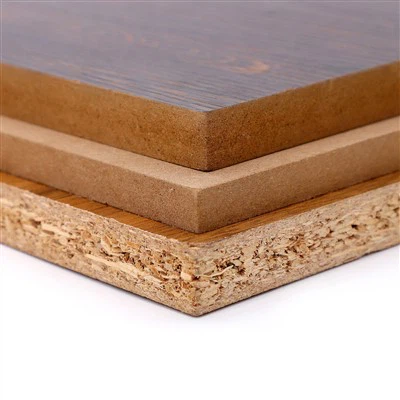
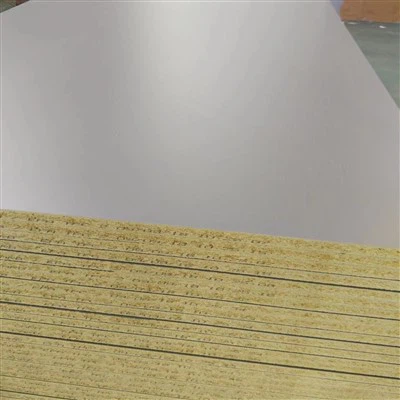
As a supplier of High Density MDF (Medium Density Fiberboard), I am often asked about the moisture resistance of this popular building material. High Density MDF is a versatile product that has found its way into a wide range of applications, from furniture manufacturing to interior decoration. However, its performance in humid environments is a crucial factor that many customers consider before making a purchase. In this blog post, I will delve into the moisture resistance of High Density MDF, exploring its properties, limitations, and how to enhance its ability to withstand moisture.
Understanding High Density MDF
High Density MDF is an engineered wood product made from wood fibers that are bonded together with a synthetic resin under high pressure and temperature. It is known for its smooth surface, uniform density, and excellent machining properties. Compared to other types of wood-based panels, High Density MDF has a higher density, which gives it greater strength and durability.
The manufacturing process of High Density MDF involves several steps. First, the wood fibers are extracted from logs or other wood sources and then refined to a consistent size. Next, a resin binder is added to the fibers, and the mixture is formed into a mat. The mat is then pressed under high pressure and temperature to fuse the fibers together and create a solid panel. The density of High Density MDF typically ranges from 600 to 900 kg/m³, which is higher than that of standard MDF.
Moisture Resistance of High Density MDF
The moisture resistance of High Density MDF is influenced by several factors, including its composition, density, and the type of resin used in its manufacture. Generally, High Density MDF has better moisture resistance than standard MDF due to its higher density. The compact structure of High Density MDF makes it more difficult for moisture to penetrate the panel, reducing the risk of swelling, warping, and delamination.
However, it is important to note that High Density MDF is not completely waterproof. Like all wood-based products, it can absorb moisture when exposed to high humidity or direct contact with water. When High Density MDF absorbs moisture, it can expand and lose its shape, which can affect its structural integrity and appearance. Therefore, it is essential to take appropriate measures to protect High Density MDF from moisture in humid environments.
Factors Affecting Moisture Resistance
Composition and Density
The composition of High Density MDF plays a significant role in its moisture resistance. MDF is made from wood fibers, which are hydrophilic, meaning they have an affinity for water. The higher the density of the MDF, the fewer pores and voids there are in the panel, which reduces the amount of moisture that can be absorbed. Therefore, High Density MDF generally has better moisture resistance than low-density MDF.
Resin Type
The type of resin used in the manufacture of High Density MDF also affects its moisture resistance. Most High Density MDF is bonded with urea-formaldehyde (UF) resin, which is a common and cost-effective binder. However, UF resin has limited moisture resistance, especially in high-humidity environments. To improve the moisture resistance of High Density MDF, some manufacturers use melamine-formaldehyde (MF) resin or phenol-formaldehyde (PF) resin, which are more water-resistant.
Surface Treatment
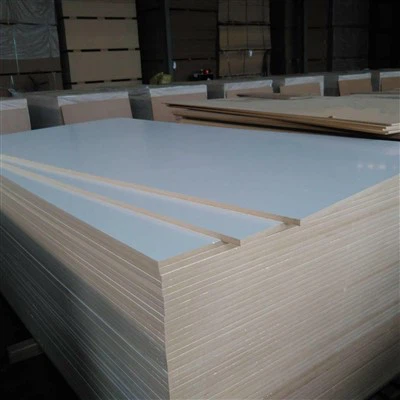
The surface treatment of High Density MDF can also enhance its moisture resistance. Applying a protective finish, such as paint, varnish, or laminate, can create a barrier that prevents moisture from penetrating the panel. Melamine MDF, which is High Density MDF with a melamine resin-impregnated paper surface, has excellent moisture resistance and is often used in kitchen and bathroom applications.
Applications and Limitations
Applications
High Density MDF is a popular choice for a variety of applications due to its versatility and relatively good moisture resistance. It is commonly used in furniture manufacturing, cabinetry, interior decoration, and flooring underlayment. In furniture, High Density MDF can be used for cabinet doors, drawer fronts, and shelves. Its smooth surface and uniform density make it easy to paint, stain, or laminate, allowing for a wide range of finishes.
In interior decoration, High Density MDF can be used for wall paneling, ceiling tiles, and decorative moldings. Its ability to be cut, shaped, and routed makes it a flexible material for creating custom designs. Additionally, High Density MDF is often used as a substrate for veneers, which can enhance its appearance and durability.


Limitations
Despite its advantages, High Density MDF has some limitations when it comes to moisture resistance. It is not suitable for applications where it will be exposed to direct water contact or high levels of humidity for extended periods. For example, it should not be used in outdoor applications or in areas such as saunas, swimming pools, or basements without proper protection.
In wet areas, such as kitchens and bathrooms, High Density MDF should be properly sealed and protected to prevent moisture damage. This may involve applying a waterproof sealant, using a moisture-resistant finish, or installing the MDF in a way that allows for proper ventilation.
Enhancing Moisture Resistance
Sealing and Finishing
One of the most effective ways to enhance the moisture resistance of High Density MDF is to apply a sealant or finish to the surface of the panel. A high-quality paint, varnish, or epoxy coating can create a protective barrier that prevents moisture from penetrating the MDF. Before applying the finish, it is important to sand the surface of the MDF to ensure good adhesion.
Edge Sealing
The edges of High Density MDF are particularly vulnerable to moisture penetration, as they have a higher surface area and more exposed fibers. Therefore, it is essential to seal the edges of the MDF with a suitable edge banding or sealant. Edge banding can be made from a variety of materials, such as PVC, wood veneer, or melamine, and it can provide a neat and professional finish while protecting the edges from moisture.
Installation Considerations
Proper installation is also crucial for ensuring the moisture resistance of High Density MDF. When installing High Density MDF in a humid environment, it is important to leave a small gap between the panels to allow for expansion and contraction. Additionally, the MDF should be installed on a dry and level surface, and any joints or seams should be sealed to prevent moisture from seeping in.
Conclusion
In conclusion, High Density MDF is a versatile and widely used building material that offers relatively good moisture resistance compared to standard MDF. Its higher density, composition, and surface treatment can contribute to its ability to withstand moisture to a certain extent. However, it is not completely waterproof, and it requires proper care and protection in humid environments.
As a supplier of High Density MDF, I recommend that customers consider the specific application and environmental conditions when choosing this material. For applications where moisture resistance is a critical factor, such as in kitchens, bathrooms, or outdoor areas, it is advisable to use High Density MDF with enhanced moisture resistance, such as Melamine MDF or MDF that has been treated with a water-resistant resin.
If you are interested in purchasing High Density MDF for your project, I encourage you to contact me for more information. I can provide you with detailed product specifications, samples, and pricing, and help you choose the right type of MDF for your needs. Whether you are a furniture manufacturer, interior designer, or DIY enthusiast, I am here to assist you in finding the best solution for your project.
References
- ASTM International. (2021). Standard Specification for Medium Density Fiberboard (MDF). ASTM D6192 - 16(2021).
- Wood-Based Panels Industry Federation. (2020). Technical Guide to Medium Density Fiberboard.
- National Research Council Canada. (2019). Moisture Performance of Wood-Based Panels in Buildings.