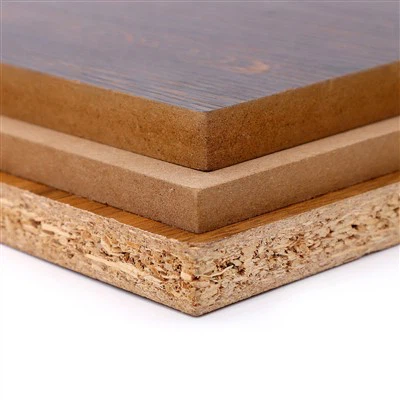
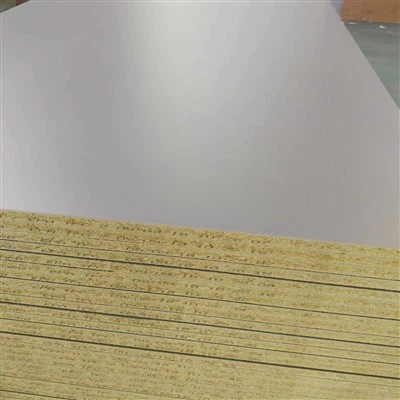
Hey there! As a film faced plywood supplier, I've had my fair share of experiences dealing with all sorts of environments and customer needs. One question that comes up a lot is how film faced plywood performs in high - humidity environments. Well, let's dig into it!


First off, what exactly is film faced plywood? It's basically plywood that has a special film laminated on its surface. This film can be made from different materials, like phenolic resin, which gives it some unique properties. Now, high - humidity environments can be a real challenge for building materials. Think about places like basements, coastal areas, or even some industrial settings where there's a lot of moisture in the air.
The Basics of Film Faced Plywood in High - Humidity
One of the main benefits of film faced plywood is its resistance to water. The film acts as a barrier, preventing water from seeping into the plywood core. In high - humidity conditions, this is crucial. If water gets into the plywood, it can cause swelling, warping, and even rot over time. But with the protective film, the plywood can hold up much better.
For example, in a coastal construction project, where the air is filled with saltwater mist and high humidity levels are the norm, film faced plywood can be a great choice. The film keeps the moisture out, and the plywood maintains its structural integrity. This means that the building elements made from film faced plywood, like formwork for concrete pouring, will stay in good shape and can be reused multiple times.
Durability in High - Humidity
Durability is another key factor. Film faced plywood is designed to be tough. The film not only resists water but also provides some protection against abrasion. In high - humidity environments, there might be more wear and tear due to the presence of moisture and other environmental factors. The film helps to keep the plywood looking good and functioning properly for longer.
Let's say you're using film faced plywood for a long - term construction project in a humid climate. You don't want to keep replacing the formwork every few weeks because it's getting damaged. With film faced plywood, you can expect it to last through multiple cycles of use. The film acts as a shield, protecting the plywood from scratches, dents, and the effects of moisture.
Our Product Range
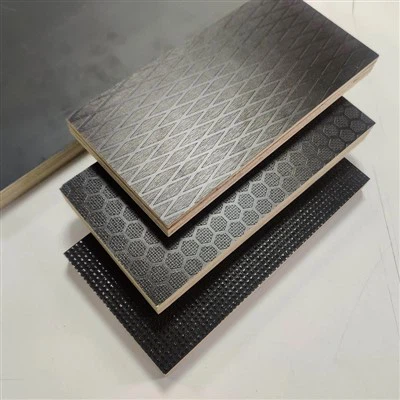
We offer a variety of film faced plywood products that are well - suited for high - humidity environments. For instance, our Antislip Film Faced Plywood is a great option. The antislip feature is not only useful for safety in wet conditions but also means that the film has an extra layer of protection. It can withstand the wear and tear of foot traffic and equipment movement in a high - humidity construction site.
Another product is our Finger Joint Core Film Faced Plywood. The finger - jointed core provides additional strength and stability. In high - humidity environments, where the plywood might be under more stress due to moisture - induced expansion and contraction, the strong core helps to keep the plywood flat and in good shape.
And then there's our CE Quality Phenolic Glue Textured Construction. The phenolic glue used in this product is known for its excellent water - resistance properties. It bonds the layers of the plywood together tightly, and the textured surface can provide better grip in wet conditions.
Potential Challenges
Of course, no material is perfect, and film faced plywood does have some potential challenges in high - humidity environments. One issue is that if the film gets damaged, the plywood underneath is more vulnerable to moisture. For example, if there's a deep scratch or a tear in the film, water can start to seep in. That's why it's important to handle the plywood carefully during installation and use.
Another challenge is that over time, the film might start to delaminate in extremely high - humidity conditions. This is more likely to happen if the plywood is exposed to constant, extreme moisture without proper ventilation. However, if you choose high - quality film faced plywood and follow the right installation and maintenance procedures, these issues can be minimized.
Maintenance Tips
To ensure that your film faced plywood performs well in high - humidity environments, there are a few maintenance tips you should follow. First, make sure to keep the plywood clean. Dirt and debris can trap moisture against the surface, increasing the risk of damage. You can use a mild detergent and water to clean the plywood regularly.
Second, check the film for any signs of damage. If you notice a scratch or a tear, you can use a suitable repair kit to patch it up. This will help to prevent water from getting into the plywood.
Finally, provide proper ventilation. In enclosed spaces, like basements, good ventilation can help to reduce the humidity levels around the plywood. This will extend the lifespan of the plywood and keep it in good condition.
Conclusion
So, in conclusion, film faced plywood can perform really well in high - humidity environments. Its water - resistance, durability, and the variety of products available make it a great choice for many construction and building projects. However, it's important to be aware of the potential challenges and take the necessary steps to maintain it.
If you're interested in our film faced plywood products and want to learn more about how they can work in your high - humidity project, don't hesitate to get in touch. We're here to help you find the right solution for your needs. Whether you're a contractor, a builder, or a DIY enthusiast, we've got the products and the expertise to support you.
References
- Building Materials Handbook: A Guide to Durable Construction in Humid Climates
- Plywood Manufacturing and Applications: Understanding the Properties of Film Faced Plywood