Can Film Faced Plywood Be Used for Roofing?
When it comes to roofing, selecting the right material is crucial for ensuring the durability, functionality, and aesthetic appeal of a building. Film faced plywood, a versatile and widely used building material, often comes into question regarding its suitability for roofing applications. As a supplier of film faced plywood, I am well - versed in its properties and applications and will explore whether it can be used for roofing in this blog.
What is Film Faced Plywood?
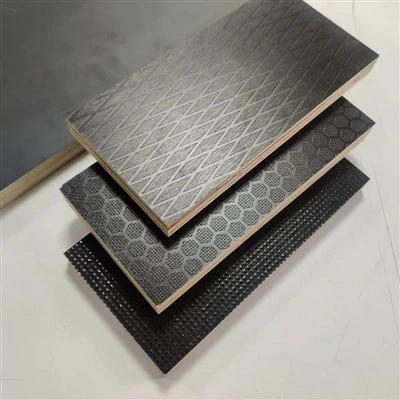
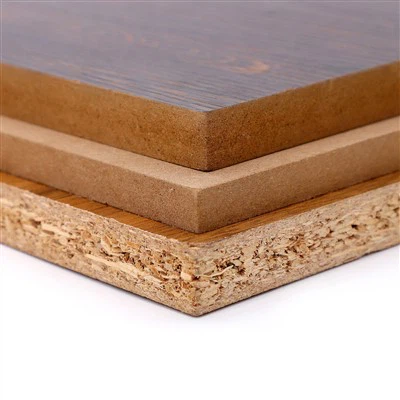
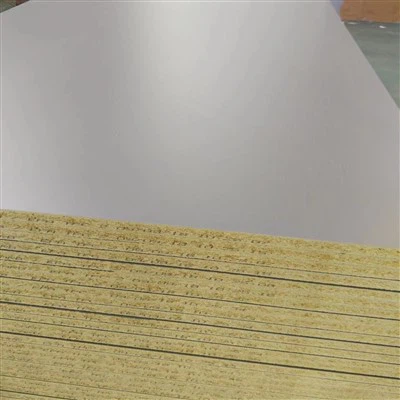
Film faced plywood is a type of plywood that has a special film on its surface. This film is typically made of materials such as phenolic resin, melamine resin, or other high - performance polymers. The film not only provides an extra layer of protection but also enhances the appearance of the plywood.
There are different types of film faced plywood available in the market. For example, Film - faced Birch Plywood is made from birch veneers, which are known for their strength and smooth texture. The film on this type of plywood can be customized according to different needs, providing features like high water resistance, abrasion resistance, and anti - slip properties. Another type is Finger Joint Core Film Faced Plywood for Manufacture, which uses finger - jointed cores, offering good stability and strength.
Advantages of Using Film Faced Plywood for Roofing
-
Strength and Durability
Film faced plywood is known for its high strength - to - weight ratio. The plywood core, usually made of multiple layers of wood veneers glued together at right angles, provides excellent structural strength. The film on the surface further enhances its durability by protecting the wood from moisture, UV rays, and physical damage. This makes it capable of withstanding the weight of snow, wind, and other environmental factors, which are common challenges for roofing materials. -
Water Resistance
One of the key features of film faced plywood is its water - resistant properties. The film acts as a barrier, preventing water from penetrating the wood. This is crucial for roofing, as exposure to rain, snow, and humidity can cause wood to rot, warp, or develop mold. With proper installation and sealing, film faced plywood can effectively keep water out, ensuring the long - term integrity of the roof. -
Cost - Effectiveness
Compared to some traditional roofing materials like slate or metal, film faced plywood is relatively more affordable. This makes it an attractive option for budget - conscious construction projects, especially for residential buildings. The lower cost does not necessarily mean lower quality, as film faced plywood can still provide reliable performance and long - term value. -
Easy Installation
Film faced plywood is relatively easy to cut, shape, and install. It can be quickly fastened to the roof structure using nails or screws, reducing the installation time and labor costs. This is beneficial for construction projects that are on a tight schedule, allowing for faster completion.
Challenges and Limitations
-
Fire Resistance
Although film faced plywood can have some fire - retardant treatments, it is generally not as fire - resistant as some specialized roofing materials such as fire - rated metal or tile. In areas with high fire risks, additional fire - protection measures may need to be taken if using film faced plywood for roofing. -
Long - Term UV Exposure
While the film provides some protection against UV rays, prolonged exposure to sunlight can gradually cause the film to degrade. This may lead to a loss of its protective properties and a change in the appearance of the plywood over time. Adequate maintenance and the use of protective coatings can help mitigate this issue. -
Structural Requirements
The thickness and strength of the film faced plywood need to be carefully selected based on the specific structural requirements of the roof. Insufficiently thick plywood may not be able to support the weight of the roofing materials or withstand the forces exerted by environmental factors, potentially leading to structural failure.
Considerations for Roofing Application
-
Climate and Environment
The climate and environmental conditions of the location where the building is situated play a significant role in determining the suitability of film faced plywood for roofing. In regions with high precipitation or high humidity, the superior water - resistant properties of film faced plywood are especially valuable. However, in areas with extreme temperature variations, considerations should be made regarding the expansion and contraction of the plywood. -
Roof Design and Structure
The design and structure of the roof also impact the use of film faced plywood. For example, for a flat roof, the plywood needs to provide a stable base for waterproofing membranes. In pitched roofs, it should be able to support the weight of roofing tiles or shingles. The spacing of the roof joists or rafters should also be appropriate to ensure the proper support of the plywood. -
Maintenance
Proper maintenance is essential for the long - term performance of film faced plywood roofs. Regular inspections for damage, such as cracks or peeling of the film, should be carried out. Repairs should be made promptly to prevent water infiltration and other issues. Additionally, Anti Slip Film Or Plastic Film can be used if there is a need for anti - slip properties, and the film should be maintained according to the manufacturer's instructions.

Conclusion
In conclusion, film faced plywood can indeed be used for roofing, offering a range of advantages such as strength, water resistance, cost - effectiveness, and easy installation. However, it also has its limitations, particularly in terms of fire resistance and long - term UV exposure. By carefully considering the climate, roof design, and maintenance requirements, film faced plywood can be a viable option for roofing applications.
As a film faced plywood supplier, we offer a wide variety of products to meet different roofing needs. Whether you are a contractor, builder, or a DIY enthusiast, our team is ready to assist you in selecting the most suitable film faced plywood for your roofing project. If you are interested in learning more about our products or would like to discuss a potential procurement, please feel free to reach out. We are eager to provide you with detailed information and support throughout the purchasing process.
References
- Building Materials Handbook: A Comprehensive Guide to Construction Materials.
- Plywood Manufacturing and Applications: Technical Insights.
- Roofing Design and Installation Best Practices.