What is the thermal insulation performance of WPC cladding?
Hey there! As a WPC cladding supplier, I get asked a lot about the thermal insulation performance of our products. Well, let's dive right in and explore this topic.
First things first, what exactly is WPC cladding? WPC stands for Wood - Plastic Composite. It's a hybrid material that combines the best of wood and plastic. You get the natural look and feel of wood, but with the added durability and low - maintenance qualities of plastic. This makes it a great choice for all sorts of applications, from exterior wall cladding to decking.
Now, onto the thermal insulation part. Thermal insulation is super important in building materials. Good insulation helps to keep your building warm in the winter and cool in the summer. It reduces energy consumption, which saves you money on heating and cooling bills in the long run. And let's not forget about the positive impact on the environment.
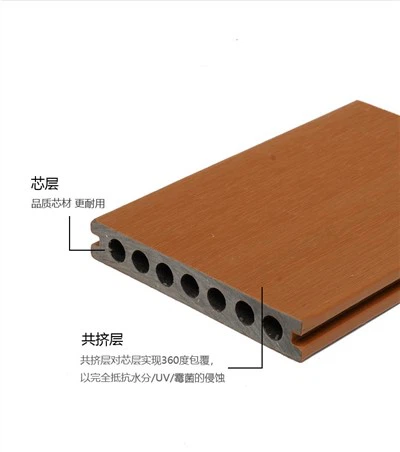
When it comes to the thermal insulation performance of WPC cladding, it's actually quite good. The unique composition of WPC has a role to play here. The combination of wood fibers and plastic creates a structure that can trap air. Air is a natural insulator. It doesn't conduct heat well, so when it's trapped within the WPC material, it acts as a barrier to heat transfer.
Compared to traditional wooden cladding, WPC cladding often has better thermal insulation properties. Wood is a relatively good insulator, but it can be affected by moisture. When wood absorbs moisture, its insulation value drops. WPC, on the other hand, is more resistant to moisture. This means it maintains its thermal insulation performance over time, even in damp or humid conditions.
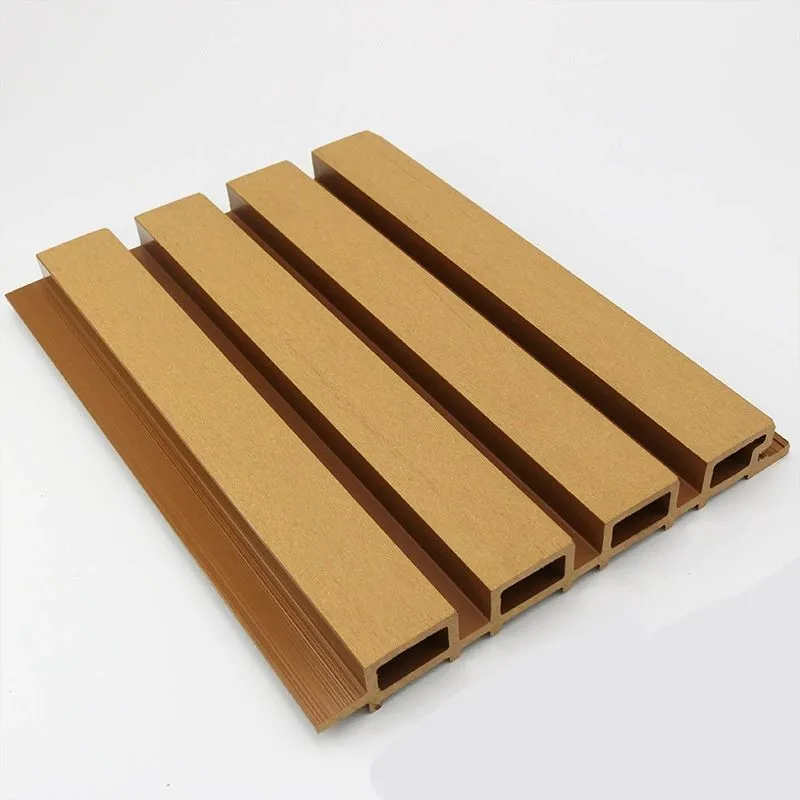

Another factor that affects the thermal insulation of WPC cladding is its thickness. Thicker panels generally offer better insulation. Our company offers a range of WPC cladding thicknesses to suit different needs. Whether you're looking for a thin panel for a quick and easy installation or a thicker one for enhanced insulation, we've got you covered.
There are also different types of WPC cladding that may have varying thermal insulation capabilities. For example, check out our Low Price WPC Cladding Wall Panel. It provides a cost - effective solution while still offering decent thermal insulation. And if you're interested in the first - generation products, we have the First Generation Wall Cladding. It has its own set of features, including thermal insulation performance that has been tried and tested. Then, there's our Secong Generation Embossed Wall Cladding. This newer version often has improved insulation due to advancements in manufacturing technology.
The installation of WPC cladding can also impact its thermal insulation performance. A proper installation ensures that there are no gaps or voids where heat can escape. We always recommend professional installation to make sure you get the most out of your WPC cladding's insulation capabilities.
In addition to the material and installation, the overall design of the building and the use of WPC cladding also matter. For instance, if you use WPC cladding on all the exterior walls of a building, it will have a greater impact on the overall thermal insulation of the structure compared to using it on just a few walls.
Let's talk about some real - world benefits. Imagine you have a home with WPC cladding. In the winter, the cladding helps to keep the warm air inside. You won't have to crank up the heater as high, which means lower energy bills. In the summer, it acts as a shield against the hot sun, reducing the amount of heat that enters your home. This can keep your air - conditioning costs down.
For commercial buildings, the thermal insulation of WPC cladding can also lead to significant savings. Businesses are always looking for ways to cut costs, and reducing energy consumption is a big part of that. Using WPC cladding can be a smart investment in the long - term efficiency of a commercial property.
If you're wondering how we test the thermal insulation performance of our WPC cladding, we use industry - standard testing methods. These tests measure the thermal conductivity of the material. A lower thermal conductivity means better insulation. We make sure that our products meet or exceed the relevant standards for thermal insulation.
So, if you're in the market for a building material that offers good thermal insulation, along with durability and an attractive appearance, WPC cladding is a great option. Whether you're a homeowner looking to renovate your house or a contractor working on a large - scale project, our WPC cladding can be the solution you need.
If you're interested in learning more about our WPC cladding products or have questions about their thermal insulation performance, don't hesitate to reach out. We're more than happy to discuss your specific needs and help you find the right product for your project. Let's talk and see how we can work together to make your building more energy - efficient with our high - quality WPC cladding.
References
- Building codes and standards related to thermal insulation of exterior cladding materials.
- Research studies on the properties of Wood - Plastic Composite materials.
- Industry reports on the performance of different types of building cladding.