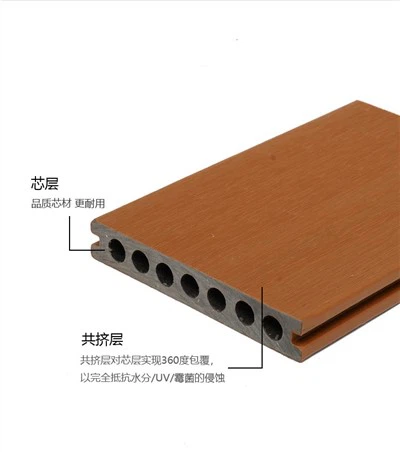
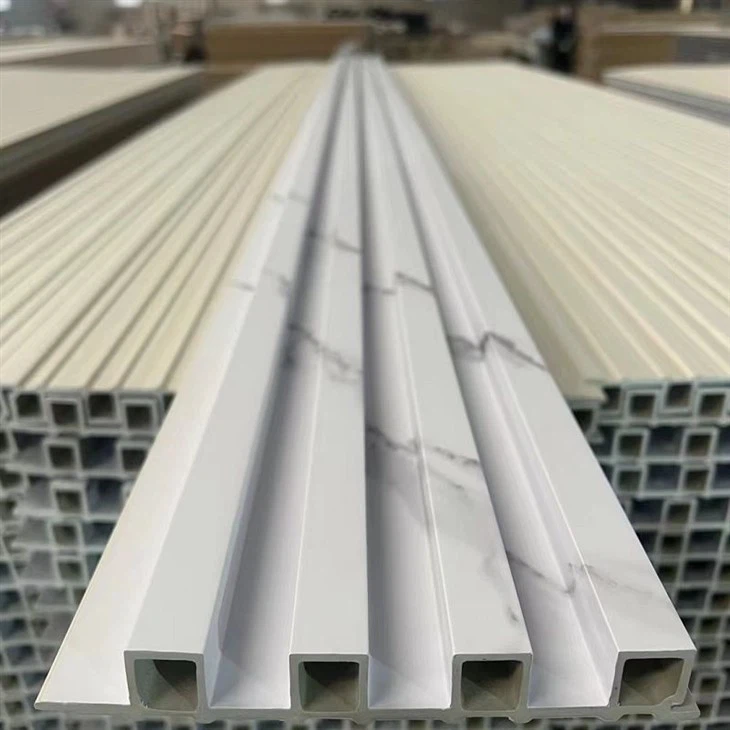
The weight of WPC (Wood - Plastic Composite) Timber Tubes is a crucial factor that often comes under scrutiny for various construction and design applications. As a supplier of WPC Timber Tubes, I have witnessed firsthand the significance of understanding this aspect for our clients.
Composition and Its Impact on Weight
WPC Timber Tubes are made by combining wood fibers or flour with thermoplastics. The ratio of these two primary components can significantly influence the weight of the tubes. Generally, wood is less dense than most plastics. So, if a higher proportion of wood is used in the composite, the resulting WPC Timber Tubes will be relatively lighter. Conversely, a higher plastic content will increase the weight.
The type of wood and plastic used also matters. Different woods have different densities. For example, softwoods like pine are less dense than hardwoods such as oak. Similarly, various thermoplastics, such as polyethylene (PE), polypropylene (PP), and polyvinyl chloride (PVC), have distinct densities. PE is relatively lightweight, while PVC is denser. When we manufacture our WPC Timber Tubes, we carefully select the wood - plastic combination to meet the specific weight requirements of our customers.
Dimensions and Weight
The dimensions of WPC Timber Tubes play a vital role in determining their weight. The length, diameter, and wall thickness are the key parameters. As with any tubular structure, the longer the tube, the more material is used, and thus, the heavier it will be. For example, a 6 - meter long WPC Timber Tube will weigh more than a 3 - meter long one of the same diameter and wall thickness.
The diameter of the tube also affects the weight. A larger - diameter tube requires more material to form its structure. If we compare two tubes with the same length and wall thickness, but one has a diameter of 100mm and the other 50mm, the 100mm tube will be heavier. The wall thickness is equally important. A thicker - walled tube will have more material between the inner and outer surfaces, leading to an increase in weight.
Weight in Different Applications
The weight of WPC Timber Tubes has a direct impact on their applications. In interior design, where lightweight materials are often preferred for ease of installation and to reduce the load on structures, our lighter - weight WPC Timber Tubes are a popular choice. They can be used for decorative purposes, such as creating partitions or adding a unique touch to wall designs. Our Wall Panel WPC products can be combined with these tubes to create a cohesive and stylish interior look.
In outdoor construction, the weight of the tubes may need to be balanced with their strength and durability. For example, when used as support structures in pergolas or decks, the tubes need to be heavy enough to withstand the forces exerted on them, such as wind and the weight of any attached elements. However, they also should not be so heavy that they become difficult to handle during installation.
Measuring and Controlling the Weight
At our manufacturing facility, we have precise methods for measuring the weight of WPC Timber Tubes. We use high - precision weighing scales to ensure that each tube meets the specified weight requirements. Before production, we conduct extensive testing to determine the optimal wood - plastic ratio, dimensions, and manufacturing process to achieve the desired weight.
During the production process, we closely monitor the weight of the tubes at various stages. If there are any deviations from the target weight, we can make adjustments to the manufacturing parameters. This strict quality control ensures that our customers receive WPC Timber Tubes with consistent weight and quality.
Comparison with Other Materials
When compared to traditional wooden tubes, WPC Timber Tubes often have a more consistent weight. Wood can vary in density depending on factors such as the tree's age, growth conditions, and moisture content. This variability can make it challenging to predict the exact weight of wooden tubes. In contrast, our WPC Timber Tubes are manufactured under controlled conditions, resulting in a more uniform weight.
Compared to metal tubes, WPC Timber Tubes are generally lighter. Metal tubes, such as steel or aluminum, have high densities, which can make them heavy and difficult to handle, especially in large - scale projects. The lighter weight of our WPC Timber Tubes makes them a more practical option in many applications, reducing transportation costs and installation time.
The Role of Weight in Acoustic Applications
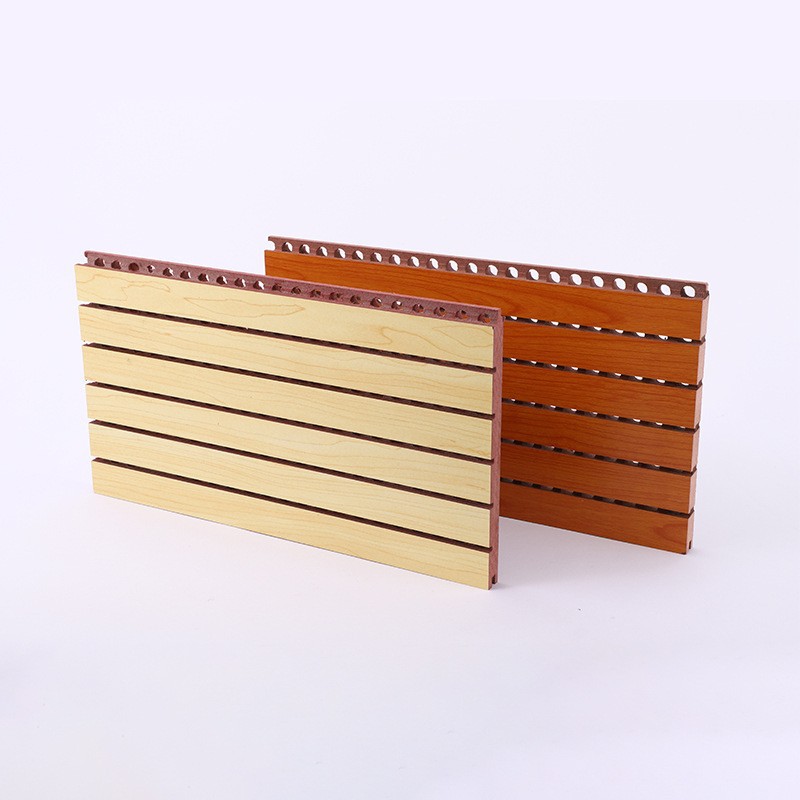
In acoustic applications, the weight of WPC Timber Tubes can also have an impact. Our Acoustic WPC Panel products are designed to absorb and reduce sound. The weight of the WPC Timber Tubes used in conjunction with these panels can affect the overall acoustic performance. A heavier tube may provide better sound insulation as it can help to dampen vibrations and reduce the transmission of sound waves. However, the design also needs to consider the balance between weight and other factors such as ease of installation and cost - effectiveness.
Conclusion
The weight of WPC Timber Tubes is a multi - faceted aspect that is influenced by composition, dimensions, and application requirements. As a supplier, we understand the importance of providing our customers with tubes that meet their specific weight needs. Whether it's for interior design, outdoor construction, or acoustic applications, our WPC Timber Tubes offer a combination of the right weight, strength, and durability.
If you are interested in our WPC Timber Tubes and would like to discuss your specific requirements, we invite you to contact us for a detailed consultation. Our team of experts is ready to assist you in finding the perfect solution for your project.
References
- "Wood - Plastic Composites: Materials, Processing, and Products" by Leszek A. Pizło and Pawel A. Członka
- "Handbook of Wood Chemistry and Wood Composites" edited by R. Rowell, J. Han, and X. Cai