As a seasoned MDF supplier, I often encounter inquiries about the lifespan of Medium Density Fiberboard (MDF). Understanding the factors that influence MDF's longevity is crucial for both consumers and industry professionals. In this blog, I'll delve into the various aspects that determine how long MDF can last and offer insights based on my years of experience in the field.
What is MDF?
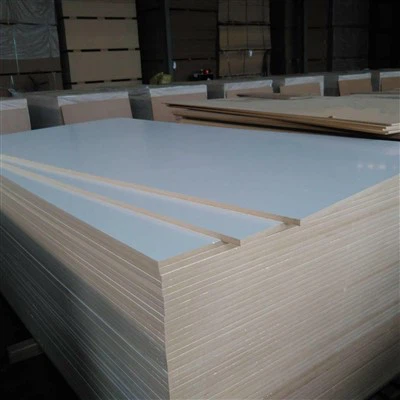
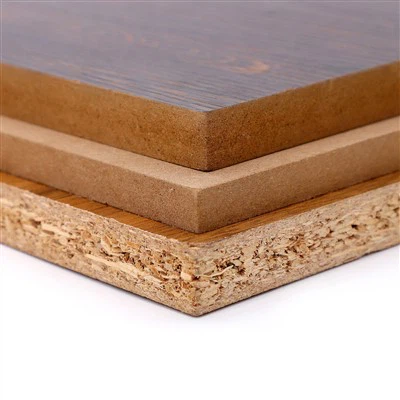
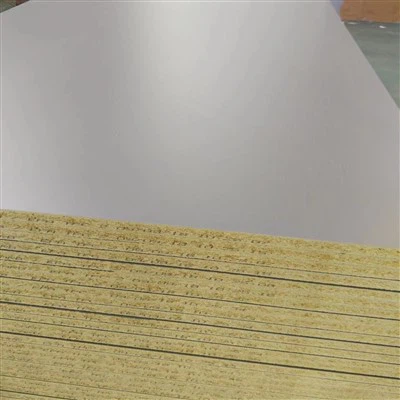
Before discussing its lifespan, let's briefly recap what MDF is. MDF is an engineered wood product made by breaking down hardwood or softwood residuals into wood fibers, often in a defibrator, combining it with wax and a resin binder, and forming panels by applying high temperature and pressure. It's known for its smooth surface, uniform density, and excellent machinability, making it a popular choice for a wide range of applications, from furniture manufacturing to interior decoration.
Factors Affecting the Lifespan of MDF
1. Environmental Conditions
One of the most significant factors influencing the lifespan of MDF is the environment in which it's used. MDF is sensitive to moisture, and prolonged exposure to high humidity or direct contact with water can cause it to swell, warp, and eventually deteriorate. In areas with high humidity, such as bathrooms or basements, MDF may not be the best choice unless it's properly sealed or treated. On the other hand, in dry and stable environments, MDF can last for many years without significant issues.
2. Quality of the MDF
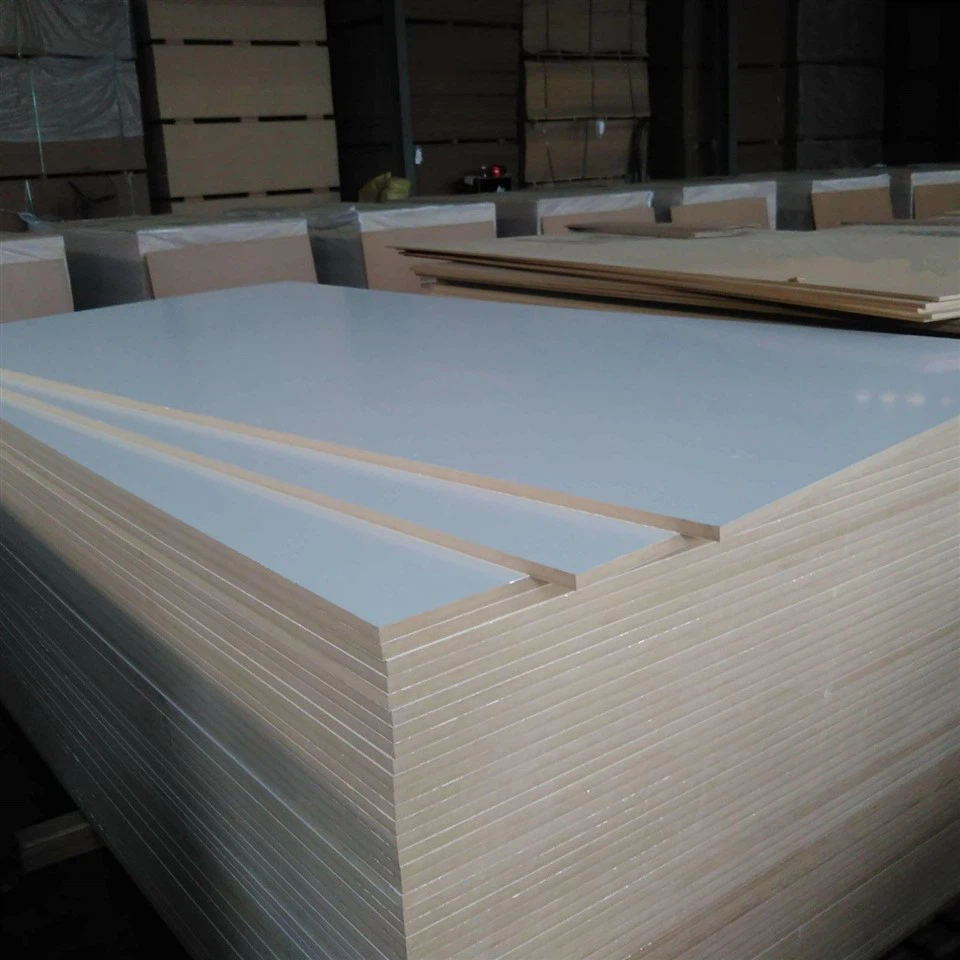
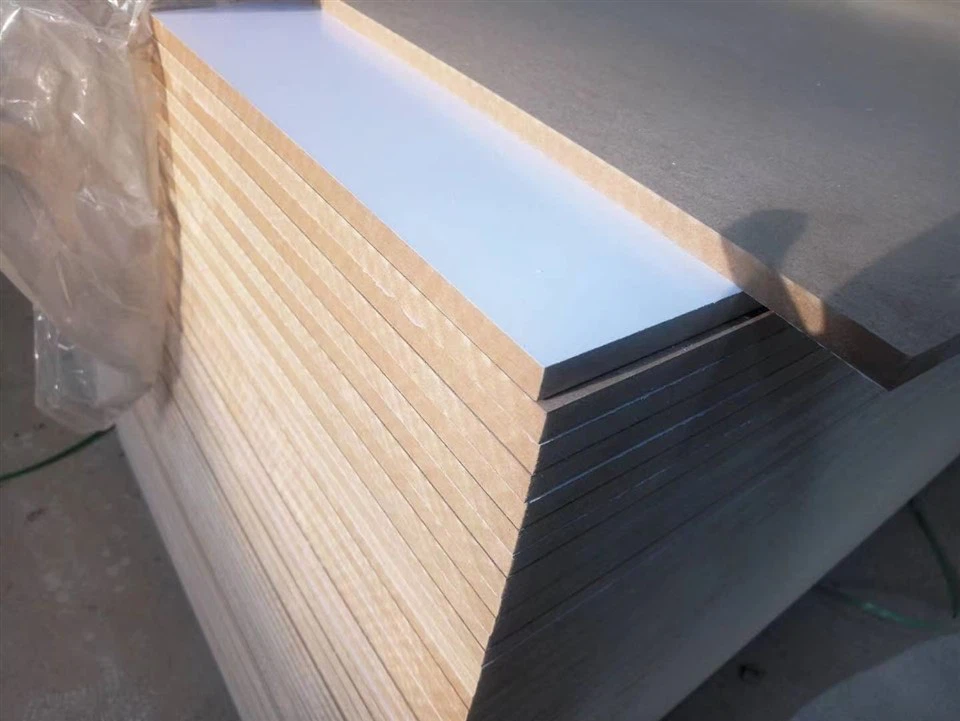
The quality of the MDF itself plays a crucial role in determining its lifespan. High-quality MDF is made from better raw materials and undergoes more rigorous manufacturing processes, resulting in a more durable product. Cheaper, lower-quality MDF may contain more impurities or have a less consistent density, making it more prone to damage and wear over time. When choosing MDF, it's important to select products from reputable manufacturers to ensure a longer lifespan.
3. Surface Treatment
The surface treatment of MDF can also have a significant impact on its lifespan. MDF can be finished with a variety of coatings, such as paint, veneer, or laminate, which can protect it from scratches, moisture, and other forms of damage. For example, Melamine MDF has a melamine resin coating that provides a hard, durable surface that is resistant to stains, scratches, and abrasion. Similarly, MDF Coated With High Gloss UV Lacquer offers excellent protection against moisture and UV rays, making it suitable for both indoor and outdoor applications.
4. Usage and Maintenance
How MDF is used and maintained also affects its lifespan. In high-traffic areas or applications where MDF is subject to heavy use, such as furniture in a commercial setting, it may experience more wear and tear than in a residential environment. Regular cleaning and proper maintenance can help extend the lifespan of MDF. For example, wiping up spills immediately, avoiding using abrasive cleaners, and periodically applying a protective coating can help keep MDF looking its best and prevent damage.
Typical Lifespan of MDF
The lifespan of MDF can vary widely depending on the factors mentioned above. In general, when used in a suitable environment and properly maintained, MDF can last anywhere from 10 to 20 years or more. For example, MDF furniture in a residential living room that is protected from moisture and excessive wear can last for 15 to 20 years. However, in a more demanding environment, such as a commercial kitchen or a high-traffic retail space, the lifespan of MDF may be shorter, typically around 5 to 10 years.
Extending the Lifespan of MDF
If you want to maximize the lifespan of MDF, there are several steps you can take:
- Choose the Right MDF: Select high-quality MDF from a reputable supplier. Look for products that are certified to meet industry standards and have a good reputation for durability.
- Proper Installation: Ensure that MDF is installed correctly to prevent stress and damage. Use appropriate fasteners and adhesives, and follow the manufacturer's installation instructions.
- Seal and Protect: Apply a suitable sealant or coating to protect MDF from moisture, scratches, and other forms of damage. This can significantly extend its lifespan, especially in areas where it's exposed to harsh conditions.
- Regular Maintenance: Clean MDF regularly using a mild detergent and a soft cloth. Avoid using abrasive cleaners or tools that can scratch the surface. Periodically inspect MDF for signs of damage and address any issues promptly.
Conclusion
In conclusion, the lifespan of MDF is influenced by a variety of factors, including environmental conditions, quality, surface treatment, usage, and maintenance. By understanding these factors and taking appropriate measures to protect and maintain MDF, you can ensure that it lasts for many years. As a MDF supplier, I'm committed to providing high-quality products and expert advice to help you make the most of your MDF investments. If you're interested in purchasing MDF for your next project, I encourage you to explore our range of products and contact us to discuss your specific needs. We're here to assist you every step of the way.
References
- "Medium Density Fiberboard (MDF): Properties, Applications, and Sustainability." Wood Handbook: Wood as an Engineering Material. USDA Forest Service, Forest Products Laboratory.
- "The Durability of Engineered Wood Products." Journal of Wood Science.