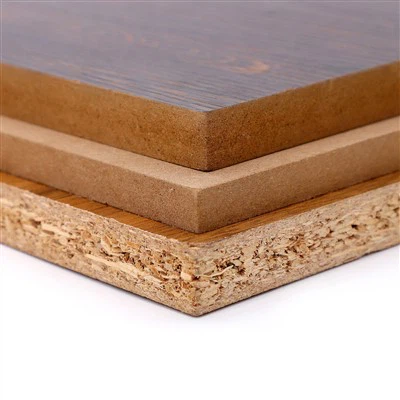
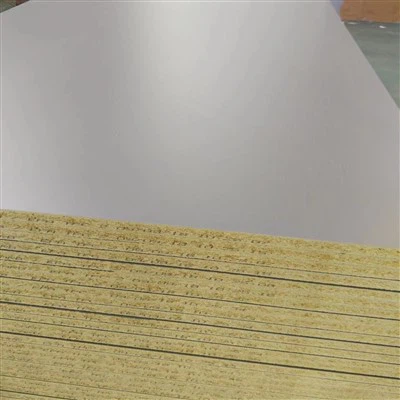
Hey there! As a supplier of plain foam boards, I often get asked about their insulation value. It's a crucial question, especially for those looking to use these boards in various applications, from construction to DIY projects. So, let's dive right in and explore what makes plain foam boards a great choice for insulation.
Understanding Insulation Basics
Before we get into the nitty - gritty of plain foam board insulation, let's quickly go over what insulation is all about. Insulation is like a barrier that slows down the transfer of heat. In simple terms, it keeps the warm air inside during winter and the cool air inside during summer. This not only makes your living or working spaces more comfortable but also helps you save on energy bills.
The insulation value of a material is measured by its R - value. The higher the R - value, the better the material is at resisting heat flow. For example, if you have a wall with a high R - value insulation, less heat will escape through it in the winter, and less heat will enter in the summer.


What's in a Plain Foam Board?
Plain foam boards are made from different types of polymers, like polystyrene, polyurethane, or polyvinyl chloride (PVC). Each type has its own set of properties that affect its insulation value.
- Polystyrene Foam Boards: These are quite common. There are two main types - expanded polystyrene (EPS) and extruded polystyrene (XPS). EPS is made up of small beads that are fused together. It has a decent R - value, usually around R - 3.6 to R - 4.2 per inch of thickness. XPS, on the other hand, is more dense and has a higher R - value, typically between R - 5 and R - 5.5 per inch. XPS is also more resistant to moisture, which makes it a great choice for below - grade applications, like basement insulation.
- Polyurethane Foam Boards: Polyurethane foam boards have a very high R - value, often ranging from R - 6 to R - 7 per inch. They are made by reacting two chemicals, which form a foam that can be molded into boards. These boards are very effective at insulation, but they can be a bit more expensive than other types.
- PVC Foam Boards: PVC foam boards are lightweight and have good insulation properties. They are also durable and resistant to moisture and chemicals. The R - value of PVC foam boards can vary depending on their density and thickness, but generally, they offer a decent level of insulation. If you're interested in our Hot Selling PVC Sheet PVC Foam Board, it combines good insulation with other useful features.
Factors Affecting the Insulation Value of Plain Foam Boards
The insulation value of plain foam boards isn't just determined by the material they're made of. There are a few other factors that come into play:
- Thickness: This is a no - brainer. The thicker the foam board, the higher its R - value. For example, a 2 - inch thick XPS board will have a much higher R - value than a 1 - inch thick one. So, if you need better insulation, you might want to go for a thicker board.
- Density: Generally, denser foam boards have higher R - values. A denser board has less air space between its molecules, which means there's less room for heat to move through. However, denser boards can also be more expensive and heavier.
- Installation: How the foam board is installed can also affect its insulation performance. If there are gaps or joints between the boards, heat can leak through. It's important to seal these gaps properly with tape or caulk to ensure maximum insulation.
Applications of Plain Foam Boards for Insulation
Plain foam boards are used in a wide range of applications because of their insulation properties:
- Building Construction: In walls, roofs, and floors, foam boards can significantly improve the energy efficiency of a building. For example, installing foam board insulation in an attic can prevent heat from escaping through the roof, which can lead to big savings on heating costs. Our Waterproof Fire - Retardant PVC Foam Board is a great choice for building construction, as it offers both insulation and safety features.
- Refrigeration Units: Foam boards are used to insulate refrigerators, freezers, and cold storage rooms. They help keep the cold air inside and the warm air outside, which is essential for maintaining the proper temperature.
- DIY Projects: If you're into DIY, you can use foam boards to insulate a shed, a greenhouse, or even a small room in your house. It's a cost - effective way to make these spaces more comfortable.
Comparing Plain Foam Boards with Other Insulation Materials
When it comes to insulation, there are other materials available, like fiberglass, cellulose, and mineral wool. So, how do plain foam boards stack up against them?
- Fiberglass: Fiberglass insulation is made of tiny glass fibers. It's relatively inexpensive and easy to install. However, it can be itchy to handle, and its R - value can be affected by moisture. Plain foam boards, especially XPS and PVC, are more resistant to moisture and can maintain their insulation performance better.
- Cellulose: Cellulose insulation is made from recycled paper. It's an eco - friendly option, but it can settle over time, which reduces its insulation effectiveness. Foam boards don't have this problem and can maintain their shape and R - value for a long time.
- Mineral Wool: Mineral wool is made from rock or slag. It has good fire - resistant properties, but it can be heavy and more difficult to install. Foam boards are lightweight and easier to cut and fit into different spaces.
Why Choose Our Plain Foam Boards?
As a supplier, we take pride in offering high - quality plain foam boards. Here are a few reasons why you should consider buying from us:
- Quality Assurance: We source our materials from reliable suppliers and have strict quality control measures in place. This ensures that our foam boards meet the highest standards of insulation performance.
- Variety of Options: We offer a wide range of foam boards, including different types, thicknesses, and densities. Whether you need a high - R - value board for a commercial building or a more affordable option for a DIY project, we've got you covered. Check out our Factory Wholesale Pvc Foam Boards 3mm 5mm for some great options.
- Competitive Pricing: We understand that cost is an important factor. That's why we strive to offer our foam boards at competitive prices without compromising on quality.
Conclusion
In conclusion, plain foam boards are a great choice for insulation. They offer a good balance of insulation value, durability, and affordability. Whether you're a builder, a contractor, or a DIY enthusiast, our plain foam boards can help you achieve better energy efficiency in your projects.
If you're interested in learning more about our plain foam boards or would like to discuss your specific insulation needs, don't hesitate to reach out. We're here to help you make the right choice for your project. Let's work together to create more energy - efficient and comfortable spaces!
References
- "Building Science Basics: Insulation". Building Science Corporation.
- "Foam Insulation". U.S. Department of Energy.
- "Insulation Materials Comparison". Home Improvement Research Institute.