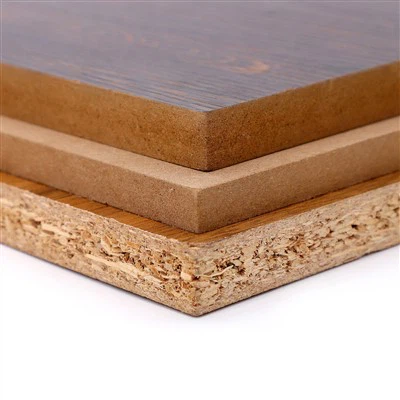
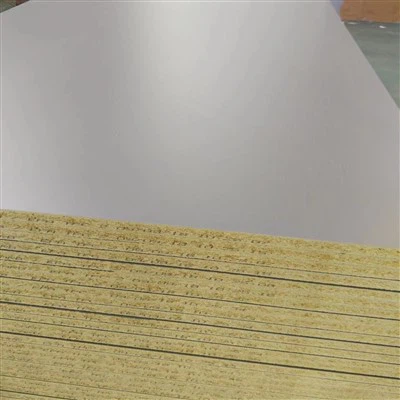
As a Wall Panel WPC supplier, I've had the privilege of witnessing firsthand the growing popularity of this remarkable building material. One of the most frequently asked questions by our clients is about the impact resistance of Wall Panel WPC. In this blog post, I'll delve into the details of what impact resistance means for Wall Panel WPC, how it's measured, and why it matters in various applications.
Understanding Impact Resistance
Impact resistance refers to a material's ability to withstand sudden forces or blows without cracking, breaking, or deforming permanently. In the context of Wall Panel WPC, this characteristic is crucial as it directly affects the durability and longevity of the panels. Whether it's in a high - traffic commercial setting or a busy household, Wall Panel WPC needs to be able to endure accidental impacts from everyday activities.
Wood Plastic Composite (WPC) is a blend of wood fibers and thermoplastics, which gives it unique properties. The combination of these two materials results in a panel that is more resistant to impact compared to traditional wood panels. The plastic component in WPC acts as a shock absorber, distributing the force of an impact over a larger area and reducing the likelihood of damage.
Measuring Impact Resistance
There are several standard tests used to measure the impact resistance of building materials, including Wall Panel WPC. One of the most common tests is the Charpy impact test. In this test, a notched sample of the material is struck by a pendulum, and the energy absorbed during the fracture is measured. A higher energy absorption value indicates better impact resistance.


Another test is the drop - weight test. In this test, a weighted object is dropped from a specific height onto the panel, and the panel's ability to withstand the impact without significant damage is evaluated. These tests provide objective data that can be used to compare the impact resistance of different Wall Panel WPC products.
Factors Affecting Impact Resistance
Several factors can influence the impact resistance of Wall Panel WPC.
Composition
The ratio of wood fibers to plastic in the WPC mixture plays a significant role. A higher proportion of plastic generally results in better impact resistance, as the plastic provides more flexibility and shock - absorbing capabilities. However, too much plastic can also reduce the panel's stiffness and other desirable properties.
Manufacturing Process
The way the Wall Panel WPC is manufactured can also affect its impact resistance. For example, proper extrusion and molding processes ensure that the wood fibers and plastic are well - mixed and evenly distributed throughout the panel. This uniformity is essential for consistent impact resistance across the entire panel.
Panel Thickness
Thicker Wall Panel WPC generally has better impact resistance than thinner panels. A thicker panel can absorb more energy from an impact without breaking or deforming. However, thicker panels may also be more expensive and heavier, which can affect installation and transportation costs.
Applications and the Importance of Impact Resistance
Residential Use
In homes, Wall Panel WPC is often used in living rooms, bedrooms, and kitchens. In these areas, there is a risk of accidental impacts from furniture moving, children playing, or pets. High - impact - resistant Wall Panel WPC ensures that the walls remain in good condition over time, reducing the need for frequent repairs and replacements. For example, in a family room where there is a lot of activity, a Wall Panel WPC with excellent impact resistance can withstand the bumps and knocks from daily use.
Commercial Use
In commercial settings such as offices, restaurants, and retail stores, Wall Panel WPC is used to enhance the aesthetic appeal of the space. At the same time, these areas experience high foot traffic, which increases the risk of impacts. In a busy restaurant, for instance, waitstaff moving tables and chairs can accidentally hit the walls. Impact - resistant Wall Panel WPC can maintain its appearance and structural integrity, even in such demanding environments.
Public Buildings
In public buildings like schools, hospitals, and airports, impact resistance is of utmost importance. These buildings are constantly occupied by large numbers of people, and there is a higher probability of accidental impacts. Wall Panel WPC with good impact resistance can withstand the wear and tear of public use, ensuring the safety and functionality of the building.
Our Wall Panel WPC Products and Impact Resistance
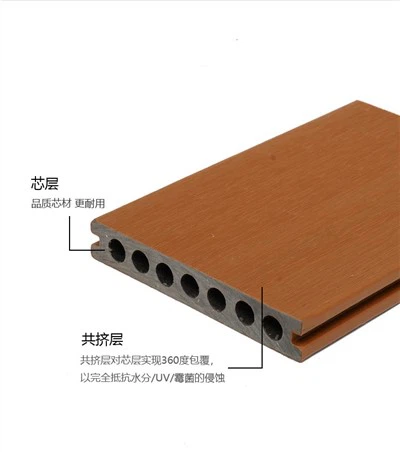
At our company, we take pride in offering Wall Panel WPC products with excellent impact resistance. Our Wood Plastic Composite Wall Panel Wpc Cladding Waterproof Wood Panel Boards are designed to meet the highest standards of quality and durability. Through careful selection of raw materials and advanced manufacturing processes, we ensure that our panels can withstand a wide range of impacts.
Our Moulding and Skirting products also feature high impact resistance. These components are often the first to be hit during normal use, and their ability to resist damage is crucial for the overall appearance and longevity of the wall installation.
Our Decorative Wood WPC Wall Panel combines aesthetic appeal with excellent impact resistance. Whether you're looking to create a modern, stylish look or a more traditional design, our panels can withstand the rigors of everyday life while maintaining their beauty.
Conclusion
The impact resistance of Wall Panel WPC is a critical factor that determines its suitability for various applications. Our products are engineered to provide superior impact resistance, ensuring that they can withstand the challenges of both residential and commercial use. If you're in the market for high - quality Wall Panel WPC, we invite you to contact us to discuss your specific needs and explore our product range. Our team of experts is ready to assist you in finding the perfect solution for your project.
References
- ASTM International. (20XX). Standard test methods for impact resistance of building materials.
- European Committee for Standardization. (20XX). EN standards for testing the mechanical properties of building materials.