What is the heat insulation performance of pvc foam board?
As a PVC foam board supplier, I've witnessed firsthand the growing demand for this versatile material in various industries. One of the most frequently asked questions about PVC foam boards is their heat insulation performance. In this blog post, I'll delve into the factors that affect the heat insulation of PVC foam boards, compare them with other materials, and discuss their applications based on their thermal properties.
Understanding the Basics of Heat Insulation
Before we explore the heat insulation performance of PVC foam boards, it's essential to understand the basic principles of heat transfer. Heat can be transferred through three main mechanisms: conduction, convection, and radiation. Conduction is the transfer of heat through a solid material, convection involves the movement of heat through a fluid (such as air or water), and radiation is the transfer of heat through electromagnetic waves.
The effectiveness of a material as an insulator is measured by its thermal conductivity, which is the rate at which heat passes through a unit area of the material under a temperature gradient. A lower thermal conductivity indicates better heat insulation properties.
Factors Affecting the Heat Insulation of PVC Foam Boards
Several factors contribute to the heat insulation performance of PVC foam boards:
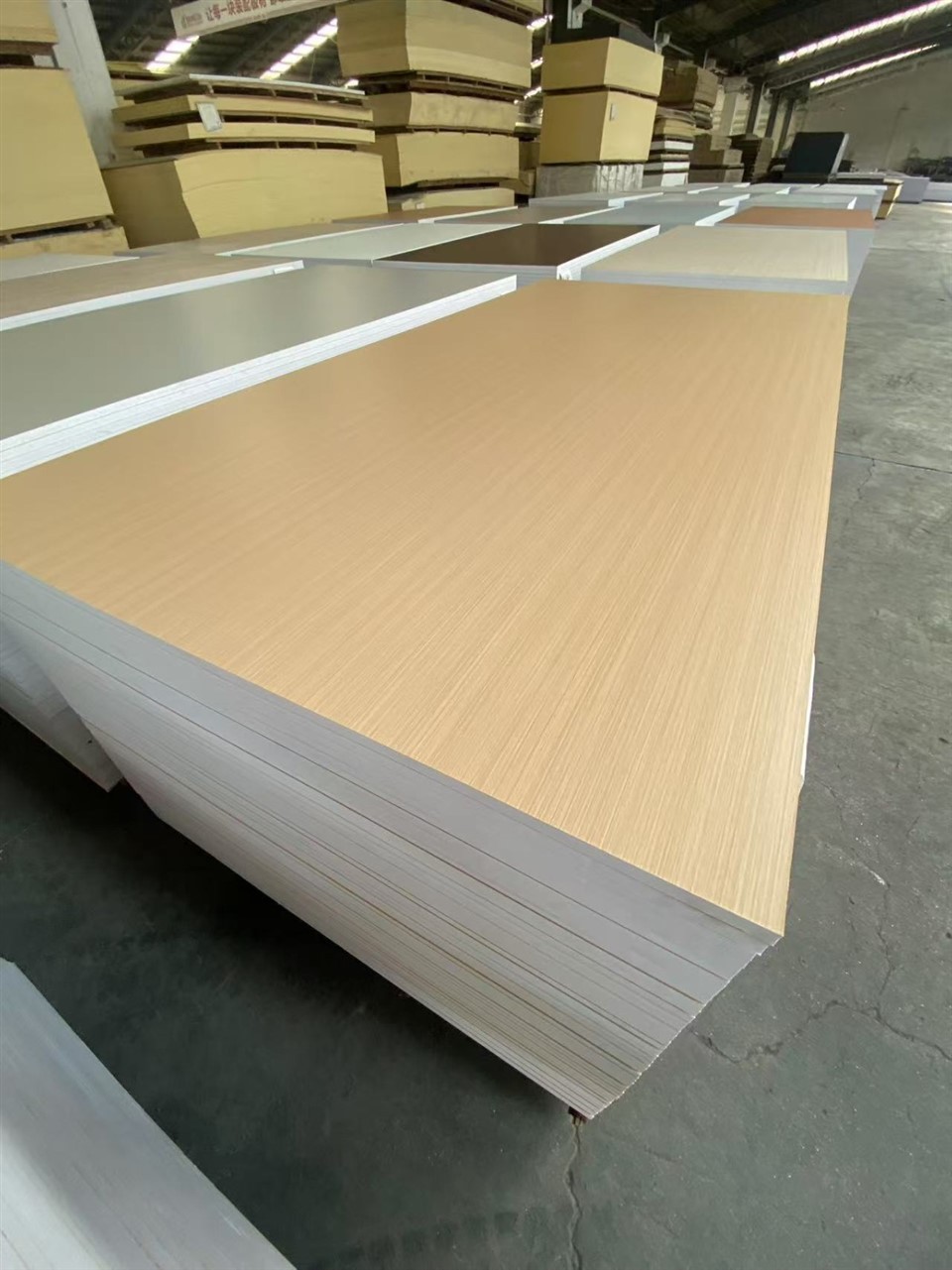

- Cell Structure: PVC foam boards have a closed-cell structure, which means that the cells within the foam are isolated from each other. This structure reduces the movement of air within the board, minimizing heat transfer by convection. The smaller and more numerous the cells, the better the heat insulation.
- Density: The density of a PVC foam board also affects its thermal conductivity. Generally, lower-density foams have better heat insulation properties because they contain more air, which is a poor conductor of heat. However, extremely low-density foams may have reduced mechanical strength.
- Thickness: Thicker PVC foam boards provide better heat insulation than thinner ones. As the thickness increases, the heat has to travel a longer distance through the material, which slows down the rate of heat transfer.
- Additives: Some PVC foam boards may contain additives that enhance their heat insulation properties. For example, certain types of fillers can reduce the thermal conductivity of the foam.
Comparing PVC Foam Boards with Other Insulating Materials
To better understand the heat insulation performance of PVC foam boards, let's compare them with other common insulating materials:
- Polystyrene Foam: Polystyrene foam is a widely used insulating material known for its excellent thermal properties. It has a lower thermal conductivity than PVC foam board, making it a better insulator. However, PVC foam boards are more durable and have better chemical resistance than polystyrene foam.
- Fiberglass Insulation: Fiberglass insulation is another popular choice for thermal insulation. It has a relatively low thermal conductivity and is fire-resistant. However, it can be itchy and difficult to install, whereas PVC foam boards are easy to cut, shape, and install.
- Mineral Wool: Mineral wool is a good insulator that can withstand high temperatures. It has a similar thermal conductivity to PVC foam board but is heavier and more rigid. PVC foam boards are lightweight and flexible, making them suitable for a wider range of applications.
Applications of PVC Foam Boards Based on Heat Insulation
Due to their moderate heat insulation properties, PVC foam boards are used in various applications where thermal insulation is required:
- Building Construction: PVC foam boards can be used as insulation panels in walls, roofs, and floors. They help to reduce heat transfer, keeping buildings cooler in the summer and warmer in the winter. 3mm Cheap Price Forex PVC Foam Sintra Board is a popular choice for interior wall insulation due to its affordability and ease of installation.
- Refrigeration Units: PVC foam boards are used in the construction of refrigeration units to prevent heat from entering the cold storage area. Their closed-cell structure helps to maintain a stable temperature inside the unit.
- Transportation: In the automotive and aerospace industries, PVC foam boards can be used as insulation materials to reduce heat transfer in vehicles and aircraft. They also help to dampen noise and vibration.
- Signage and Display: While not primarily used for heat insulation, the insulation properties of PVC foam boards can be beneficial in outdoor signage and display applications. They can help to protect the contents of the sign from extreme temperatures.
Quality Assurance and Testing
As a PVC foam board supplier, we are committed to providing high-quality products with consistent heat insulation performance. We conduct rigorous quality control tests on our PVC foam boards to ensure that they meet industry standards. These tests include measuring the thermal conductivity, density, and thickness of the boards.
Our Factory Wholesale Pvc Foam Boards are manufactured using advanced technology and high-quality raw materials to ensure optimal heat insulation properties. We also offer High Quality Waterproof PVC Extrusion Foam Board, which is designed to provide reliable insulation even in wet or humid environments.
Conclusion
In conclusion, PVC foam boards offer moderate heat insulation performance due to their closed-cell structure, low density, and other factors. While they may not be the best insulators on the market, they have several advantages such as durability, chemical resistance, and ease of installation. They are suitable for a wide range of applications where thermal insulation is required, including building construction, refrigeration, transportation, and signage.
If you are interested in purchasing PVC foam boards for your insulation needs, please don't hesitate to contact us. We are happy to discuss your requirements and provide you with the best solutions.
References
- "Handbook of Plastic Foams" by Harvey E. Bair
- "Thermal Insulation Materials and Systems" by R. K. Shah
- "Insulation Materials: Properties and Performance" by J. F. Knudsen