In the world of wood - based panel products, Melamine Chipboard and plywood are two widely recognized materials, each with its own unique characteristics and applications. As a dedicated Melamine Chipboard supplier, I have in - depth knowledge of these materials and am eager to share the key differences between them.
Composition and Manufacturing Process
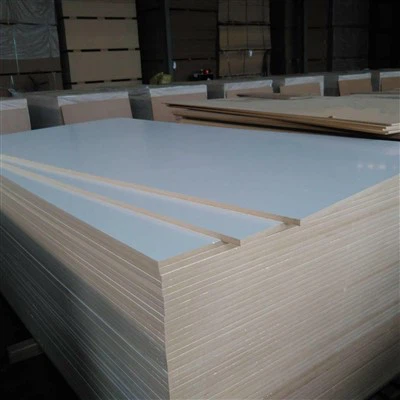
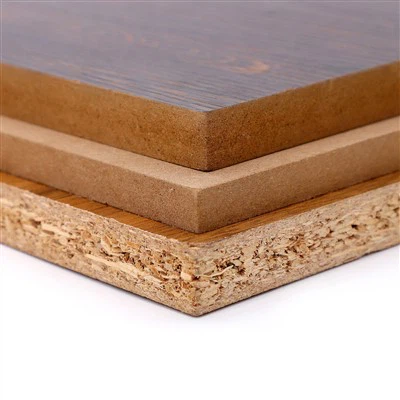
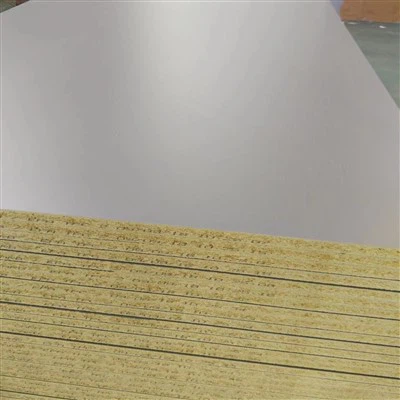
Melamine Chipboard, often produced from wood chips, sawdust, and other wood residues. These small wood particles are bound together using synthetic resin adhesives under high pressure and temperature. The process first involves collecting and sorting the wood chips, ensuring they are of an appropriate size. Then, the chips are mixed with the adhesive and pressed into large panels. Afterward, a melamine resin layer is often applied to the surface. This layer provides a smooth, durable, and decorative finish and comes in a wide range of colors and patterns. For example, our White Laminated Particle Board Melamine Chipboard for Furniture is made through this meticulous process, offering an elegant and practical solution for furniture making.
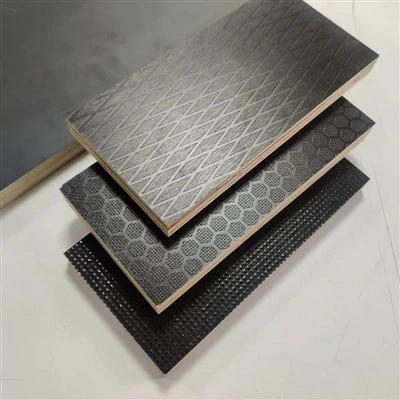
On the other hand, plywood is constructed by gluing together multiple thin layers of wood veneers, with the grain of each layer oriented perpendicular to the adjacent ones. This cross - grained structure gives plywood its remarkable strength and stability. The veneers are typically cut from high - quality logs using a rotary cutting or slicing method. After cutting, the veneers are dried, sorted, and glued together, again under high pressure and temperature. The number of layers in plywood can vary, commonly ranging from three to more than ten, depending on the application and desired strength.
Physical Properties
Strength and Durability
Plywood generally has superior strength and durability compared to Melamine Chipboard. The cross - laminated structure of plywood distributes stress evenly across the panel, making it more resistant to warping, cracking, and bending. It can withstand heavy loads and is ideal for applications where structural integrity is crucial, such as in construction for sub - floors, roof sheathing, and wall panels.
Melamine Chipboard, while not as strong as plywood in terms of structural support, has sufficient strength for many interior applications. It is commonly used in furniture manufacturing, cabinetry, and shelving, where the load - bearing requirements are relatively lower. However, the melamine surface layer of Melamine Chipboard provides excellent scratch and wear resistance, protecting the board from daily use and making it suitable for high - traffic areas. Our Chipboard Particle Board for Kitchen Cabinets is a prime example, offering long - lasting performance in kitchen environments.
Moisture Resistance
Moisture resistance is another significant difference between the two materials. Plywood has better inherent moisture resistance due to its cross - grained structure and the use of waterproof adhesives in some types. Marine - grade plywood, for instance, is designed to withstand exposure to water and is commonly used in boat building and other wet environments.
In contrast, Melamine Chipboard is more vulnerable to moisture. The wood chips in the board can absorb water, causing the board to swell and lose its structural integrity. However, with the development of technology, moisture - resistant Melamine Chipboard is available. Our Moisture Resistant Chipboard is treated with special chemicals during the manufacturing process to improve its resistance to moisture, making it suitable for use in areas with moderate humidity, such as bathrooms and kitchens.
Appearance
Melamine Chipboard shines in terms of appearance. The melamine coating offers a vast selection of colors, patterns, and textures, mimicking the look of natural wood, stone, or other materials. This provides designers and manufacturers with great flexibility in creating aesthetically pleasing products. Whether it is a modern - style furniture with a sleek white finish or a rustic - looking cabinet with a wood - grain appearance, Melamine Chipboard can meet the demands.
Plywood, on the other hand, often has a more natural and rustic appearance. The exposed wood grain on the surface of plywood gives it a unique and warm look, which is popular in some architectural and interior design projects. However, the limited color and pattern options compared to Melamine Chipboard may restrict its use in some applications where a specific visual effect is required.
Cost
Cost is an important factor for many buyers. Generally, Melamine Chipboard is more cost - effective than plywood. The raw materials for Melamine Chipboard, such as wood chips and sawdust, are more abundant and less expensive than the high - quality logs used for plywood. Additionally, the manufacturing process of Melamine Chipboard is relatively simpler and less labor - intensive, resulting in lower production costs.
Plywood, especially high - quality plywood with multiple layers and special features like moisture resistance or fire retardancy, can be more expensive. The cost of sourcing the raw materials, the complexity of the manufacturing process, and the high demand for its superior performance all contribute to its higher price.
Applications
Furniture Manufacturing
Both Melamine Chipboard and plywood are widely used in furniture manufacturing. Melamine Chipboard is a popular choice for mass - produced furniture due to its cost - effectiveness and diverse appearance options. It is commonly used for making wardrobes, bookshelves, office desks, and dining tables. The smooth and decorative melamine surface eliminates the need for additional finishing, saving time and cost in the manufacturing process.
Plywood, with its strength and durability, is often used for the structural components of furniture, such as the frames of sofas and the support panels of beds. It can also be used for high - end, custom - made furniture, where its natural appearance and superior quality are highly valued.


Construction
In construction, plywood plays a vital role as a structural material. It is used in the building of floors, roofs, and walls, providing the necessary strength and stability for the entire structure. Plywood is also used in formwork for concrete pouring, where its smooth surface and ability to withstand pressure are essential.
Melamine Chipboard is mainly used for interior construction applications, such as the installation of built - in cabinets, partitions, and decorative wall panels. Its decorative surface can enhance the aesthetic appeal of the interior space while providing functional storage or separation.
In conclusion, Melamine Chipboard and plywood have their own advantages and disadvantages, and the choice between them depends on specific project requirements, budget, and aesthetic preferences. As a Melamine Chipboard supplier, I am confident in the quality and performance of our products. If you are considering using Melamine Chipboard in your next project, whether it is for furniture manufacturing or interior construction, I invite you to reach out for a detailed discussion. We can offer personalized solutions to meet your needs and ensure the success of your project.
References
- Wood - Based Panels: Production, Properties and Uses. Edited by J. V. W. Jones.
- Handbook of Wood Chemistry and Wood Composites. Edited by R. Rowell.