As a seasoned supplier of commercial plywood, I've witnessed firsthand the diverse needs and preferences of our clients. One of the most frequently asked questions I encounter is about the difference between domestic and imported commercial plywood. In this blog, I'll delve into the key aspects that set these two types of plywood apart, helping you make an informed decision for your next project.
Raw Materials and Sourcing
The choice of raw materials is a fundamental factor that differentiates domestic and imported commercial plywood. Domestic plywood is typically sourced from local forests, which means the wood species used are native to the country. For example, in the United States, common wood species for domestic plywood include Douglas fir, southern yellow pine, and oak. These native woods are well - adapted to the local climate, and their use supports the local forestry industry.
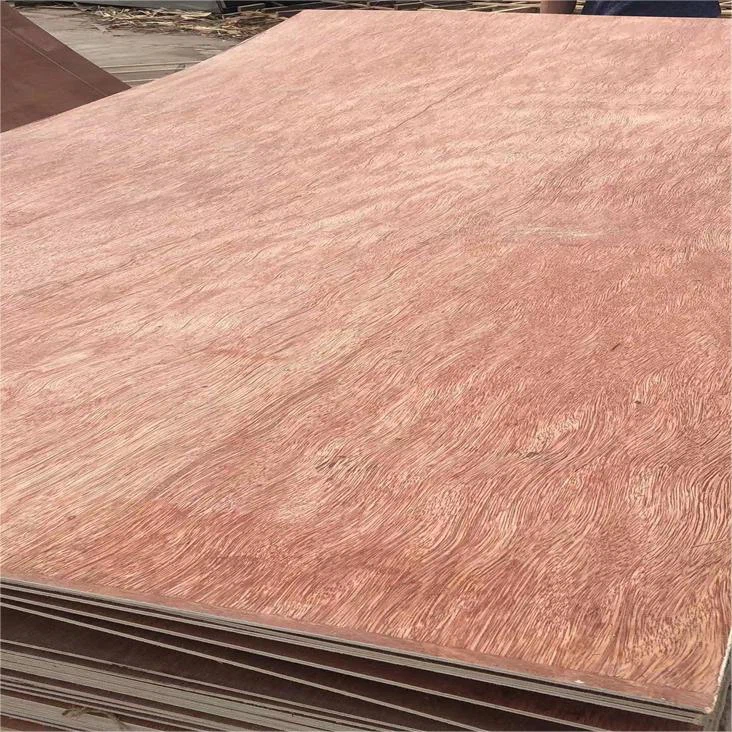
On the other hand, imported commercial plywood often uses a wider variety of wood species that may not be available domestically. For instance, plywood from Southeast Asia might feature tropical hardwoods like Bingtangor. The Bingtangor Faced Plywood offers unique aesthetic and mechanical properties due to the characteristics of the Bingtangor wood. Tropical woods can provide different colors, grain patterns, and densities, which can be highly desirable for certain applications.
Manufacturing Standards and Regulations
Domestic commercial plywood is subject to the manufacturing standards and regulations of its country of origin. In the United States, plywood must meet the standards set by the American National Standards Institute (ANSI). These standards cover aspects such as panel dimensions, thickness tolerances, adhesive quality, and formaldehyde emissions. For example, the ANSI/HPVA HP - 1 standard defines the requirements for hardwood and decorative plywood.
Imported plywood also has to comply with the regulations of the importing country, but it is initially manufactured according to the standards of its home country. Some countries may have less stringent or different standards compared to the United States. This means that when importing plywood, it's crucial to ensure that it meets the local requirements. For example, formaldehyde emissions are a major concern, and imported plywood must meet the low - emission standards set by agencies like the California Air Resources Board (CARB) if it is to be sold in California.
Quality and Performance
In terms of quality, domestic plywood is often known for its consistency. Since the manufacturing facilities are close to the raw material sources, there is better control over the entire production process. The local mills can closely monitor the drying, gluing, and pressing operations, resulting in plywood with more uniform thickness, strength, and durability.
Imported plywood, however, can vary widely in quality. While some high - end imported plywood can offer excellent performance, others may have issues due to differences in manufacturing processes or quality control. For example, in some cases, imported plywood may have uneven glue application or inconsistent moisture content, which can affect its long - term performance.
When it comes to performance, the choice between domestic and imported plywood depends on the specific application. For structural applications, domestic plywood like Cdx Structural Plywood is often preferred because of its proven strength and reliability. The CDX grade is commonly used in construction for sheathing, subflooring, and roofing due to its ability to withstand heavy loads.
For decorative applications, imported plywood may be a better choice. Plywood with exotic wood veneers, such as Pine Veneer Faced Plywood, can add a unique and luxurious touch to furniture, cabinetry, and interior design projects.
Cost and Pricing
Cost is a significant factor in the decision - making process. Generally, domestic plywood may have a price advantage in the local market. The reduced transportation costs and support from local government incentives can make it more affordable. Additionally, since domestic plywood is produced in large volumes to meet local demand, economies of scale can drive down the price.
Imported plywood, on the other hand, may be more expensive due to transportation costs, import duties, and potential currency exchange rates. However, the price difference can be offset by the unique properties and aesthetic appeal of the imported wood species. In some cases, clients are willing to pay a premium for imported plywood to achieve a specific look or performance that domestic plywood cannot provide.
Availability and Lead Time
Domestic commercial plywood is usually more readily available in the local market. Since it is produced locally, there is less dependency on international shipping schedules and customs clearance. This means that clients can get their orders faster, which is crucial for projects with tight deadlines.
Imported plywood may have longer lead times. Shipping from overseas can take weeks or even months, depending on the origin and shipping method. Additionally, customs inspections and documentation requirements can further delay the delivery. Therefore, if a project requires a quick turnaround, domestic plywood may be the better option.
Environmental Considerations
In terms of environmental impact, domestic plywood can be more sustainable in some cases. Sourcing wood locally reduces the carbon footprint associated with transportation. Moreover, many domestic forestry operations follow sustainable forest management practices, ensuring the long - term health of the forests.
Imported plywood may have a more complex environmental profile. While some tropical countries are implementing sustainable forestry programs, there are still concerns about illegal logging in certain regions. When purchasing imported plywood, it's important to look for products with certifications such as the Forest Stewardship Council (FSC) label, which indicates that the wood has been sourced from sustainably managed forests.
Conclusion
In conclusion, the difference between domestic and imported commercial plywood lies in multiple aspects, including raw materials, manufacturing standards, quality, cost, availability, and environmental impact. As a commercial plywood supplier, I understand that each client has unique needs and preferences. Whether you are building a large - scale commercial structure or a small - scale furniture piece, it's essential to carefully consider these factors before making a decision.

If you're interested in learning more about our commercial plywood products or have specific requirements for your project, I encourage you to reach out. We can provide detailed information about our domestic and imported plywood options, and help you choose the best product for your needs. Let's start a conversation and find the perfect plywood solution for your next project.
References
- American National Standards Institute (ANSI). (n.d.). Standards for plywood.
- California Air Resources Board (CARB). (n.d.). Formaldehyde emission standards for composite wood products.
- Forest Stewardship Council (FSC). (n.d.). Sustainable forest management certification.