Hey there! I'm a supplier of Hmr Green MDF, and I often get asked about what grit sandpaper should be used for this particular type of MDF. So, I thought I'd share some insights based on my experience in the industry.
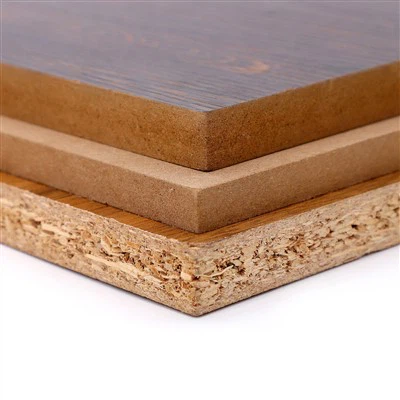
First off, let's understand a bit about Hmr Green MDF. It's a high - quality medium - density fiberboard known for its durability and smooth finish. It's commonly used in a variety of woodworking projects, from furniture making to interior decoration.
When it comes to sanding Hmr Green MDF, the choice of grit sandpaper is crucial. The grit number indicates the coarseness of the sandpaper. Lower grit numbers mean coarser sandpaper, which is great for removing a lot of material quickly, while higher grit numbers are for finer sanding and achieving a smooth surface.
Coarse Sanding (40 - 80 Grit)
If you're starting with a rough Hmr Green MDF board or need to remove a significant amount of material, like leveling uneven edges or getting rid of some initial rough spots, a 40 - 80 grit sandpaper is your go - to. For example, if you've just cut the MDF to size and there are some jagged edges, a 40 - grit sandpaper can quickly smooth them out. It's like the heavy - duty worker in your sanding arsenal. But be careful! Using too coarse a grit for too long can leave deep scratches on the surface, which might be hard to fix later.
Medium Sanding (100 - 150 Grit)
After the initial coarse sanding, it's time to move on to medium - grit sandpaper. A 100 - 150 grit sandpaper helps to refine the surface. It starts to remove the scratches left by the coarse sandpaper and makes the MDF surface more even. This is an important step if you're planning to apply a finish like paint or stain. For instance, if you're making a cabinet door out of Hmr Green MDF, medium sanding will prepare the surface so that the paint goes on smoothly and adheres well.
Fine Sanding (180 - 220 Grit)
Once you've done the medium sanding, it's time for the fine touch. An 180 - 220 grit sandpaper is used to create a super - smooth surface. It gets rid of any remaining fine scratches and gives the MDF a silky feel. This is especially important if you want a high - end finish. For example, if you're making a high - end bookshelf, fine sanding will make the surface look and feel luxurious.
Extra - Fine Sanding (240+ Grit)
For those projects where you need an ultra - smooth finish, like a piece of furniture that will be frequently touched or a decorative item, you can use sandpaper with a grit of 240 or higher. This type of sanding is more about polishing the surface than removing material. It can make the MDF surface almost glass - like in its smoothness.
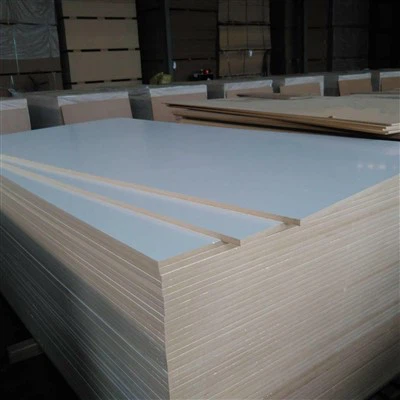
Now, let's talk about some other types of MDF that we also supply. If you're interested in fire - rated options, check out our Red Fire Rated MDF. It's a great choice for areas where fire safety is a concern. And if you're looking for a shiny, modern look, our High Glossy MDF is perfect. It gives a really sleek and contemporary finish. Also, for a classic and clean look, our White Melamine Mdf Board Made in CHINA is a popular option.


In conclusion, choosing the right grit sandpaper for Hmr Green MDF depends on the state of the board and the finish you want to achieve. By following these guidelines, you can ensure that your Hmr Green MDF projects turn out great.
If you're in the market for Hmr Green MDF or any of our other MDF products, don't hesitate to reach out. We're here to help you with your woodworking needs and can offer advice on the best products for your specific projects. Whether you're a professional woodworker or a DIY enthusiast, we've got the right MDF for you.
References
- Woodworking Basics: A Guide to Sanding. [Publisher Name], [Year of Publication]
- MDF Handbook: Properties and Applications. [Publisher Name], [Year of Publication]