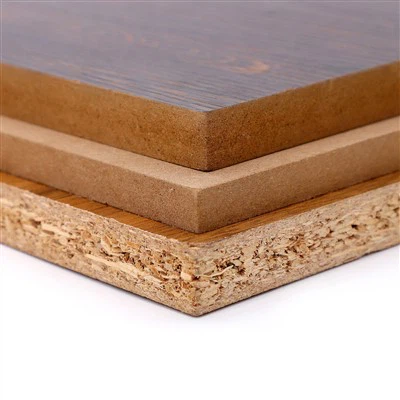
As a supplier of Plain Foam Board, I've witnessed firsthand the diverse and innovative uses of this material. While it's commonly associated with packaging, display, and insulation, its potential in gardening is often overlooked. In this blog, I'll explore the various applications of Plain Foam Board in gardening, demonstrating how it can enhance your gardening experience and contribute to a more sustainable and efficient garden.


Seed Starting Trays
One of the most practical uses of Plain Foam Board in gardening is creating seed starting trays. These trays provide a controlled environment for germinating seeds, ensuring optimal temperature, moisture, and ventilation. To make a seed starting tray, simply cut the Plain Foam Board into the desired size and shape. You can create individual compartments for each seed by cutting small dividers from the same material. The lightweight and insulating properties of the foam board help to retain heat, which is essential for seed germination. Additionally, the board's smooth surface makes it easy to clean and reuse, reducing waste and saving money in the long run.
Plant Markers
Keeping track of different plant varieties in your garden can be a challenge, especially as they grow and change over time. Plain Foam Board can be used to create durable and customizable plant markers. Cut the foam board into small strips or shapes, and use a permanent marker or paint to label each plant. The foam board is weather-resistant, so it won't fade or deteriorate in the elements. You can also attach the markers to stakes or sticks for easy placement in the soil. This simple yet effective solution will help you keep your garden organized and ensure that you know exactly what you're growing.
Garden Pathways
If you're looking to add a touch of style and functionality to your garden, consider using Plain Foam Board to create pathways. The foam board is lightweight and easy to cut, making it a convenient option for DIY projects. You can cut the board into various shapes and sizes to fit your garden layout. Lay the foam board on the ground, and secure it in place with stakes or adhesive. The smooth surface of the board provides a stable walking surface, while its insulating properties can help to keep the soil cool and moist. Additionally, the foam board can be painted or decorated to match the aesthetic of your garden.
Plant Supports
As plants grow, they often need support to prevent them from bending or breaking under their own weight. Plain Foam Board can be used to create custom plant supports. Cut the foam board into strips or squares, and shape them into the desired form. You can use the foam board to create trellises, cages, or stakes for your plants. The foam board is lightweight and flexible, so it won't damage the plants. It also provides a cushioning effect, which can help to protect the plants from wind and other environmental factors. This cost-effective solution will help your plants grow strong and healthy.
Frost Protection
During the colder months, protecting your plants from frost is crucial. Plain Foam Board can be used as a temporary frost protection solution. Cut the foam board into sheets that are large enough to cover your plants. Place the sheets over the plants at night, and remove them during the day to allow for sunlight and air circulation. The foam board's insulating properties will help to trap heat and keep the plants warm. This simple yet effective method can help to prevent frost damage and extend the growing season.
Compost Bin Insulation
Composting is an important part of sustainable gardening. It helps to recycle organic materials and create nutrient-rich soil for your plants. However, composting can be slow and inefficient in cold weather. Plain Foam Board can be used to insulate your compost bin, helping to maintain a consistent temperature and speed up the composting process. Cut the foam board into pieces that fit the sides and bottom of your compost bin. Line the inside of the bin with the foam board, and secure it in place with adhesive or tape. The foam board will help to trap heat and prevent it from escaping, creating an ideal environment for composting.
Greenhouse Insulation
If you have a greenhouse, you know how important it is to maintain a consistent temperature and humidity level. Plain Foam Board can be used to insulate your greenhouse, helping to reduce heat loss and save energy. Cut the foam board into sheets that fit the walls and roof of your greenhouse. Attach the sheets to the inside of the greenhouse using adhesive or hooks. The foam board's insulating properties will help to keep the greenhouse warm in the winter and cool in the summer. This will create a more stable environment for your plants, allowing them to grow and thrive year-round.
Pest Control
Pests can be a major problem in the garden, causing damage to plants and reducing yields. Plain Foam Board can be used as a natural pest control solution. Cut the foam board into small pieces, and place them around the base of your plants. The foam board will create a barrier that pests will have difficulty crossing. You can also use the foam board to create traps for pests. For example, you can cut the foam board into the shape of a cup, and fill it with a sweet liquid to attract insects. The insects will get stuck in the liquid, and you can easily dispose of them. This eco-friendly solution will help to keep your garden pest-free without the use of harmful chemicals.
Conclusion
As you can see, Plain Foam Board has a wide range of applications in gardening. From seed starting trays to greenhouse insulation, this versatile material can enhance your gardening experience and contribute to a more sustainable and efficient garden. If you're interested in learning more about Plain Foam Board or other [related products like the PVC Faced Foam Board, please visit our website at Plain Foam Board. We offer a variety of high-quality foam board products at competitive prices. Whether you're a professional gardener or a hobbyist, we have the solutions you need to take your garden to the next level. Contact us today to discuss your gardening needs and explore the possibilities of Plain Foam Board.
References
- Smith, J. (2020). Gardening with Sustainable Materials. Green Living Press.
- Johnson, M. (2019). DIY Gardening Projects. Home & Garden Magazine.
- Brown, A. (2018). The Benefits of Insulation in the Garden. Gardening Today.