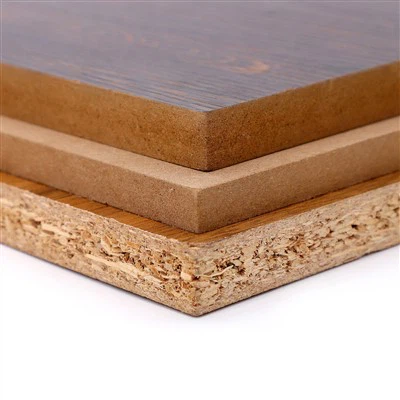
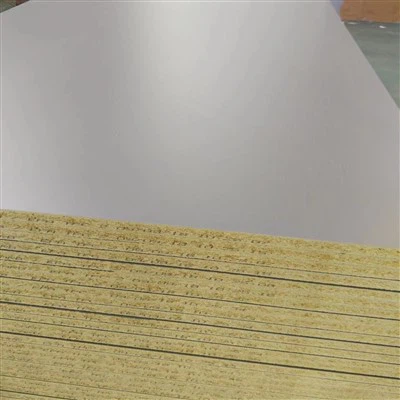
Medium Density Fiberboard (MDF) is a popular engineered wood product known for its versatility, affordability, and smooth finish. As an MDF supplier, I understand the importance of maintaining the quality and appearance of MDF products. One crucial aspect of this is choosing the right cleaning agents. In this blog post, I'll explore what cleaning agents are safe for MDF and how to use them effectively.
Understanding MDF and Its Sensitivities
Before delving into cleaning agents, it's essential to understand the nature of MDF. MDF is made by breaking down hardwood or softwood residuals into wood fibers, often in a defibrator, combining it with wax and a resin binder, and forming panels by applying high temperature and pressure. While MDF is a durable material, it is sensitive to moisture. Excessive moisture can cause the MDF to swell, warp, or delaminate. Therefore, any cleaning agent used on MDF should be carefully selected to minimize the risk of water damage.
Safe Cleaning Agents for MDF
Mild Dish Soap and Water
One of the safest and most effective cleaning solutions for MDF is a mixture of mild dish soap and water. Dish soap is designed to break down grease and dirt without being overly harsh on surfaces. To use this solution, follow these steps:
- Fill a bucket with warm water and add a few drops of mild dish soap.
- Dip a soft, clean cloth or sponge into the soapy water and wring it out thoroughly to remove excess moisture.
- Gently wipe the MDF surface, using a light touch to avoid scratching.
- Rinse the cloth or sponge in clean water and wring it out again. Then, wipe the MDF surface to remove any soap residue.
- Dry the surface immediately with a clean, dry cloth to prevent moisture from seeping into the MDF.
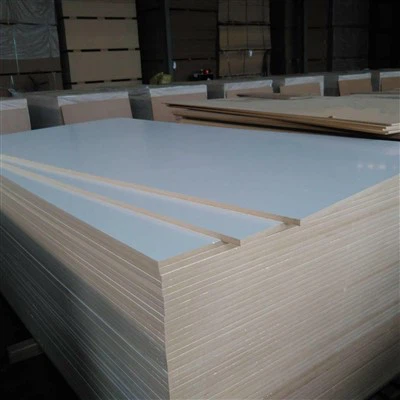
This method is suitable for general cleaning of MDF surfaces, including High Glossy MDF, which may accumulate dust and fingerprints over time.
White Vinegar Solution
White vinegar is a natural cleaning agent that can effectively remove stains, odors, and bacteria from MDF surfaces. It is also non-toxic and environmentally friendly. To make a white vinegar cleaning solution, mix equal parts of white vinegar and water in a spray bottle. Here's how to use it:


- Spray the vinegar solution onto the MDF surface.
- Let the solution sit for a few minutes to allow it to penetrate and break down dirt and stains.
- Wipe the surface with a soft, clean cloth or sponge.
- Rinse the cloth or sponge in clean water and wipe the surface again to remove any vinegar residue.
- Dry the surface thoroughly with a clean, dry cloth.
However, it's important to note that vinegar has a strong odor, which may linger for a short time after cleaning. If the odor is a concern, you can add a few drops of essential oil, such as lemon or lavender, to the vinegar solution to mask the smell.
Isopropyl Alcohol
Isopropyl alcohol, also known as rubbing alcohol, is a powerful disinfectant that can be used to clean and sanitize MDF surfaces. It evaporates quickly, reducing the risk of moisture damage. To use isopropyl alcohol for cleaning MDF, follow these steps:
- Dampen a soft, clean cloth or cotton ball with isopropyl alcohol.
- Gently wipe the MDF surface, paying special attention to areas that may be contaminated with germs, such as handles and knobs.
- Let the surface air dry completely.
Isopropyl alcohol is particularly useful for cleaning MDF in high-traffic areas or areas prone to bacteria growth, such as kitchens and bathrooms. However, it may cause some discoloration or damage to certain finishes, so it's always a good idea to test it on a small, inconspicuous area first.
Cleaning Agents to Avoid
Harsh Chemicals
Avoid using harsh chemicals, such as bleach, ammonia, or abrasive cleaners, on MDF surfaces. These chemicals can damage the MDF, causing it to discolor, warp, or lose its finish. They can also release harmful fumes, which can be dangerous to your health.
Abrasive Materials
Scrubbing pads, steel wool, or other abrasive materials should not be used on MDF. These materials can scratch the surface, leaving it vulnerable to moisture and damage. Instead, use soft, non-abrasive cloths or sponges for cleaning.
Tips for Cleaning MDF
- Test Cleaning Agents First: Before using any new cleaning agent on a large area of MDF, test it on a small, inconspicuous area to ensure it does not cause any damage or discoloration.
- Avoid Excessive Moisture: As mentioned earlier, MDF is sensitive to moisture. Always wring out cloths and sponges thoroughly before using them on MDF surfaces, and dry the surfaces immediately after cleaning.
- Follow Manufacturer's Instructions: If your MDF product comes with specific cleaning instructions from the manufacturer, be sure to follow them carefully.
- Regular Maintenance: Regular cleaning and maintenance can help keep your MDF products looking their best and extend their lifespan. Dust MDF surfaces regularly with a soft, dry cloth to prevent dirt and debris from accumulating.
Conclusion
Choosing the right cleaning agents is essential for maintaining the quality and appearance of MDF products. By using mild dish soap and water, white vinegar solution, or isopropyl alcohol, you can effectively clean and protect your MDF surfaces without causing damage. Remember to avoid harsh chemicals and abrasive materials, and always test new cleaning agents on a small area first.
If you're interested in purchasing high-quality MDF products, including High Glossy MDF, Density Fiberboard (Clear Panel), and Hmr Green MDF, please feel free to contact us for more information and to discuss your specific requirements. We're here to help you find the perfect MDF solutions for your projects.
References
- "Medium Density Fiberboard (MDF): Properties, Uses, and Advantages." Woodworking Network.
- "How to Clean and Maintain MDF Furniture." The Spruce.
- "Safe Cleaning Agents for Wood Surfaces." Better Homes & Gardens.