As a seasoned WPC decking supplier, I've encountered numerous inquiries from customers regarding the discoloration of WPC decking. This issue not only affects the aesthetic appeal of the deck but also raises concerns about the product's durability and quality. In this blog, I'll delve into the various factors that can cause WPC decking to discolor, based on my years of experience in the industry and scientific understanding of the materials involved.
1. Exposure to UV Radiation
One of the primary culprits behind WPC decking discoloration is prolonged exposure to ultraviolet (UV) radiation from the sun. UV rays have the potential to break down the chemical bonds in the polymers and wood fibers that make up WPC decking. This process, known as photodegradation, can lead to a change in the decking's color over time.
When the polymers in WPC decking are exposed to UV radiation, they can undergo oxidation, which results in the formation of free radicals. These free radicals can react with other molecules in the material, causing discoloration. Additionally, the wood fibers in WPC decking can also be affected by UV radiation. Wood contains natural pigments that can fade or change color when exposed to sunlight for extended periods.
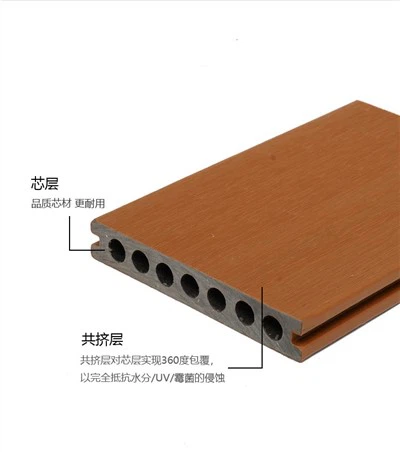
To mitigate the effects of UV radiation, some WPC decking manufacturers use UV stabilizers in their products. These stabilizers work by absorbing or reflecting UV rays, preventing them from reaching the polymers and wood fibers. However, the effectiveness of UV stabilizers can vary depending on the quality and quantity used. For our high - quality products like Second Generation Co - extruded Flooring, we use advanced UV stabilizers to ensure better color retention.
2. Moisture and Mold Growth
Moisture is another significant factor that can cause WPC decking to discolor. When WPC decking is exposed to excessive moisture, it can create an ideal environment for mold and mildew growth. Mold and mildew are fungi that thrive in damp, dark conditions. They can attach themselves to the surface of the decking and produce pigments that cause discoloration.
In addition to mold growth, moisture can also cause the wood fibers in WPC decking to swell and contract. This expansion and contraction can lead to changes in the structure of the material, which may result in discoloration. Moreover, if the WPC decking is installed in an area with poor drainage, water can accumulate on the surface, increasing the risk of moisture - related discoloration.


To prevent moisture - related discoloration, proper installation and maintenance are crucial. During installation, it's important to ensure that the decking has adequate ventilation and drainage. Regular cleaning of the decking can also help remove any dirt or debris that may trap moisture. Our First Generation Decking is designed with features to enhance water resistance, but proper care is still necessary.
3. Chemical Exposure
WPC decking can be exposed to a variety of chemicals, both during installation and in everyday use. Chemicals such as cleaning agents, fertilizers, and pesticides can react with the polymers and wood fibers in the decking, causing discoloration.
Some cleaning agents may be too harsh for WPC decking and can strip away the protective layers on the surface, leaving the material vulnerable to discoloration. Fertilizers and pesticides, which often contain salts and other chemicals, can also cause staining if they are spilled on the decking.
When using chemicals on WPC decking, it's essential to choose products that are specifically formulated for use on this type of material. Always follow the manufacturer's instructions for cleaning and maintenance to avoid chemical - induced discoloration.
4. Pollution and Environmental Factors
The environment in which the WPC decking is installed can also play a role in its discoloration. Air pollution, for example, can deposit soot, dust, and other particles on the surface of the decking. These particles can accumulate over time and cause the decking to appear dirty or discolored.
In areas with high levels of industrial pollution, the decking may be exposed to chemicals such as sulfur dioxide and nitrogen oxides. These chemicals can react with the surface of the decking and cause discoloration. Additionally, acidic rain, which is more common in polluted areas, can also have a corrosive effect on WPC decking, leading to color changes.
Regular cleaning can help remove pollutants from the surface of the decking. However, in highly polluted areas, more frequent cleaning and maintenance may be required.
5. Manufacturing Defects
In some cases, discoloration of WPC decking can be attributed to manufacturing defects. During the manufacturing process, if the materials are not properly mixed or if the extrusion process is not carried out correctly, it can result in inconsistencies in the color and quality of the decking.
For example, if the wood fibers and polymers are not evenly distributed, some areas of the decking may have a different color or texture than others. Additionally, if the decking is not cured properly, it may be more prone to discoloration over time.
As a responsible WPC decking supplier, we have strict quality control measures in place to ensure that our products meet the highest standards. Our 3d Embossed Decking undergoes rigorous testing to minimize the risk of manufacturing - related discoloration.
How to Minimize Discoloration
While it's impossible to completely eliminate the risk of discoloration, there are several steps that can be taken to minimize its occurrence.
- Choose High - Quality Products: Select WPC decking from a reputable supplier that uses high - quality materials and advanced manufacturing techniques. Our products are designed to resist discoloration and offer long - lasting performance.
- Proper Installation: Ensure that the decking is installed correctly, with adequate ventilation and drainage. Follow the manufacturer's installation guidelines to prevent moisture - related issues.
- Regular Maintenance: Clean the decking regularly using mild, non - abrasive cleaners. Inspect the decking periodically for signs of mold, mildew, or other damage.
- Use Protective Coatings: Consider applying a protective coating to the decking to enhance its resistance to UV radiation, moisture, and chemicals.
If you're in the market for high - quality WPC decking that offers excellent color retention and durability, we're here to help. Our team of experts can provide you with detailed information about our products and assist you in choosing the right decking for your project. Whether you're a homeowner looking to upgrade your outdoor space or a contractor working on a large - scale project, we have the solutions you need. Contact us today to start a conversation about your WPC decking needs and let's work together to create a beautiful and long - lasting outdoor deck.
References
- ASTM International. (2023). Standards for WPC decking materials.
- Wood - Plastic Composites Research Journal. (2022). Studies on the durability and discoloration of WPC decking.
- Manufacturer's Guides on WPC Decking Maintenance and Installation.