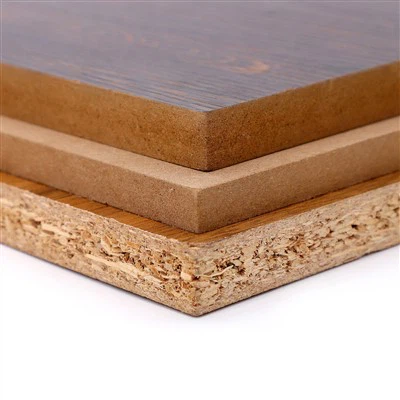
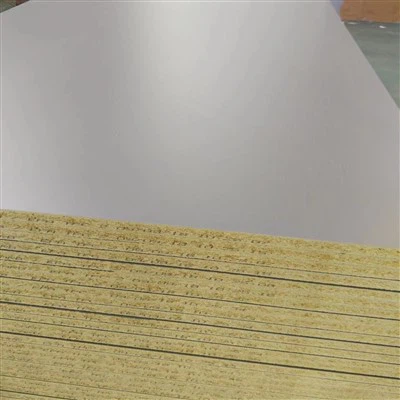
As a supplier of High Density MDF (Medium Density Fiberboard), I've witnessed firsthand the growing popularity of this material in 3D modeling. High Density MDF is known for its smooth surface, uniform density, and relatively low cost, making it an attractive option for many designers and model makers. However, like any material, it has its limitations. In this blog post, I'll explore some of the key limitations of using High Density MDF for 3D modeling.
1. Limited Durability in Harsh Environments
High Density MDF is essentially made from wood fibers bonded together with resin under high pressure and temperature. While it is more durable than regular MDF, it still has a relatively low resistance to moisture and extreme temperatures. In 3D modeling, if the model is intended for outdoor use or a high - humidity environment, High Density MDF may not be the best choice.
Moisture can cause the MDF to swell, warp, and lose its shape. Even a small amount of moisture absorption can lead to significant changes in the dimensions of the 3D model. For example, if a model is placed in a damp basement or near a water source, the edges may start to curl, and the overall integrity of the structure can be compromised.
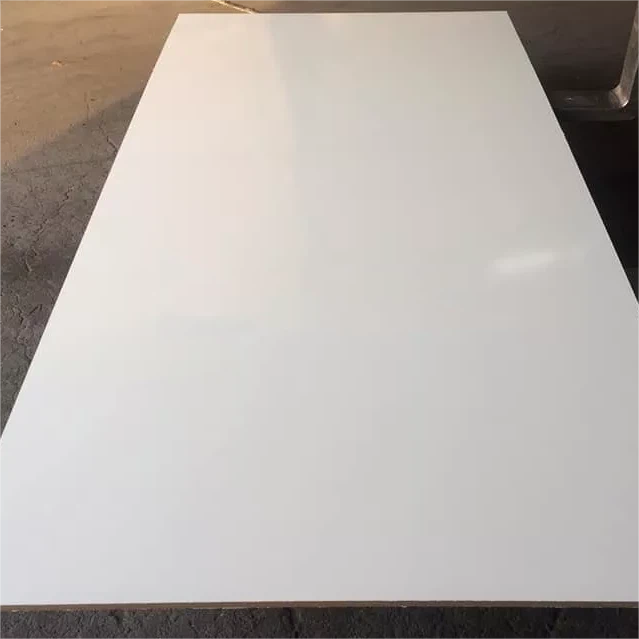
Extreme temperatures can also have a negative impact on High Density MDF. High heat can cause the resin in the MDF to break down, weakening the bonds between the wood fibers. On the other hand, very low temperatures can make the MDF brittle, increasing the risk of cracking or splitting during handling or when subjected to minor impacts.
2. Difficulty in Complex Geometric Shaping
Although High Density MDF can be cut and shaped to a certain extent, it has limitations when it comes to creating highly complex geometric shapes. The material is relatively rigid, and its internal structure can make it challenging to achieve sharp curves, intricate details, or very thin walls.
When using traditional cutting tools such as saws or routers, the MDF may splinter or chip at the edges, especially when trying to create fine details. This can result in a less - than - perfect finish and may require additional sanding and finishing work to smooth out the rough edges.
For more complex 3D models, techniques like 3D printing or using more flexible materials may be more suitable. 3D printing allows for the creation of highly detailed and complex shapes with precision, while flexible materials can be bent and molded into various forms without the risk of cracking or breaking.
3. Weight Considerations
High Density MDF is, as the name suggests, a dense material. This means that it can be quite heavy, especially for larger 3D models. The weight of the model can pose challenges in terms of handling, transportation, and installation.
If the model needs to be moved frequently or transported over long distances, the weight of the High Density MDF can make it cumbersome and expensive to handle. Additionally, if the model is intended to be displayed on a lightweight structure or in a space with weight restrictions, the heavy MDF may not be a viable option.
In comparison, some alternative materials such as foam or certain types of plastics are much lighter, making them more suitable for applications where weight is a concern.
4. Surface Finish and Aesthetics
While High Density MDF has a smooth surface, achieving a high - end, flawless finish can be a challenge. The surface of the MDF may have small imperfections, such as tiny holes or unevenness, which can be visible when painted or coated.
When applying paint or other finishes, the MDF may absorb the coating unevenly, resulting in a patchy or streaky appearance. To achieve a professional - looking finish, multiple layers of primer and paint may be required, along with extensive sanding between each layer.
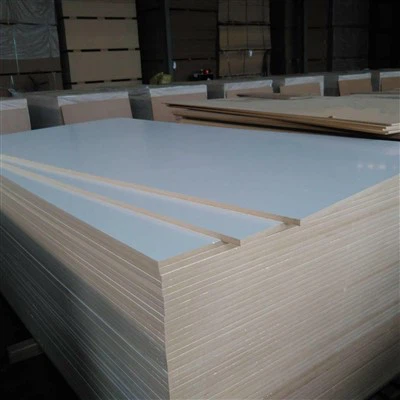
In addition, the natural color of High Density MDF is usually a light brown or beige, which may not be suitable for all design concepts. If a specific color or aesthetic is desired, additional finishing work such as veneering or laminating may be necessary. You can explore different color options with Different Color with Melamine MDF, which offers a wider range of color choices for your 3D models.
5. Environmental Impact
Although High Density MDF is made from wood fibers, which are a renewable resource, the manufacturing process of MDF involves the use of resins and adhesives that may contain formaldehyde. Formaldehyde is a known carcinogen, and its release into the environment can have negative health effects.
In recent years, there has been an increasing demand for more environmentally friendly materials in the 3D modeling industry. While some manufacturers have developed low - formaldehyde or formaldehyde - free High Density MDF products, they may be more expensive and less readily available.
6. Cost - Benefit Analysis
While High Density MDF is generally more affordable than some other materials used in 3D modeling, such as solid wood or high - end plastics, the cost can still add up, especially for large - scale projects. When considering the limitations mentioned above, such as the need for additional finishing work, the potential for damage in harsh environments, and the weight - related challenges, the overall cost - benefit ratio may not be as favorable as it initially seems.
For example, if a project requires a model to be durable in a harsh environment and have a high - end finish, investing in a more expensive but more suitable material may be a better long - term solution.
Conclusion
Despite its limitations, High Density MDF still has its place in 3D modeling. It is a versatile material that can be used for a wide range of applications, especially when cost, availability, and a relatively smooth surface are important factors. However, it's crucial for designers and model makers to be aware of its limitations and to carefully consider whether it is the right material for their specific project.
If you're still interested in exploring the possibilities of High Density MDF for your 3D modeling needs, we offer a variety of products, including Laminate Floor and High Glossy MDF. Our team is always ready to assist you in choosing the right material and providing technical support. If you have any questions or would like to discuss your project in more detail, please feel free to contact us for a procurement discussion.
References
- "Wood - Based Panels: Medium - Density Fiberboard (MDF)" by the Forest Products Laboratory.
- "3D Modeling Materials: A Comparative Analysis" by a leading industry research firm.
- "Environmental Impact of Wood - Composite Materials" published in a peer - reviewed environmental science journal.