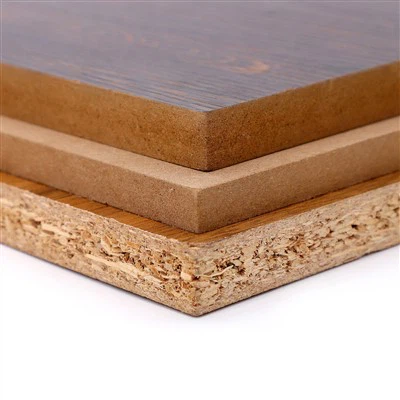
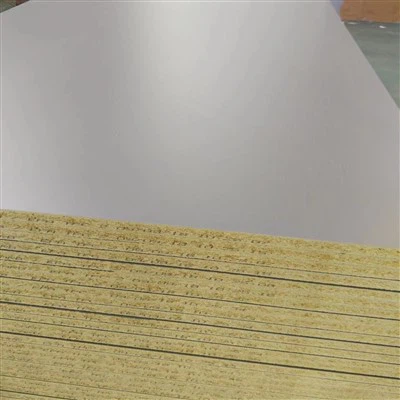
Hey there! As a plain chipboard supplier, I've seen firsthand the challenges that can arise when it comes to storing this versatile material. Plain chipboard is a popular choice for a wide range of applications, from furniture manufacturing to packaging. But if it's not stored properly, it can be damaged in a number of ways. In this blog post, I'll share some of the factors that can damage plain chipboard during storage and offer some tips on how to prevent it.
Moisture
One of the biggest threats to plain chipboard during storage is moisture. Chipboard is made from wood particles that are bonded together with resin. When it comes into contact with moisture, the wood particles can absorb the water, causing the chipboard to swell and warp. This can make the chipboard unusable for its intended purpose.
There are several ways that moisture can get to the chipboard during storage. High humidity levels in the storage area can cause the air to be saturated with moisture, which can then be absorbed by the chipboard. Leaks in the roof or walls of the storage facility can also allow water to come into contact with the chipboard. And if the chipboard is stored on a damp floor or in an area that is prone to flooding, it can be exposed to standing water.
To prevent moisture damage, it's important to store plain chipboard in a dry environment. The storage area should be well-ventilated to allow air to circulate and prevent humidity from building up. If possible, the chipboard should be stored off the ground on pallets or racks to prevent it from coming into contact with a damp floor. And if there are any leaks or signs of water damage in the storage facility, they should be repaired immediately.
Temperature
Extreme temperatures can also damage plain chipboard during storage. High temperatures can cause the resin that bonds the wood particles together to break down, weakening the chipboard and making it more prone to damage. Low temperatures, on the other hand, can cause the chipboard to become brittle and crack.
In addition to the direct effects of temperature on the chipboard, temperature fluctuations can also cause problems. When the temperature changes rapidly, the chipboard can expand and contract, which can cause it to warp or crack. This is especially true if the chipboard is stored in an area where the temperature is not regulated.
To prevent temperature damage, it's important to store plain chipboard in a temperature-controlled environment. The ideal temperature range for storing chipboard is between 18°C and 24°C (64°F and 75°F). If the storage area is not temperature-controlled, it's important to avoid storing the chipboard in direct sunlight or near sources of heat or cold, such as radiators or air conditioning units.
Physical Damage
Plain chipboard can also be damaged during storage if it is not handled properly. Rough handling, such as dropping or stacking the chipboard too high, can cause it to break or crack. And if the chipboard is stored in an area where it is likely to be bumped or knocked, it can be damaged by impact.
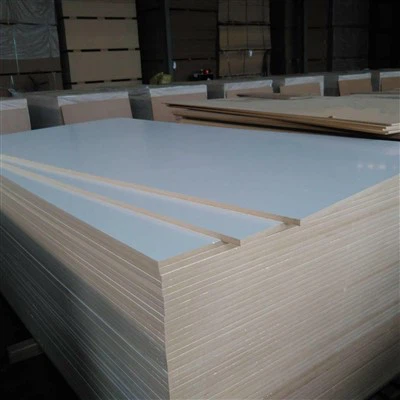
To prevent physical damage, it's important to handle plain chipboard with care. When moving the chipboard, it should be lifted and carried using proper lifting techniques to avoid dropping or damaging it. And when stacking the chipboard, it should be stacked evenly and securely to prevent it from toppling over. If the chipboard is stored in an area where it is likely to be bumped or knocked, it should be protected with padding or barriers to prevent damage.
Pest Infestation
Pests, such as termites and beetles, can also damage plain chipboard during storage. These pests can chew through the wood particles, weakening the chipboard and making it more prone to damage. And if the pest infestation is not detected and treated early, it can spread to other areas of the storage facility and cause significant damage.
To prevent pest infestation, it's important to keep the storage area clean and free of debris. Pests are attracted to food and water sources, so it's important to remove any spills or crumbs from the storage area. And if there are any signs of pest infestation, such as sawdust or holes in the chipboard, it should be treated immediately with a pest control product.
Chemical Exposure
Plain chipboard can also be damaged if it is exposed to certain chemicals. Some chemicals, such as acids and alkalis, can react with the resin that bonds the wood particles together, weakening the chipboard and making it more prone to damage. And if the chipboard is exposed to solvents or other chemicals that can dissolve the resin, it can be completely destroyed.
To prevent chemical exposure, it's important to store plain chipboard away from any sources of chemicals. If the chipboard needs to be cleaned or treated with a chemical, it's important to use a product that is specifically designed for use on chipboard and to follow the manufacturer's instructions carefully.
Conclusion
In conclusion, there are several factors that can damage plain chipboard during storage, including moisture, temperature, physical damage, pest infestation, and chemical exposure. By taking the necessary precautions to prevent these factors from affecting the chipboard, you can ensure that it remains in good condition and is ready to use when you need it.
If you're in the market for high-quality plain chipboard, we've got you covered. We also offer Melamine Chipboard and High Quality Factory Melamine Particleboard for those looking for a more durable and aesthetically pleasing option. And if you need chipboard that can withstand moisture, our Moisture Resistant Chipboard is the perfect choice.
If you have any questions about our products or need help with storage recommendations, feel free to reach out. We're here to assist you in finding the best solutions for your needs. Let's start a conversation about your next project and how our chipboard can meet your requirements!
References
- "Wood-Based Panels: Properties, Production and Applications." Forest Products Society, 2010.
- "Particleboard Manufacturing Handbook." National Particleboard Association, 2005.
- "Pest Management in Wood Products." University of California Agriculture and Natural Resources, 2012.