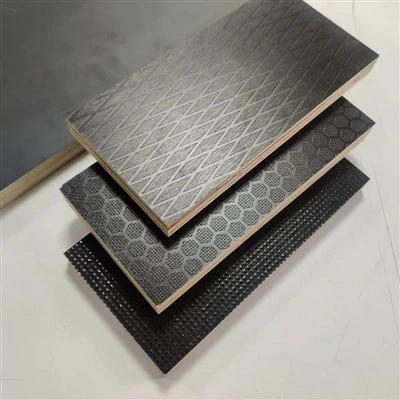
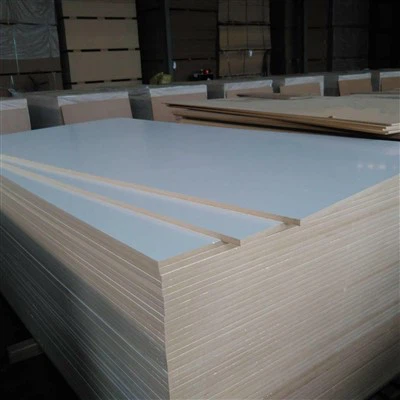
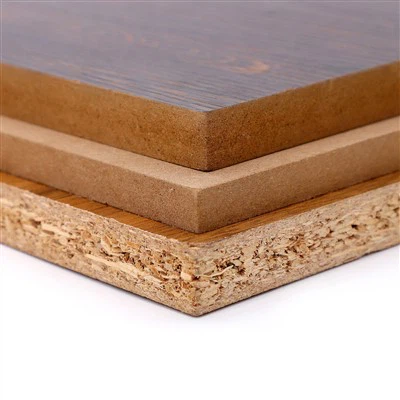
As a supplier of Melamine Chipboard, I'm often asked about the acoustic properties of this versatile material. In this blog post, I'll delve into the details of what makes Melamine Chipboard unique in terms of sound absorption, insulation, and transmission, and how these properties can be beneficial in various applications.
Understanding Melamine Chipboard
Melamine Chipboard is a type of engineered wood product made by bonding wood chips or particles together with a synthetic resin, typically urea - formaldehyde or melamine - formaldehyde resin. The surface is then covered with a melamine laminate, which provides a smooth, durable, and decorative finish. This material is widely used in furniture manufacturing, interior decoration, and construction due to its affordability, strength, and aesthetic appeal.
Sound Absorption
One of the key acoustic properties of Melamine Chipboard is its ability to absorb sound. Sound absorption is measured by the Noise Reduction Coefficient (NRC), which ranges from 0 to 1. A material with an NRC of 0 reflects all sound, while a material with an NRC of 1 absorbs all sound.
The porous structure of the wood chips in Melamine Chipboard allows it to trap sound waves. When sound waves hit the surface of the board, they enter the pores and are converted into heat energy through friction. This process reduces the intensity of the sound waves, effectively absorbing the sound.
However, the sound absorption capacity of Melamine Chipboard can vary depending on several factors. The density of the board plays a significant role. Generally, higher - density boards have better sound absorption properties because they have more mass to interact with the sound waves. The thickness of the board also matters. Thicker boards tend to absorb more sound, especially at lower frequencies.
In comparison to other common building materials, Melamine Chipboard has a moderate sound - absorption capacity. For example, it is not as effective as specialized acoustic panels, but it can still contribute to reducing noise levels in a room. In a home or office environment, using Melamine Chipboard for furniture or wall partitions can help to create a more peaceful and comfortable space.
Sound Insulation
Sound insulation refers to the ability of a material to prevent sound from passing through it. This is different from sound absorption, which focuses on reducing the sound within a space. Melamine Chipboard can provide a certain degree of sound insulation.
The mass of the board is a crucial factor in sound insulation. Heavier boards are better at blocking sound because they require more energy for sound waves to penetrate. Since Melamine Chipboard is made up of wood particles and resin, it has a reasonable amount of mass, which helps to reduce the transmission of sound.
The airtightness of the installation also affects sound insulation. If the Melamine Chipboard is installed properly with minimal gaps or joints, it can enhance its sound - insulating properties. For instance, in a multi - room building, using Melamine Chipboard for interior walls can help to isolate different areas and prevent sound from traveling between them.


Sound Transmission
Sound transmission is closely related to sound insulation. The Sound Transmission Class (STC) is a measure of how well a material or structure reduces the transmission of airborne sound. A higher STC rating indicates better sound - insulating performance.
Melamine Chipboard typically has an STC rating that is sufficient for many residential and commercial applications. However, for applications where very high levels of sound isolation are required, such as recording studios or theaters, additional sound - insulating materials may need to be used in conjunction with Melamine Chipboard.
The construction and design of the structure using Melamine Chipboard also impact sound transmission. For example, if the board is used in a partition wall, the way it is framed and the type of connections used can affect how sound travels through the wall.
Applications Based on Acoustic Properties
Furniture Manufacturing
In furniture manufacturing, the acoustic properties of Melamine Chipboard can be an advantage. For example, cabinets made from Melamine Chipboard can help to reduce the noise from appliances such as dishwashers or refrigerators. The sound - absorption properties of the board can muffle the noise generated by these appliances, making the kitchen a quieter place.
Interior Decoration
When used for wall paneling or room dividers, Melamine Chipboard can contribute to the overall acoustic environment of a room. It can help to reduce echoes and reverberation, creating a more pleasant and comfortable atmosphere. In a commercial space like a restaurant or a conference room, using Melamine Chipboard for interior decoration can enhance the acoustic quality of the space, improving the dining or meeting experience.
Construction
In construction, Melamine Chipboard can be used in non - load - bearing walls. It can provide a certain level of sound insulation between different rooms or areas of a building. For example, in an apartment building, using Melamine Chipboard for interior partitions can help to reduce the noise transfer between neighboring units.
Our Product Offerings
As a supplier, we offer a wide range of Melamine Chipboard products with different acoustic properties to meet the diverse needs of our customers. Our Melamine Particle Board is available in various densities and thicknesses, allowing you to choose the option that best suits your acoustic requirements.
We also provide Melamine Laminated MDF And HDF Board. These boards offer enhanced sound - absorption and insulation properties due to their higher density and more uniform structure compared to traditional particle boards.
For those looking for high - quality products, our High Quality Factory Melamine Particleboard is a great choice. It is manufactured using advanced technology and high - grade materials, ensuring consistent acoustic performance.
Conclusion
In conclusion, Melamine Chipboard has several important acoustic properties. Its sound - absorption, insulation, and transmission characteristics make it a valuable material in various applications. Whether you are looking to create a quiet home environment, a functional office space, or a comfortable commercial venue, Melamine Chipboard can play a role in achieving your acoustic goals.
If you are interested in learning more about our Melamine Chipboard products or have specific acoustic requirements for your project, we encourage you to contact us for a detailed discussion. Our team of experts is ready to assist you in selecting the right product and providing technical support. We look forward to the opportunity to work with you and contribute to the success of your project.
References
- ASTM International. (2019). Standard Test Methods for Sound Absorption and Sound Absorption Coefficients by the Reverberant Room Method. ASTM C423 - 17a.
- ISO 10140 - 2:2010. Acoustics - Laboratory measurement of sound insulation of building elements - Part 2: Measurement of airborne sound insulation.
- Kreuger, C. (2018). Wood - based Panels for Acoustic Applications. Wood and Fiber Science, 50(3), 289 - 305.