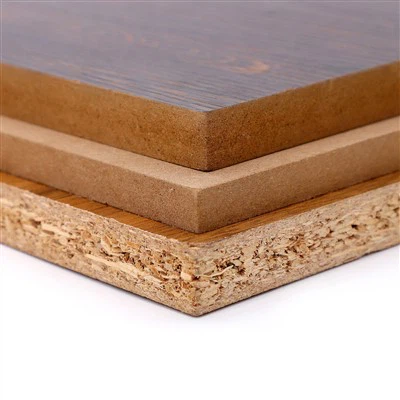
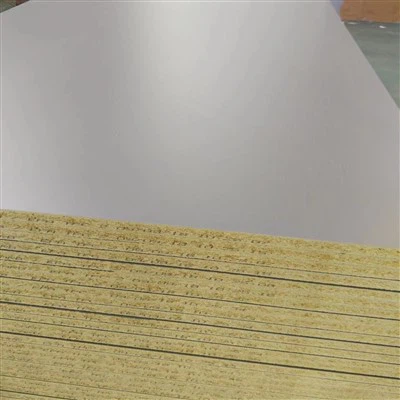
Hey there! As a plain chipboard supplier, I've seen my fair share of stained chipboard. It can be a real headache, especially when you're trying to keep your products looking top-notch. But don't worry, I've got some tried-and-true methods to help you remove those stubborn stains and get your chipboard looking brand new again.
Understanding Plain Chipboard
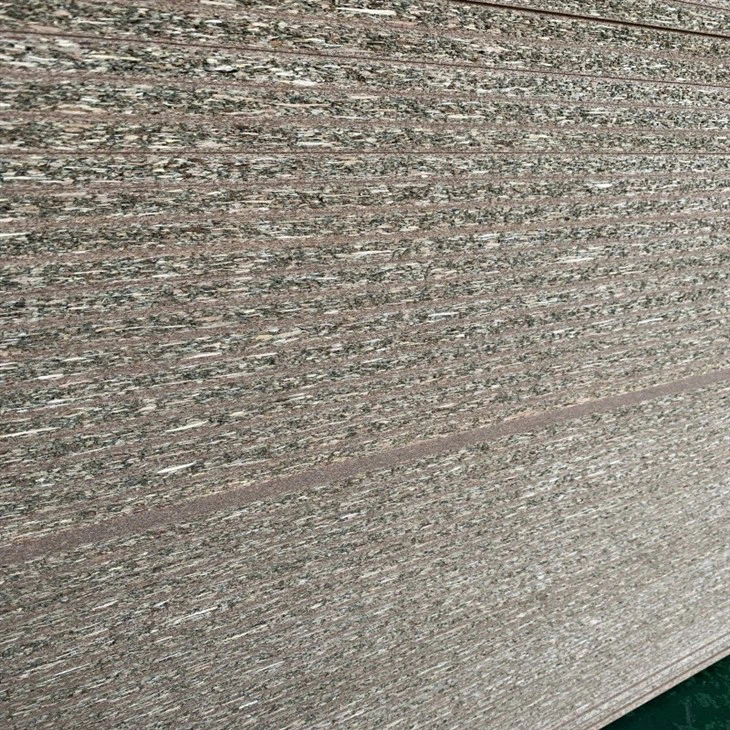
Before we dive into stain removal, let's talk a bit about plain chipboard. It's a type of engineered wood made from wood chips, sawdust, and resin. It's commonly used in furniture, cabinetry, and packaging because it's affordable, versatile, and easy to work with. However, plain chipboard is porous, which means it can absorb liquids and stains easily.
Common Types of Stains on Plain Chipboard
There are several types of stains that can affect plain chipboard, each requiring a different approach for removal. Here are some of the most common ones:
Water Stains
Water stains are one of the most common issues with plain chipboard. They can be caused by spills, leaks, or high humidity. Water stains usually appear as light or dark spots on the surface of the chipboard.

Grease and Oil Stains
Grease and oil stains are often caused by food spills, cooking oils, or contact with oily hands. These stains can be particularly stubborn and may require a stronger cleaning solution.
Ink Stains
Ink stains can be a real nuisance, especially if they're from a permanent marker. They can be difficult to remove, but with the right techniques, you can usually get rid of them.
Mold and Mildew Stains
Mold and mildew stains are a sign of moisture problems. They can appear as black, green, or brown spots on the chipboard and can be a health hazard if not treated properly.
Stain Removal Methods
Water Stains
- For light water stains: Start by blotting the stain with a clean, dry cloth to remove as much moisture as possible. Then, mix a small amount of mild dish soap with warm water. Dip a soft cloth into the soapy water, wring it out well, and gently rub the stain in a circular motion. Rinse the cloth with clean water and wipe away the soap residue. Finally, dry the area thoroughly with a dry cloth.
- For dark water stains: If the water stain is more stubborn, you can try using a mixture of equal parts vinegar and water. Apply the solution to the stain with a cloth and let it sit for a few minutes. Then, wipe it away with a clean, damp cloth and dry the area. You can also try using a commercial wood stain remover, following the instructions on the label.
Grease and Oil Stains
- Baking soda paste: Mix baking soda with a small amount of water to form a thick paste. Apply the paste to the stain and let it sit for about 15 - 20 minutes. Then, gently scrub the area with a soft brush or cloth. Rinse the area with clean water and dry it thoroughly.
- Commercial degreaser: If the baking soda paste doesn't work, you can use a commercial degreaser. Make sure to test the degreaser on a small, inconspicuous area of the chipboard first to ensure it doesn't damage the surface. Apply the degreaser according to the instructions on the label, then wipe it away and rinse the area.
Ink Stains
- Rubbing alcohol: Dampen a cotton ball or cloth with rubbing alcohol. Gently dab the ink stain, being careful not to rub too hard as this can spread the stain. Continue dabbing until the ink starts to lift. Wipe away the ink and alcohol with a clean, damp cloth and dry the area.
- Hairspray: Spray a small amount of hairspray onto the ink stain. Let it sit for a few minutes, then blot the stain with a clean cloth. Rinse the area with water and dry it.
Mold and Mildew Stains
- Bleach solution: Mix one part bleach with three parts water in a spray bottle. Spray the solution onto the mold and mildew stain and let it sit for 10 - 15 minutes. Wear gloves and a mask when using bleach to protect yourself. Scrub the area gently with a brush, then rinse it thoroughly with water. Make sure to dry the area completely to prevent future mold growth.
- Vinegar: Vinegar is a natural anti - fungal agent. Spray undiluted white vinegar onto the mold and mildew stain and let it sit for an hour. Wipe away the mold and vinegar with a cloth and dry the area.
Preventing Stains on Plain Chipboard
Prevention is always better than cure. Here are some tips to help you prevent stains on your plain chipboard:
- Use coasters and placemats: When using chipboard furniture, use coasters under glasses and placemats under plates to prevent water and food stains.
- Clean up spills immediately: As soon as a spill occurs, blot it up with a clean cloth to prevent the liquid from soaking into the chipboard.
- Control humidity: Keep the humidity levels in your home or storage area stable. Use a dehumidifier in damp areas to prevent mold and mildew growth.
- Seal the chipboard: You can use a clear sealer or varnish to create a protective barrier on the surface of the chipboard. This can make it more resistant to stains and moisture.
Our Product Range
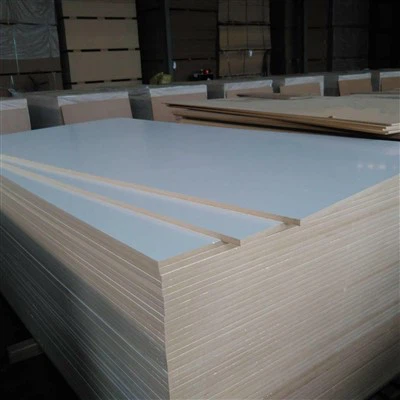
As a plain chipboard supplier, we also offer a range of related products. If you're looking for something more durable and resistant to stains, you might be interested in our Melamine Laminated MDF and Hdf Board. It has a smooth, laminated surface that is easier to clean and more resistant to scratches and stains.
For areas where moisture is a concern, our Moisture Resistant Chipboard is a great option. It's specially treated to withstand high humidity and moisture, making it perfect for kitchens, bathrooms, and basements.
And if you're in need of a structural panel for roofing, wall, floor sheathing, or packaging, check out our Moisture Resistant Structural OSB Panel For Roofing, Wall, Floor Sheathing & Packaging. It's strong, durable, and moisture - resistant.
Contact Us for Procurement
If you're interested in our plain chipboard or any of our other products, we'd love to hear from you. Whether you're a furniture manufacturer, a contractor, or a DIY enthusiast, we can provide you with high - quality products at competitive prices. Don't hesitate to reach out for a quote or to discuss your specific requirements.
References
- "Wood Finishing: A Complete Guide" by Bob Flexner
- "The Home Depot Guide to Home Improvement and Repair"
- Various online resources on woodworking and stain removal