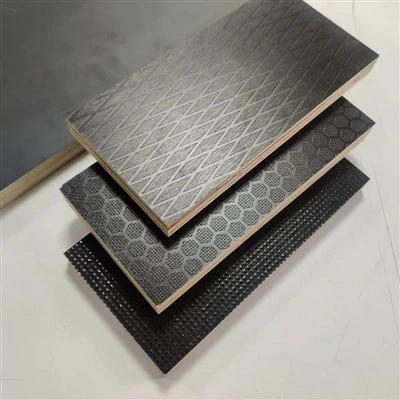
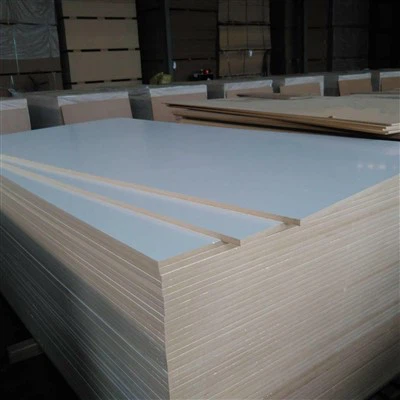
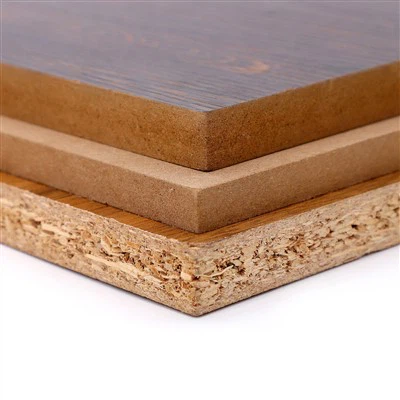
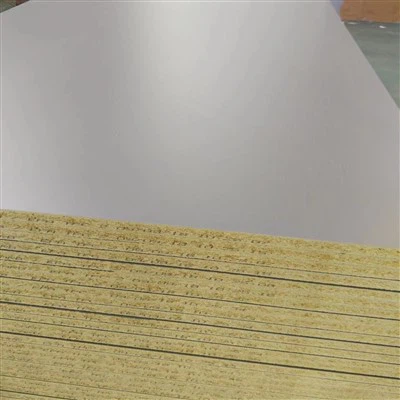
As a supplier of film faced plywood, I understand the importance of fire resistance in this product. Film faced plywood is widely used in construction, furniture manufacturing, and other industries. However, its flammability can pose a significant safety risk. In this blog post, I will share some effective ways to improve the fire - resistance of film faced plywood based on my experience and industry knowledge.
Understanding the Basics of Fire Resistance in Film Faced Plywood
Before diving into the methods of improving fire resistance, it's essential to understand how film faced plywood behaves in a fire. Film faced plywood consists of multiple layers of wood veneers bonded together with an adhesive and covered with a film. Wood is a combustible material, and the adhesive and film can also contribute to the spread of fire. The key to improving fire resistance is to slow down or prevent the ignition, combustion, and spread of flames.
Selecting Fire - Resistant Raw Materials
One of the most fundamental ways to enhance the fire - resistance of film faced plywood is to start with fire - resistant raw materials.
- Veneer Selection: Opt for wood species that are naturally more fire - resistant. Some hardwoods, such as teak and oak, have better fire - retardant properties compared to softwoods. These hardwoods have a higher density and lower volatile content, which means they burn more slowly. Additionally, consider using veneers that have been pre - treated with fire - retardant chemicals. These chemicals can penetrate the wood fibers and create a barrier that inhibits the spread of fire.
- Adhesive Choice: The adhesive used to bond the veneers plays a crucial role in the fire - resistance of the plywood. Choose adhesives that are formulated to be fire - resistant. Some modern adhesives contain fire - retardant additives that can reduce the flammability of the plywood. For example, phenolic resin adhesives are known for their relatively good fire - resistance properties compared to some other types of adhesives.
Applying Fire - Retardant Coatings
Applying fire - retardant coatings is a common and effective method to improve the fire - resistance of film faced plywood.
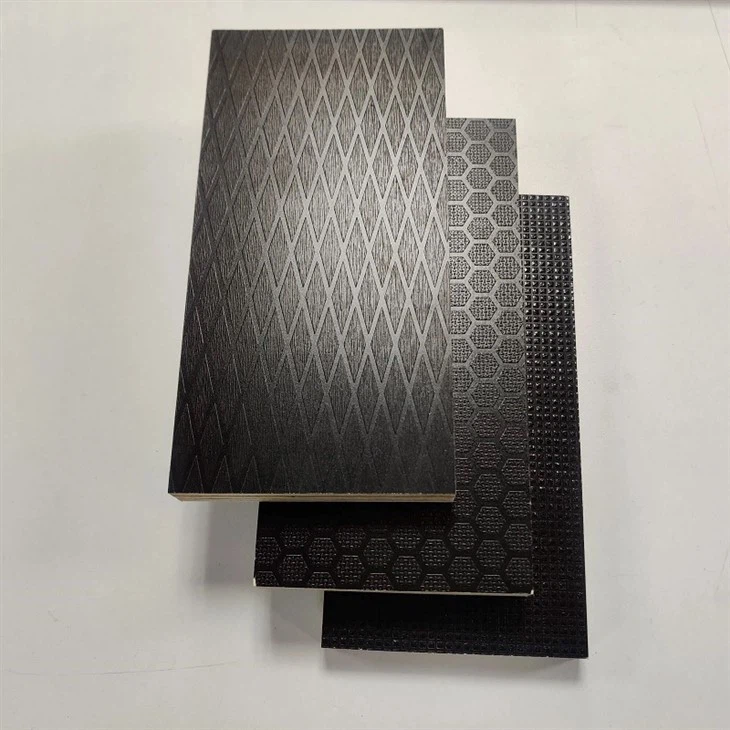
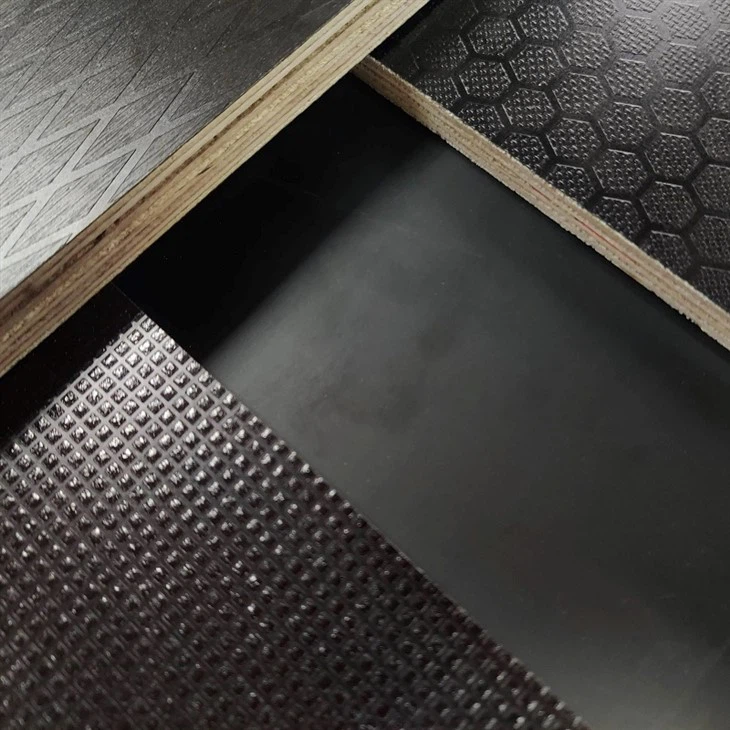
- Surface Coatings: There are various types of fire - retardant surface coatings available in the market. These coatings can be applied to the surface of the film faced plywood to form a protective layer. Intumescent coatings are particularly popular. When exposed to high temperatures, intumescent coatings expand and form a thick, insulating char layer. This char layer acts as a barrier, preventing oxygen from reaching the wood and reducing heat transfer.
- Impregnation: Another approach is to impregnate the plywood with fire - retardant chemicals. This process involves soaking the plywood in a solution containing fire - retardant agents. The chemicals penetrate the wood structure, providing long - term fire - resistance. However, it's important to ensure that the impregnation process is carried out correctly to avoid any negative impact on the mechanical properties of the plywood.
Design and Construction Considerations
The design and construction of the film faced plywood can also influence its fire - resistance.
- Layer Structure: Optimize the layer structure of the plywood. For example, adding an extra layer of fire - resistant material in the middle of the plywood can enhance its overall fire - resistance. This additional layer can act as a barrier, slowing down the spread of fire through the plywood.
- Edge Sealing: Proper edge sealing is essential. The edges of the plywood are more vulnerable to fire penetration. Use fire - resistant edge - sealing materials to prevent flames from entering the plywood through the edges. This can significantly improve the fire - resistance performance of the entire panel.
Quality Control and Testing
To ensure that the film faced plywood meets the required fire - resistance standards, strict quality control and testing are necessary.
- In - house Testing: Implement in - house testing procedures to check the fire - resistance of the plywood during the production process. This can include small - scale fire tests to monitor the ignition time, flame spread rate, and heat release rate of the plywood samples. By regularly testing the products, any issues can be detected early, and adjustments can be made to the production process.
- Third - Party Certification: Obtain third - party certification for the fire - resistance of the film faced plywood. There are many international and national standards for fire - resistance, such as ASTM E84 in the United States and EN 13501 - 1 in Europe. Having a third - party certification not only provides assurance to customers but also demonstrates the high quality and reliability of the product.
Our Product Offerings
As a supplier, we offer a range of film faced plywood products with different fire - resistance levels to meet the diverse needs of our customers. For example, our F17 Structural Form Ply is designed for heavy - duty construction applications. It has been treated with advanced fire - retardant technologies to ensure high - level fire - resistance. Our Full Hardwood Core Film Faced Plywood uses high - quality hardwood veneers, which naturally have better fire - retardant properties. And our Antislip Film Faced Plywood not only provides good antislip performance but also has enhanced fire - resistance through special coatings and treatments.
Conclusion
Improving the fire - resistance of film faced plywood is a multi - faceted process that involves selecting the right raw materials, applying appropriate coatings, considering design and construction factors, and conducting strict quality control and testing. As a supplier, we are committed to providing high - quality film faced plywood with excellent fire - resistance. If you are interested in our products or have any questions about fire - resistant film faced plywood, we encourage you to contact us for procurement discussions. We are more than happy to work with you to meet your specific requirements.
References
- ASTM International. (2023). ASTM E84 - 23a: Standard Test Method for Surface Burning Characteristics of Building Materials.
- European Committee for Standardization. (2019). EN 13501 - 1:2019+A1:2021 Fire classification of construction products and building elements - Part 1: Classification using data from reaction to fire tests.
- Panshin, A. J., & de Zeeuw, C. (1980). Textbook of Wood Technology. McGraw - Hill.