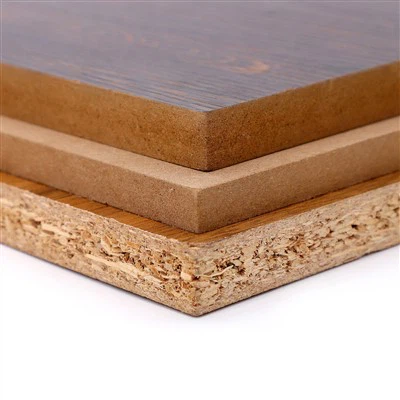
In the world of construction, furniture manufacturing, and packaging, plain chipboard stands as a versatile and widely used material. As a reputable plain chipboard supplier, I've witnessed firsthand how the weight of this material can significantly impact its various applications. In this blog post, we'll delve into the science behind the weight of plain chipboard and explore how it affects its use across different industries.
Understanding Plain Chipboard
Before we discuss the impact of weight, let's briefly understand what plain chipboard is. Plain chipboard, also known as particleboard, is an engineered wood product made by compressing wood chips, sawmill shavings, or other wood particles with a synthetic resin or binder. The result is a flat, rigid panel that is relatively inexpensive and easy to work with.
Plain chipboard comes in various thicknesses and densities, which directly correlate to its weight. The weight of a chipboard panel is determined by several factors, including the type of wood particles used, the amount of resin or binder, and the manufacturing process.
The Relationship Between Weight and Density
Density is a key factor that influences the weight of plain chipboard. Density is defined as the mass per unit volume of a material. In the case of chipboard, a higher density means more wood particles and binder are packed into a given volume, resulting in a heavier panel.
Higher density chipboards are generally stronger and more durable than their lower density counterparts. They can withstand greater amounts of stress and pressure without warping or breaking. This makes them ideal for applications where structural integrity is crucial, such as in furniture frames, cabinetry, and flooring.
On the other hand, lower density chipboards are lighter and more flexible. They are often used in applications where weight is a concern, such as in packaging, lightweight furniture, and interior wall panels.
Impact on Structural Applications
In structural applications, the weight of plain chipboard plays a critical role in determining its suitability. For example, in furniture manufacturing, the weight of the chipboard used in a cabinet or a bookshelf can affect its stability and durability. A heavier, higher density chipboard will provide better support for heavy items and is less likely to sag or warp over time.
In construction, the weight of chipboard can impact its installation and handling. Heavier panels may require more labor and equipment to install, which can increase the overall cost of a project. However, they also offer greater strength and stability, which can be beneficial in load-bearing applications such as flooring and roofing.
Impact on Packaging Applications
In the packaging industry, the weight of plain chipboard is a crucial consideration. Lightweight chipboard is often preferred for packaging applications because it reduces shipping costs and makes the product easier to handle. However, it must still be strong enough to protect the contents of the package during transit.
Higher density chipboards can provide better protection for fragile or heavy items. They are less likely to be damaged during handling and shipping, which can reduce the risk of product loss or damage. However, the increased weight may also result in higher shipping costs.
Impact on Interior Design Applications
In interior design, the weight of plain chipboard can affect its aesthetic appeal and functionality. Lightweight chipboards are often used in wall panels, partitions, and decorative elements because they are easy to install and can be customized to fit a variety of design styles.
Heavier chipboards can be used in more substantial furniture pieces, such as tables and desks, to provide a solid and stable base. They can also be used in flooring applications to create a durable and long-lasting surface.
Choosing the Right Weight for Your Application
When choosing the right weight of plain chipboard for your application, it's important to consider several factors, including the intended use, the load requirements, and the budget.
If you're using chipboard for a structural application, such as furniture frames or flooring, a higher density, heavier panel is generally recommended. This will ensure that the structure is strong and stable and can withstand the expected loads.
For packaging applications, a lightweight chipboard may be sufficient if the contents of the package are not too heavy or fragile. However, if you need to protect valuable or delicate items, a higher density chipboard may be a better choice.
In interior design applications, the weight of the chipboard should be chosen based on the aesthetic and functional requirements of the project. Lightweight panels are ideal for creating a modern and minimalist look, while heavier panels can add a sense of solidity and durability.
Our Product Range
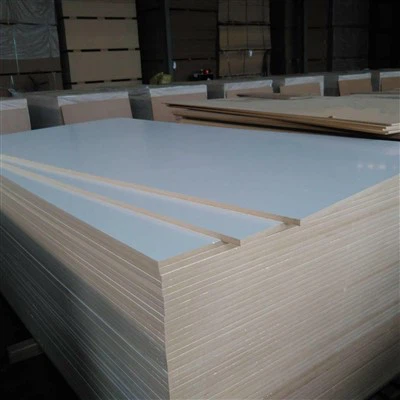
As a leading supplier of plain chipboard, we offer a wide range of products to meet the diverse needs of our customers. Our High Quality Factory Melamine Particleboard is a high-density, durable option that is suitable for a variety of structural and interior design applications.
Our White Laminated Particle Board Melamine Chipboard for Furniture is a lightweight, yet strong option that is ideal for furniture manufacturing and packaging applications.
We also offer Melamine Laminated MDF and Hdf Board, which combines the strength and durability of MDF and HDF with the aesthetic appeal of melamine.
Conclusion
In conclusion, the weight of plain chipboard has a significant impact on its use across different industries. By understanding the relationship between weight, density, and performance, you can choose the right chipboard for your specific application.


Whether you're a furniture manufacturer, a construction contractor, a packaging designer, or an interior designer, we have the expertise and products to meet your needs. Contact us today to discuss your requirements and explore our range of plain chipboard products. We look forward to working with you to find the perfect solution for your project.
References
- ASTM International. (2023). Standard Specification for Particleboard. Retrieved from [ASTM Website]
- Wood Products Manufacturers Association. (2023). Particleboard: Properties and Applications. Retrieved from [WPMA Website]
- Forest Products Laboratory. (2023). Wood Handbook: Wood as an Engineering Material. Retrieved from [FPL Website]