Hey there! As a supplier of film faced plywood, I often get asked about how the film coating protects the plywood. Well, let's dive right into it and explore this fascinating topic.
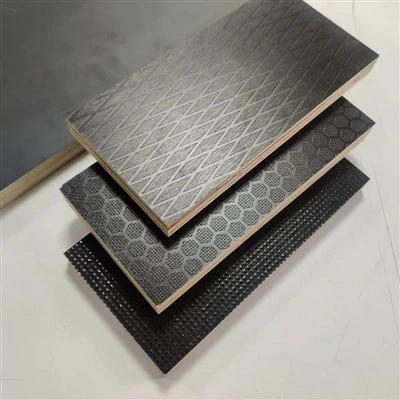
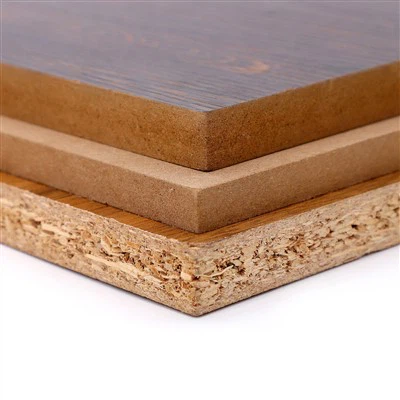
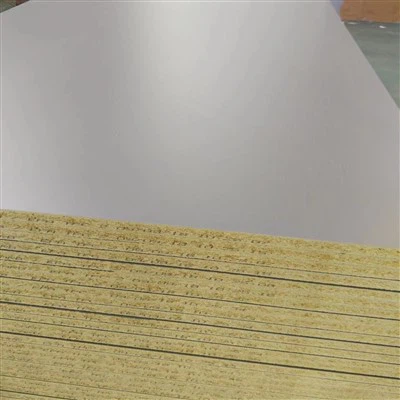
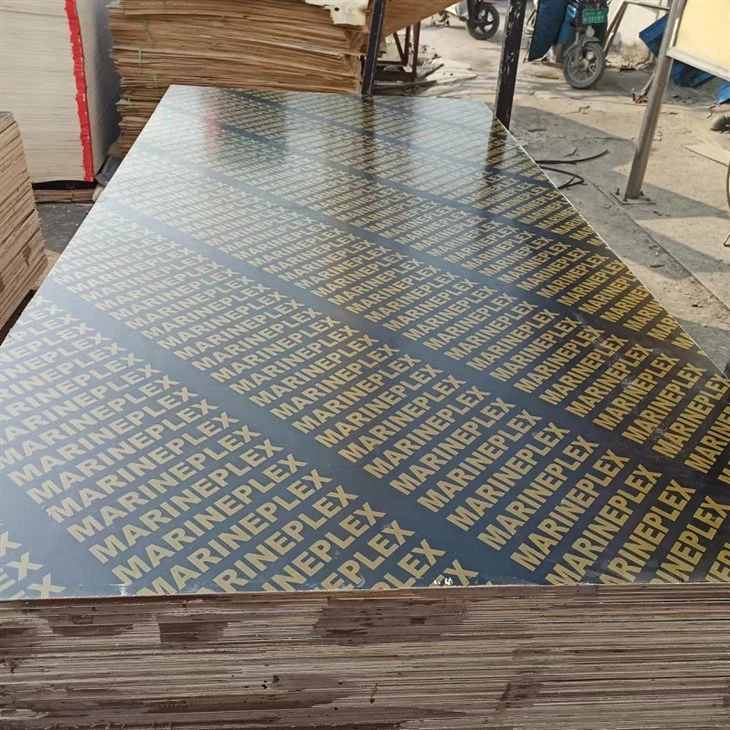
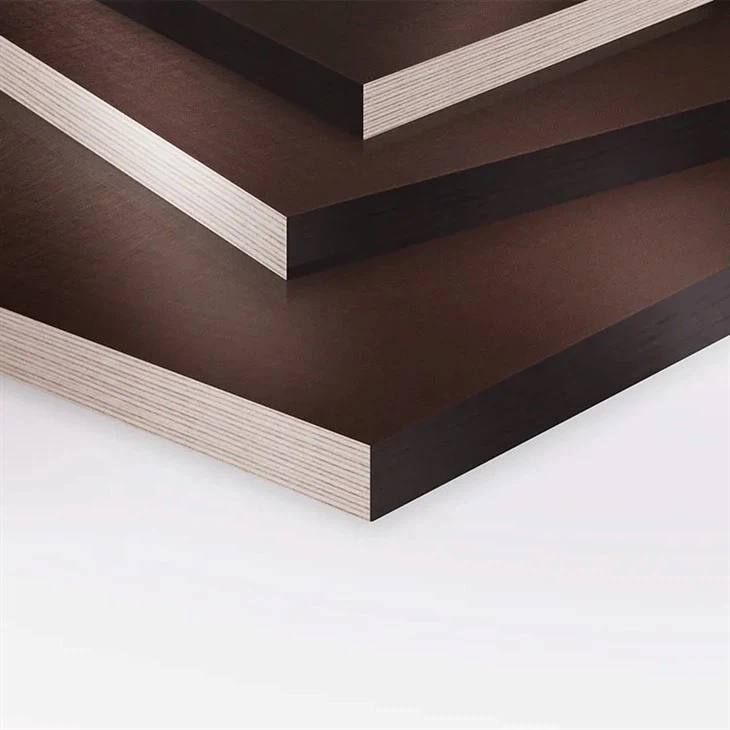
First off, what exactly is film faced plywood? It's a type of plywood that has a special film coating on one or both sides. This film is usually made of melamine or phenolic resin, which gives it some amazing properties.
Protection Against Moisture
One of the main ways the film coating protects the plywood is by acting as a barrier against moisture. Plywood, like any other wood product, can absorb water. When it does, it can swell, warp, and even rot over time. The film coating forms a tight seal on the surface of the plywood, preventing water from seeping in.
Think about it this way: if you have a piece of plywood that's going to be used in a wet environment, like a construction site where it might get rained on or come into contact with ground moisture, the film coating is like a waterproof jacket for the plywood. It keeps the water out and keeps the plywood in good shape.
For example, our Full Birch Core Film Faced Plywood has a high - quality film coating that provides excellent moisture resistance. Birch is already a strong and durable wood, and when combined with the protective film, it becomes even more reliable in wet conditions.
Resistance to Abrasion
Another important aspect of the film coating is its ability to resist abrasion. In construction and other industrial applications, plywood is often subjected to a lot of wear and tear. Tools might be dragged across it, heavy objects might be moved on it, and it could be scraped against other surfaces.
The film coating acts as a tough outer layer that can withstand this kind of abuse. It's like the armor of the plywood. The smooth surface of the film also reduces friction, which means that objects can slide across it more easily without causing damage.
Our Full Hardwood Core Film Faced Plywood is a great example. The hardwood core provides a solid base, and the film coating on top ensures that it can handle the rough and tumble of construction sites without getting scratched or dented easily.
Chemical Resistance
In some environments, plywood might come into contact with chemicals. This could be in a factory setting where there are cleaning agents, solvents, or other industrial chemicals. The film coating on our film faced plywood offers a certain level of chemical resistance.
The resin in the film coating is formulated to be resistant to many common chemicals. It prevents the chemicals from penetrating the plywood and causing damage. This is especially important because chemicals can weaken the wood fibers and reduce the strength of the plywood over time.
Protection Against UV Rays
Sunlight contains ultraviolet (UV) rays, which can be harmful to wood. UV rays can cause the wood to fade, crack, and lose its strength over time. The film coating on our plywood provides some protection against these UV rays.
It acts as a shield, blocking a significant portion of the UV radiation from reaching the wood. This helps to maintain the appearance and integrity of the plywood, even when it's exposed to sunlight for long periods.
How the Film is Applied
Now, you might be wondering how the film coating is actually applied to the plywood. Well, it's a carefully controlled process. First, the plywood is prepared by sanding the surface to make it smooth. Then, the film is glued onto the plywood using a special adhesive.
After that, the plywood goes through a pressing process. This presses the film firmly onto the plywood, ensuring a strong bond between the film and the wood. The pressure and temperature during the pressing process are carefully adjusted to get the best results.
Different Types of Film Coatings
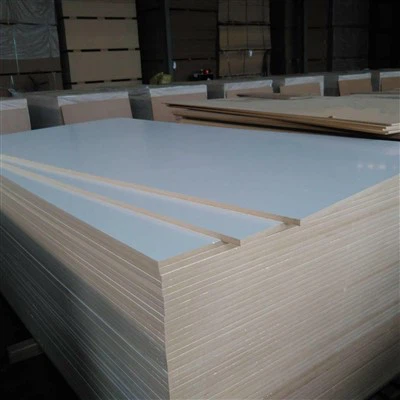
There are different types of film coatings available, and each has its own characteristics. Melamine film coatings are known for their smooth finish and good resistance to stains. They are often used in applications where appearance is important, like in furniture or interior wall panels.
Phenolic film coatings, on the other hand, are more heavy - duty. They offer better moisture and chemical resistance, making them ideal for construction and industrial applications. Our Finger Joint Core Film Faced Plywood can be coated with either type of film depending on the customer's requirements.
Long - Term Benefits
The protection provided by the film coating has some long - term benefits. For one, it extends the lifespan of the plywood. A piece of film faced plywood can last much longer than regular plywood because it's protected from the elements and wear and tear.
This means that you get more value for your money. Instead of having to replace the plywood frequently, you can use the same piece for a longer time. It also reduces the need for maintenance. You don't have to worry about treating the plywood with waterproofing agents or other protective coatings as often.
Conclusion
So, as you can see, the film coating on our film faced plywood plays a crucial role in protecting the plywood. It offers moisture resistance, abrasion resistance, chemical resistance, and protection against UV rays. Whether you're a contractor looking for reliable plywood for a construction project or a furniture maker in need of high - quality materials, our film faced plywood is a great choice.
If you're interested in learning more about our products or are thinking about making a purchase, don't hesitate to reach out. We're always here to answer your questions and help you find the right film faced plywood for your needs. Let's start a conversation and see how we can work together!
References
- Wood Handbook: Wood as an Engineering Material, Forest Products Laboratory
- Plywood Manufacturing and Quality Control, various industry publications