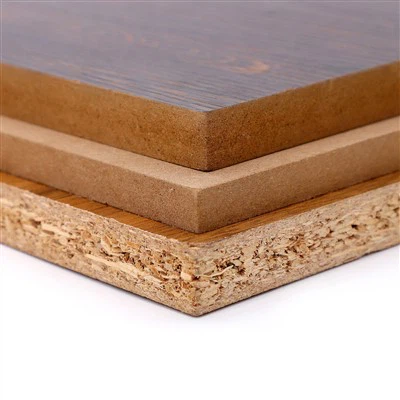
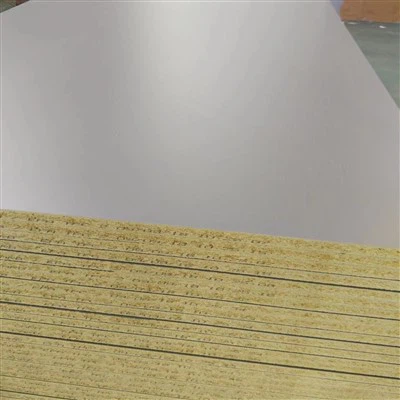
In the world of woodworking and construction, Medium - Density Fiberboard (MDF) has long been a popular choice due to its versatility, affordability, and consistent quality. As a supplier of Hmr Green MDF, I often get asked how it compares to regular MDF. In this blog post, I'll delve into the key differences and similarities between the two, helping you make an informed decision for your next project.
Composition and Manufacturing Process
Regular MDF is made by breaking down hardwood or softwood residuals into wood fibers, which are then combined with wax and a resin binder. The mixture is formed into panels under high temperature and pressure. This manufacturing process results in a dense, uniform board with a smooth surface.
On the other hand, Hmr Green MDF is an environmentally - friendly alternative. It is also made from wood fibers, but the production process of Hmr Green MDF places a greater emphasis on sustainability. The wood fibers used in Hmr Green MDF are sourced from well - managed forests, ensuring a renewable supply. Additionally, the resin binder used in Hmr Green MDF is often a low - formaldehyde or formaldehyde - free option. Formaldehyde is a known indoor air pollutant, and reducing its emission is crucial for maintaining good indoor air quality. For those who are conscious about the environmental impact of their building materials, Hmr Green MDF is a clear winner.
Physical Properties
Density and Strength
Regular MDF typically has a density ranging from 600 to 800 kg/m³, which gives it a good balance of strength and workability. It can withstand moderate stress and is suitable for a wide range of applications, from furniture making to interior wall paneling.
Hmr Green MDF generally has a similar density to regular MDF. However, its strength can vary depending on the specific manufacturing process and the type of resin used. In most cases, Hmr Green MDF offers comparable strength to regular MDF, making it also suitable for various applications. But in some high - stress situations, it's important to consult with the manufacturer to ensure that the Hmr Green MDF meets the required strength standards.
Moisture Resistance
One of the major drawbacks of regular MDF is its poor moisture resistance. When exposed to moisture, regular MDF can swell, warp, and lose its structural integrity. This makes it unsuitable for use in areas with high humidity or where it may come into contact with water, such as bathrooms and kitchens.
Hmr Green MDF often comes with improved moisture - resistant properties. Some Hmr Green MDF products are treated with special water - repellent agents during the manufacturing process. This treatment helps to reduce the absorption of moisture, making Hmr Green MDF more suitable for use in damp environments. However, it's important to note that even moisture - resistant Hmr Green MDF is not completely waterproof, and proper sealing and maintenance are still required in wet areas.
Aesthetic Appeal
Surface Finish
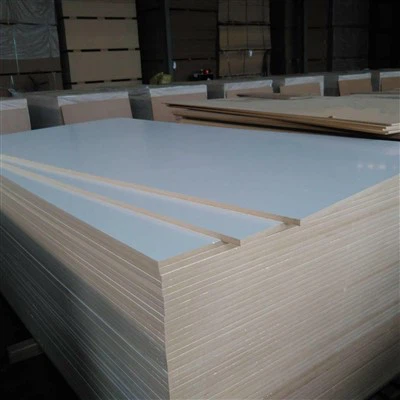
Both regular MDF and Hmr Green MDF have a smooth and uniform surface, which makes them ideal for painting, veneering, or laminating. They can be easily customized to achieve the desired look for your project.
However, Hmr Green MDF may offer a slightly better surface finish in some cases. Since it is often made with higher - quality wood fibers and a more advanced manufacturing process, the surface of Hmr Green MDF can be even smoother and more consistent, resulting in a better - looking final product. Whether you're creating a High Glossy MDF finish or applying a veneer, Hmr Green MDF can provide a more professional and polished appearance.
Color and Grain
Regular MDF usually has a neutral color, which can vary from light brown to cream. It has no natural wood grain, but this can be an advantage in some projects where a uniform and consistent look is desired.
Hmr Green MDF also has a similar color range, but because of its sustainable sourcing, the wood fibers may have a slightly different color tone in some cases. This can add a unique and natural touch to your project. And just like regular MDF, Hmr Green MDF can be stained or painted to achieve the desired color.
Cost
Cost is an important factor in any construction or woodworking project. Regular MDF is generally more affordable than Hmr Green MDF. The lower cost of regular MDF is due to its more traditional manufacturing process and the use of less expensive raw materials.
However, the price difference between regular MDF and Hmr Green MDF is narrowing. As the demand for sustainable building materials increases, the production of Hmr Green MDF has become more efficient, leading to a decrease in its cost. Additionally, when considering the long - term benefits of Hmr Green MDF, such as its improved moisture resistance and environmental friendliness, the slightly higher upfront cost may be justified.
Applications
Furniture Making
Both regular MDF and Hmr Green MDF are widely used in furniture making. Regular MDF is a popular choice for budget - friendly furniture due to its low cost. It can be used to make cabinets, shelves, and tables.
Hmr Green MDF is increasingly being used in high - end furniture production. Its environmental friendliness and improved physical properties make it an attractive option for customers who are willing to pay a premium for quality and sustainability. For example, in the production of High Quality Mdf Board furniture, Hmr Green MDF can provide a better - looking and more durable product.
Interior Decoration
In interior decoration, regular MDF is commonly used for wall paneling, ceiling tiles, and decorative moldings. Its smooth surface and ease of customization make it a versatile material for creating unique interior designs.
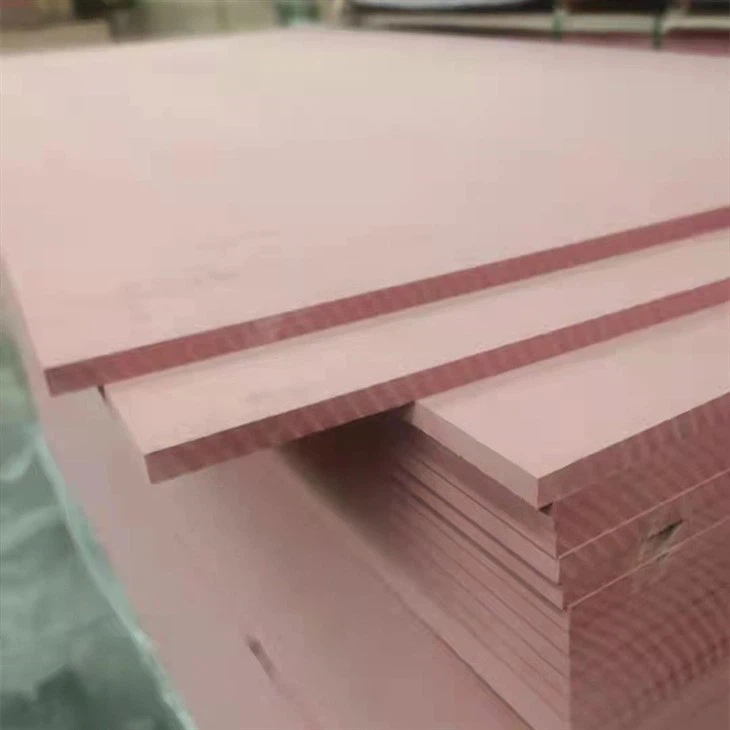
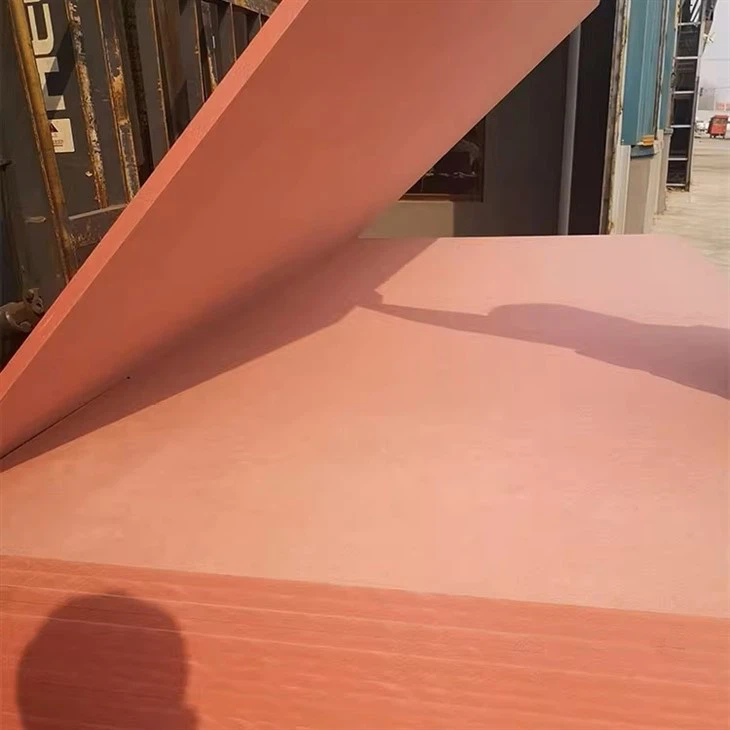
Hmr Green MDF is also a great choice for interior decoration, especially in commercial buildings and residential spaces where indoor air quality is a concern. Its moisture - resistant properties also make it suitable for use in areas such as laundry rooms and basements. For fire - safety conscious projects, Red Fire Rated MDF options of Hmr Green MDF can be considered.
Environmental Impact
Regular MDF has a relatively high environmental impact. The use of formaldehyde - based resins in its production can release harmful chemicals into the environment during manufacturing and use. Additionally, the sourcing of wood fibers may not always be sustainable, leading to deforestation and other environmental problems.
Hmr Green MDF is designed to minimize its environmental impact. It is made from sustainably sourced wood fibers, and the use of low - formaldehyde or formaldehyde - free resins reduces the emission of harmful pollutants. By choosing Hmr Green MDF, you are not only getting a high - quality building material but also contributing to a more sustainable future.
Conclusion
In conclusion, both regular MDF and Hmr Green MDF have their own advantages and disadvantages. Regular MDF is a cost - effective option with good workability, but it has limitations in terms of moisture resistance and environmental impact. Hmr Green MDF, on the other hand, offers improved moisture resistance, better environmental friendliness, and in some cases, a superior aesthetic appeal.
If you're working on a budget - conscious project in a dry environment and environmental concerns are not a top priority, regular MDF may be the right choice for you. However, if you're looking for a high - quality, sustainable, and moisture - resistant material for your project, especially in areas with high humidity or where indoor air quality is important, Hmr Green MDF is definitely worth considering.
If you're interested in learning more about Hmr Green MDF or would like to discuss your specific project requirements, please feel free to contact us. We're here to help you make the best choice for your next project.
References
- Wood Handbook: Wood as an Engineering Material, Forest Products Laboratory
- Building Materials: Properties, Selection, and Use, by David Croll