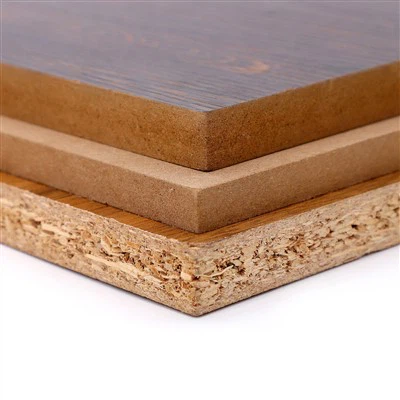
High - density medium - density fiberboard (MDF) has gained significant popularity in various construction and interior design applications. As a high - density MDF supplier, I am often asked about its performance in terms of sound insulation. In this blog, we will delve into the science behind how high - density MDF performs as a sound - insulating material.
Understanding Sound Insulation Basics
Before we discuss the performance of high - density MDF, it's essential to understand the basic principles of sound insulation. Sound is a mechanical wave that travels through air, solids, or liquids. When sound waves encounter a material, several things can happen: they can be reflected off the surface, absorbed by the material, or transmitted through it. The goal of sound insulation is to minimize the transmission of sound waves from one side of a material to the other.
The effectiveness of a material's sound insulation is measured by its Sound Transmission Class (STC) rating. The STC rating is a single - number index that represents how well a material or assembly reduces airborne sound. A higher STC rating indicates better sound insulation. For example, a material with an STC rating of 50 will block more sound than a material with an STC rating of 30.
Properties of High - Density MDF Affecting Sound Insulation
Density
As the name suggests, high - density MDF has a higher density compared to standard MDF. Density plays a crucial role in sound insulation. Generally, the denser a material is, the more mass it has per unit volume. Sound waves have a harder time passing through a material with more mass because they need to transfer more energy to move the molecules of the material. High - density MDF typically has a density ranging from 800 kg/m³ to 900 kg/m³, which is significantly higher than standard MDF, which usually has a density of around 600 kg/m³ to 700 kg/m³. This increased density allows high - density MDF to better resist the passage of sound waves, resulting in improved sound insulation.
Fiber Structure
High - density MDF is made from wood fibers that are compressed and bonded together under high pressure and temperature. The tightly packed fiber structure of high - density MDF also contributes to its sound - insulating properties. The fibers act as barriers that disrupt the path of sound waves. When sound waves enter the material, they bounce off the fibers, causing the waves to scatter and lose energy. This scattering and energy loss reduce the amount of sound that can be transmitted through the material.
Homogeneity
Another advantage of high - density MDF is its homogeneity. Unlike natural wood, which can have variations in density and structure due to grain patterns and knots, high - density MDF has a uniform composition throughout. This uniformity ensures consistent sound - insulating performance across the entire panel. Sound waves are less likely to find weak spots or channels through which they can easily pass, further enhancing the overall sound insulation of the material.
Real - World Performance of High - Density MDF in Sound Insulation
In Residential Buildings
In residential settings, high - density MDF can be used in various applications to improve sound insulation. For example, it can be used as wall panels in bedrooms, home theaters, or home offices. By installing high - density MDF on interior walls, homeowners can reduce the amount of noise that enters or leaves these rooms. This is especially beneficial in urban areas where external noise from traffic, construction, or neighbors can be a nuisance.
In addition, high - density MDF can be used in flooring applications. When installed as an underlayment or as part of a floating floor system, it can help to reduce impact noise, such as footsteps or the sound of furniture being moved. This can make living spaces more comfortable and peaceful.
In Commercial Buildings
Commercial buildings also benefit from the sound - insulating properties of high - density MDF. In offices, high - density MDF partitions can be used to create private workspaces and reduce noise distractions. In restaurants and cafes, it can be used on walls and ceilings to absorb sound and create a more pleasant dining environment. In educational institutions, high - density MDF can be used in classrooms and auditoriums to improve acoustics and reduce noise interference.
Comparing High - Density MDF with Other Sound - Insulating Materials
Compared to Standard MDF
As mentioned earlier, high - density MDF has a higher density than standard MDF, which gives it better sound - insulating properties. Standard MDF may be suitable for some light - duty applications where sound insulation is not a primary concern. However, for applications where noise reduction is important, high - density MDF is a better choice.
Compared to Gypsum Board
Gypsum board is a commonly used material for interior walls and ceilings. While gypsum board has some sound - insulating properties, high - density MDF generally performs better in terms of sound insulation. High - density MDF has a higher density and a more uniform structure, which allows it to block more sound. Additionally, high - density MDF can be more durable and resistant to damage compared to gypsum board.
Compared to Acoustic Panels
Acoustic panels are specifically designed for sound absorption and insulation. They are often made from materials such as fiberglass or mineral wool. While acoustic panels may have superior sound - insulating performance in some cases, high - density MDF offers a more cost - effective and aesthetically pleasing alternative. High - density MDF can be easily painted, laminated, or veneered to match the interior design of a space, making it a popular choice for both residential and commercial applications.
Applications and Installation Considerations for Sound Insulation
Applications
High - density MDF can be used in a wide range of applications for sound insulation. Some common applications include:
- Wall Panels: As mentioned earlier, high - density MDF wall panels can be used to reduce noise transmission between rooms. They can be installed directly on the wall studs or over an existing wall surface.
- Ceiling Tiles: High - density MDF ceiling tiles can help to absorb sound and improve the acoustics of a room. They can be installed using a suspended ceiling system or directly attached to the ceiling joists.
- Door Cores: High - density MDF can be used as the core material for interior doors. This can improve the sound insulation of the doors and make them more durable.
Installation Considerations
Proper installation is crucial for achieving optimal sound insulation performance with high - density MDF. Here are some installation tips:
- Seal the Edges: When installing high - density MDF panels, it's important to seal the edges to prevent sound leakage. Use acoustic sealant or caulk to seal the joints between the panels and around the perimeter of the installation.
- Use Acoustic Underlayment: If using high - density MDF for flooring applications, consider using an acoustic underlayment. The underlayment can further reduce impact noise and improve the overall sound insulation of the floor.
- Install in Multiple Layers: For maximum sound insulation, consider installing high - density MDF in multiple layers. Each layer adds an additional barrier to sound transmission, increasing the overall effectiveness of the sound insulation.
Conclusion and Call to Action
In conclusion, high - density MDF performs well in terms of sound insulation due to its high density, tight fiber structure, and homogeneity. It offers a cost - effective and versatile solution for reducing noise in both residential and commercial buildings. Whether you are looking to create a quiet home theater, a private office space, or a comfortable living environment, high - density MDF can be an excellent choice.
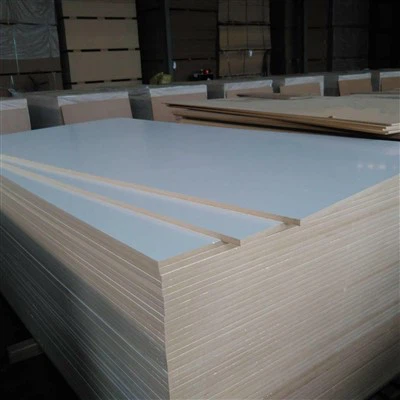
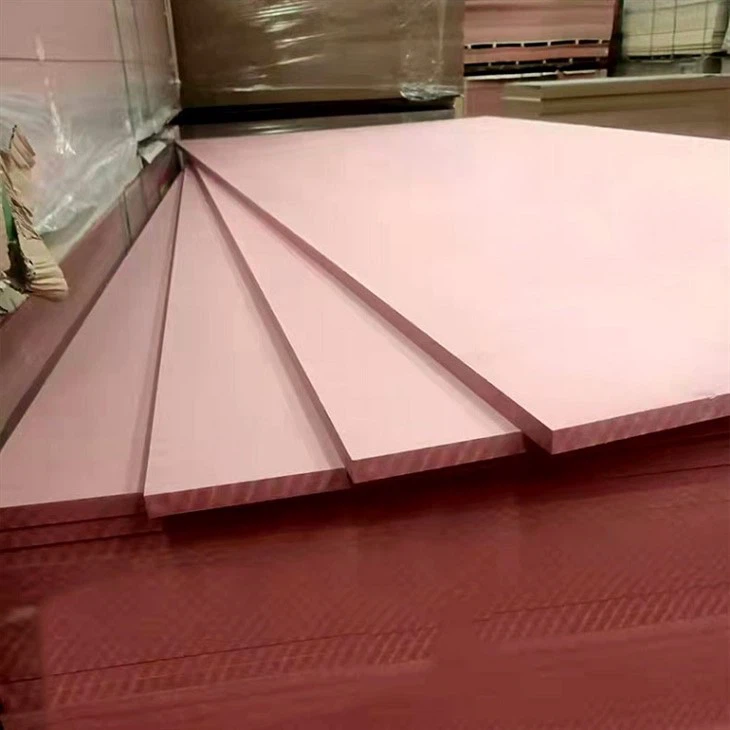
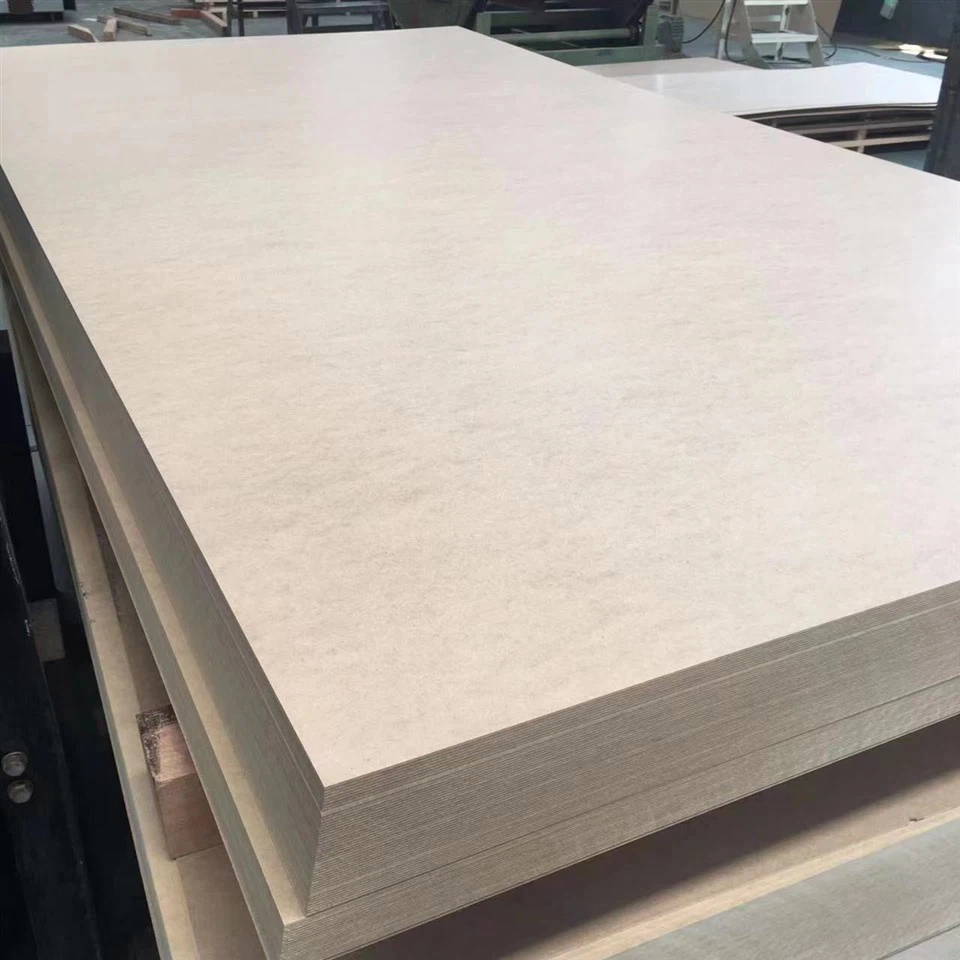
If you are interested in purchasing high - density MDF for your sound - insulation needs, we offer a variety of products, including Red Fire Rated MDF, Good Quality MDF Board, and MDF Board Sheet. Our high - density MDF products are manufactured to the highest standards and are available in different sizes and thicknesses to meet your specific requirements.
Contact us today to discuss your project and get a quote. We look forward to working with you to achieve the best sound - insulation results.
References
- Beranek, Leo L. "Acoustics." American Institute of Physics, 1986.
- Fahy, Frank J. "Foundations of Engineering Acoustics." Academic Press, 2001.
- Cremer, L., Heckl, M., & Ungar, E. E. "Structure - Borne Sound: Structural Vibrations and Sound Radiation at Audio Frequencies." Springer, 1988.