Coastal areas present a unique set of environmental challenges for building materials. High humidity, saltwater exposure, and strong winds are just a few of the factors that can significantly impact the performance and longevity of construction materials. As a supplier of Acoustic WPC (Wood - Plastic Composite) Panels, I've witnessed firsthand the growing demand for materials that can withstand these harsh coastal conditions while also providing excellent acoustic properties. In this blog, I'll delve into how Acoustic WPC Panels perform in coastal areas.
Resistance to Humidity
One of the most prominent features of coastal areas is the high level of humidity. Traditional wood panels are highly susceptible to moisture absorption, which can lead to warping, swelling, and the growth of mold and mildew. Acoustic WPC Panels, on the other hand, are engineered to resist moisture effectively.
The plastic component in WPC panels acts as a barrier against water penetration. This plastic matrix encapsulates the wood fibers, preventing them from coming into direct contact with moisture. As a result, Acoustic WPC Panels maintain their structural integrity even in the humid coastal air. Studies have shown that WPC materials can have a water absorption rate as low as 1 - 3%, compared to natural wood, which can absorb up to 20% or more of its weight in water.
This resistance to humidity not only ensures the long - term stability of the panels but also helps in maintaining their acoustic performance. Warped or swollen panels can disrupt the sound - absorbing properties of the material. Since Acoustic WPC Panels remain dimensionally stable, they continue to provide consistent sound insulation, reducing noise from the ocean waves, sea breezes, and other coastal ambient sounds.
Saltwater Resistance
Saltwater is a corrosive agent that can cause significant damage to many building materials. In coastal areas, salt spray from the ocean can settle on surfaces, accelerating the corrosion process. For metal components or untreated wood, this can lead to rapid deterioration.
Acoustic WPC Panels are highly resistant to saltwater corrosion. The plastic in the composite material is non - reactive to salt, and the wood fibers are protected within the plastic matrix. This means that even when exposed to salt spray, the panels do not rust, rot, or degrade as quickly as other materials.
However, it's important to note that while Acoustic WPC Panels are resistant to saltwater, prolonged and direct immersion in saltwater should be avoided. If the panels are installed in an area where they may come into contact with splashing saltwater, proper sealing and maintenance can further enhance their durability. For example, applying a protective coating can provide an additional layer of defense against saltwater damage.
Wind Resistance
Coastal areas are often prone to strong winds, especially during storms and hurricanes. Building materials need to be able to withstand these high - velocity winds without being damaged or dislodged. Acoustic WPC Panels are designed to be strong and durable, with good wind - resistance capabilities.
The composite nature of WPC panels gives them a high strength - to - weight ratio. They are lighter than solid wood panels but still possess sufficient strength to resist wind forces. When properly installed, using the right fasteners and installation techniques, Acoustic WPC Panels can remain securely in place even during strong coastal winds.

In addition, the flexibility of WPC materials allows them to absorb some of the energy from the wind, reducing the risk of cracking or breaking. This is particularly important in areas where wind gusts can be unpredictable. The panels can bend slightly under the force of the wind and then return to their original shape, minimizing the potential for damage.
Acoustic Performance in Coastal Settings
In coastal areas, there are various sources of noise, such as the crashing of waves, seagulls, and the howling of the wind. Acoustic WPC Panels are designed to effectively reduce this noise, creating a more peaceful indoor environment.
The panels are engineered with a porous structure that helps to absorb sound waves. When sound waves hit the surface of the panel, they enter the pores and are converted into heat energy, reducing the amount of sound that is reflected back into the room. This is especially beneficial in coastal homes or commercial buildings, where the constant noise from the ocean can be a nuisance.
The acoustic performance of Acoustic WPC Panels is not affected by the coastal environment. As mentioned earlier, their resistance to humidity and saltwater ensures that the porous structure remains intact, allowing the panels to continue absorbing sound effectively over time. Whether it's a beachfront vacation home or a coastal office building, Acoustic WPC Panels can provide a quiet and comfortable interior space.
Installation and Maintenance in Coastal Areas
Proper installation is crucial for the performance of Acoustic WPC Panels in coastal areas. When installing the panels, it's important to leave a small gap between the panels and the wall or other structures to allow for expansion and contraction due to temperature and humidity changes. This helps to prevent warping and cracking.
In terms of maintenance, Acoustic WPC Panels are relatively low - maintenance. Regular cleaning with a mild detergent and water can remove salt spray, dirt, and other debris. It's also a good idea to inspect the panels periodically for any signs of damage, such as scratches or loose fasteners. If any damage is detected, it can be repaired quickly to prevent further deterioration.
Product Range and Applications
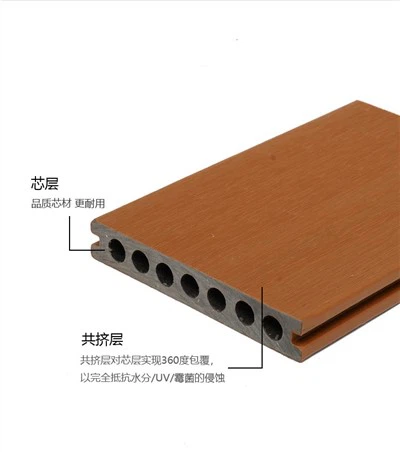
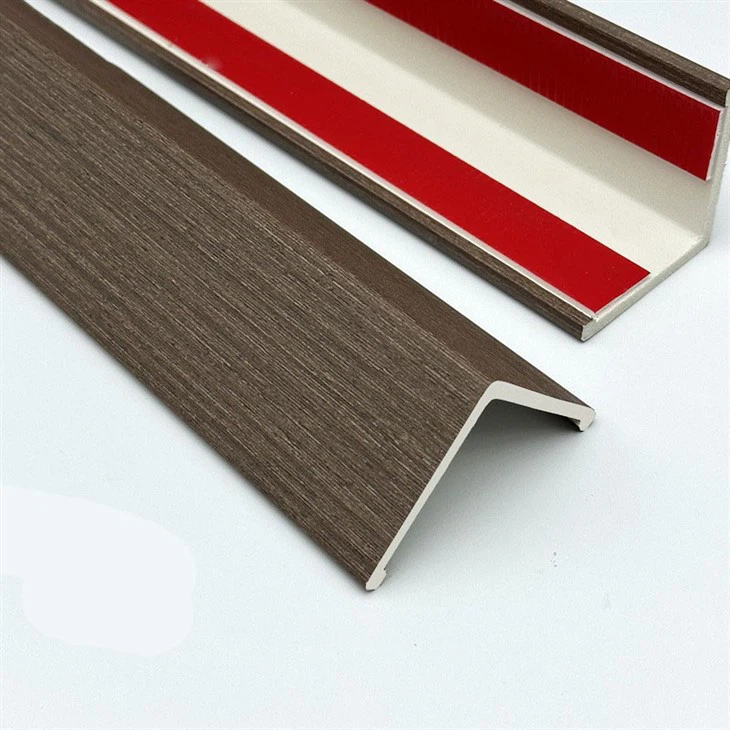
As a supplier, we offer a wide range of Acoustic WPC Panels, including Wall Panel WPC, WPC Timber Tubes, and Moulding and Skirting. These products can be used in various coastal applications, such as interior wall cladding in beach houses, acoustic partitions in coastal restaurants, and decorative elements in ocean - side resorts.
Conclusion
Acoustic WPC Panels offer an excellent solution for coastal construction projects. Their resistance to humidity, saltwater, and wind, combined with their superior acoustic performance, make them an ideal choice for buildings in coastal areas. Whether you're looking to build a new coastal home or renovate an existing one, Acoustic WPC Panels can provide the durability and comfort you need.
If you're interested in learning more about our Acoustic WPC Panels or discussing a potential project, I encourage you to reach out. We're here to help you find the best solutions for your coastal construction needs.
References
- "Wood - Plastic Composites: Materials, Processing, and Products" by Anil N. Netravali and Arun K. Mohanty.
- "Building Materials for Coastal Environments" by the American Society of Civil Engineers.
- Research papers on the performance of WPC materials in high - humidity and salt - exposed conditions from scientific journals such as "Composites Part B: Engineering".