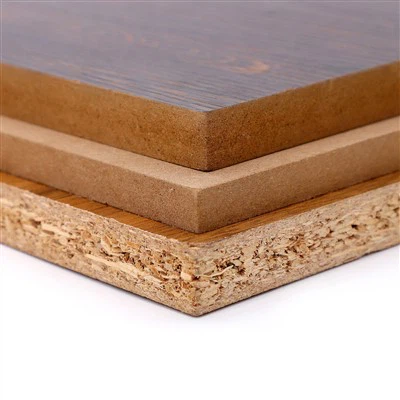
Hey there! I'm a supplier of WPC wall panels, and I'm super excited to share with you how these awesome panels are made. WPC, which stands for Wood Plastic Composite, is a revolutionary material that combines the best of wood and plastic. It's durable, eco - friendly, and looks great on any wall. So, let's dive right into the manufacturing process!


Step 1: Material Selection
The first step in making WPC wall panels is choosing the right materials. We use a combination of wood fibers and thermoplastics. The wood fibers can come from various sources like sawdust, wood chips, or recycled wood. These wood fibers give the panels a natural look and feel.
On the plastic side, we usually opt for polyethylene (PE), polypropylene (PP), or polyvinyl chloride (PVC). These plastics are chosen for their durability, flexibility, and resistance to moisture. We make sure to source high - quality materials to ensure the final product meets our high standards. By using recycled wood and plastics, we're also doing our part for the environment.
Step 2: Mixing the Ingredients
Once we have our wood fibers and plastics ready, it's time to mix them together. This is a crucial step as the proper mixing ensures a uniform composition of the WPC material. We use specialized mixing machines that can handle large quantities of materials.
During the mixing process, we also add some additives. These additives can include UV stabilizers to protect the panels from sun damage, fire retardants for safety, and colorants to give the panels their desired hue. The mixing is done at a specific temperature and speed to make sure all the ingredients are well - combined. It's like baking a cake, but instead of flour and sugar, we're using wood and plastic!
Step 3: Extrusion
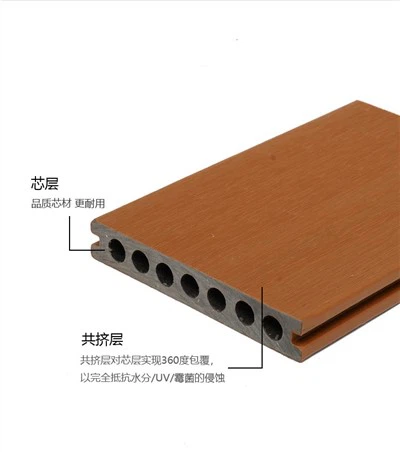
After the materials are thoroughly mixed, it's time for extrusion. Extrusion is the process of forcing the mixed material through a die to create the desired shape of the wall panel. The die is a specially designed tool that gives the panel its unique profile.
We heat the mixed material to a specific temperature to make it soft and malleable. Then, we use a powerful extruder to push the material through the die. As the material comes out of the die, it takes on the shape of the panel. The extrusion process is continuous, which means we can produce long lengths of panels efficiently.
Step 4: Cooling and Cutting
Once the panels are extruded, they're still hot and need to be cooled down. We use a cooling system, usually a water - based cooling tank or a series of fans, to rapidly cool the panels. Cooling is important because it helps the panels retain their shape and solidify.
After the panels are cooled, we cut them to the desired length. We use precision cutting machines to ensure that each panel is cut accurately. The cut panels are then inspected for any defects. If there are any panels that don't meet our quality standards, they're either recycled or discarded.
Step 5: Surface Treatment
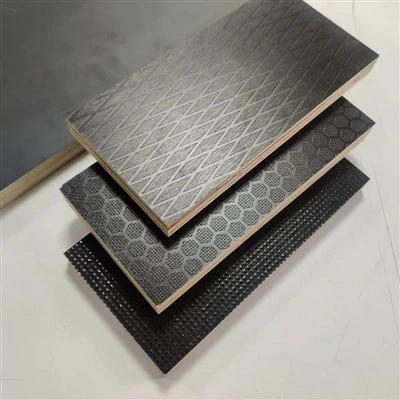
To enhance the appearance and performance of the WPC wall panels, we perform a surface treatment. There are several surface treatment options available. One common treatment is embossing, where we use a textured roller to create a wood - like grain on the surface of the panel. This gives the panel a more natural and authentic look.
We can also apply a protective coating to the panels. This coating can protect the panels from scratches, stains, and moisture. Some of our clients prefer a glossy finish, while others like a matte look. We can customize the surface treatment according to our clients' preferences.
Step 6: Quality Control
Throughout the manufacturing process, we have a strict quality control system in place. We test the panels for various properties such as strength, durability, and dimensional accuracy. We use advanced testing equipment to ensure that the panels meet or exceed industry standards.
For example, we test the panels' resistance to impact, bending, and moisture. We also check the color consistency and surface finish. Only after the panels pass all the quality tests are they ready to be packaged and shipped to our customers.
Different Types of WPC Wall Panels
We offer a variety of WPC wall panels to meet different customer needs. For those who are looking for panels with sound - absorbing properties, we have the Acoustic Wpc Panel. These panels are great for rooms like home theaters, recording studios, or offices where noise reduction is important.
If you need panels that provide good insulation, our PU Sandwich Wall Panel is a great choice. The PU (Polyurethane) core in these panels offers excellent thermal insulation, which can help in reducing energy costs.
And for high - density options, we have the products from our High Density Indoor Pvc Wall Panel Factory. These panels are very strong and durable, making them suitable for high - traffic areas.
Why Choose Our WPC Wall Panels?
There are several reasons why you should choose our WPC wall panels. First of all, they're eco - friendly. Since we use recycled materials in the manufacturing process, we're reducing waste and conserving natural resources.
Secondly, our panels are very durable. They can withstand harsh weather conditions, moisture, and pests. Unlike traditional wood panels, they won't rot, warp, or be eaten by termites.
Thirdly, they're easy to install. Our panels come with a simple interlocking system, which means you can install them yourself without the need for professional help. And they're available in a wide range of colors and styles, so you can find the perfect panel to match your interior design.
Contact Us for Procurement
If you're interested in our WPC wall panels, whether it's for a small home renovation project or a large commercial building, don't hesitate to get in touch. We're always ready to discuss your specific requirements and provide you with the best solutions. You can reach out to us to start the procurement process and get the high - quality WPC wall panels you need.
References
- Wood Plastic Composite Handbook by John L. Lyons
- Handbook of Thermoplastics by O. Olabisi