As a seasoned supplier of Melamine Chipboard, I often encounter a common question from our clients and potential buyers: "Does Melamine Chipboard scratch easily?" This is a crucial concern, especially when considering the long - term durability and aesthetic appeal of furniture and interior applications. In this blog, I'll delve into the factors that affect the scratch resistance of Melamine Chipboard, compare it with other types of chipboards, and provide practical advice on maintaining its surface.
Understanding Melamine Chipboard
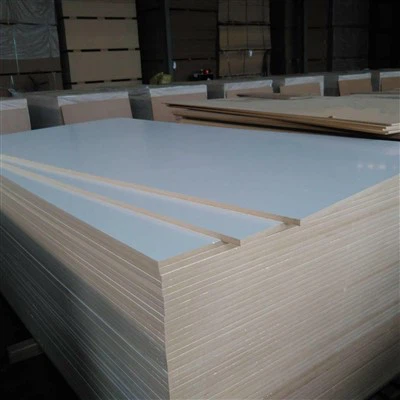
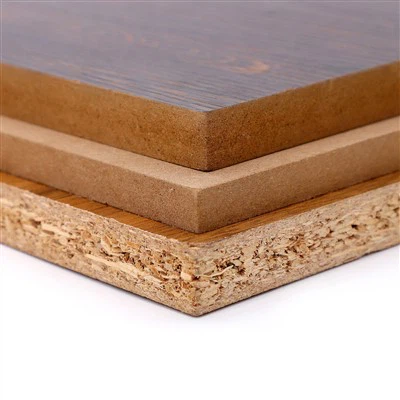
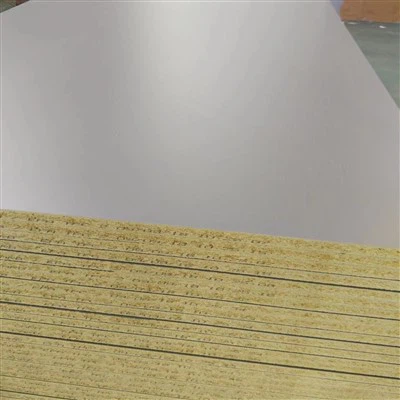
Melamine Chipboard is a popular engineered wood product made by bonding a layer of melamine resin-impregnated paper to a particleboard core. The melamine surface gives the board an attractive, smooth finish that resembles natural wood, laminate, or other materials. It comes in a wide range of colors, patterns, and textures, making it a versatile choice for various applications, including kitchen cabinets, wardrobes, desks, and wall panels.
The manufacturing process of Melamine Chipboard plays a significant role in determining its scratch resistance. High - quality melamine paper, which is densely impregnated with resin, forms a hard and durable surface layer. The particleboard core also needs to be well - bonded and of consistent density to provide a stable base for the melamine layer. When these elements are combined effectively, the resulting Melamine Chipboard can withstand normal wear and tear.
Factors Affecting Scratch Resistance
- Quality of Melamine Resin: The type and quality of melamine resin used in the manufacturing process have a direct impact on scratch resistance. Higher - grade melamine resins are more resistant to abrasion and scratching. They form a tougher surface layer that can better withstand sharp objects and friction. For example, some premium Melamine Chipboards use a melamine resin with a high cross - linking density, which creates a more rigid and scratch - resistant surface.
- Thickness of the Melamine Layer: A thicker melamine layer generally offers better scratch resistance. Thicker layers can absorb more impact and wear, protecting the underlying particleboard core. When choosing Melamine Chipboard, it's advisable to opt for products with a relatively thick melamine layer, especially for high - traffic areas or applications where the surface is likely to come into contact with sharp objects.
- Surface Finish and Texture: The finish and texture of the Melamine Chipboard can also affect its scratch resistance. Smooth, glossy surfaces may show scratches more easily than textured or matte finishes. Textured surfaces can hide minor scratches and give the appearance of a more durable product. However, it's important to note that some textures may be more prone to collecting dirt and debris, which could potentially cause scratching if not cleaned regularly.
- Usage and Maintenance: How the Melamine Chipboard is used and maintained also plays a crucial role in its scratch resistance. Avoiding dragging heavy or sharp objects across the surface, using coasters and placemats, and cleaning the surface with a soft, damp cloth can significantly extend the lifespan of the Melamine Chipboard and reduce the risk of scratching.
Comparison with Other Chipboards
- Moisture Resistant Chipboard: Moisture Resistant Chipboard is designed to resist moisture and is often used in areas with high humidity, such as bathrooms and kitchens. While it may have good moisture - proof properties, its scratch resistance may not be as high as that of Melamine Chipboard. Moisture Resistant Chipboard typically has a more basic surface finish and may not be as well - protected against scratching. However, if scratch resistance is not the primary concern and moisture protection is crucial, it can be a suitable option.
- Plain Chipboard: Plain Chipboard is a simple particleboard without a melamine surface layer. It is generally less scratch - resistant than Melamine Chipboard. The exposed particleboard surface is more vulnerable to damage from scratches, dents, and stains. Plain Chipboard is often used as a base material that is then covered with other finishing materials, such as veneer or laminate.
Practical Tips for Maintaining Scratch Resistance
- Use Protective Pads: Place felt pads or rubber feet on the bottom of furniture legs to prevent scratching when moving the furniture. This is especially important for heavy items that can cause significant damage to the floor or other surfaces.
- Clean with Care: When cleaning Melamine Chipboard, use a soft, damp cloth and a mild detergent. Avoid using abrasive cleaners or scrubbing pads, as these can scratch the surface. Wipe the surface gently in the direction of the grain to remove dirt and stains.
- Avoid Sharp Objects: Keep sharp objects, such as knives, scissors, and keys, away from the Melamine Chipboard surface. If you need to cut or work on the surface, use a cutting board or other protective barrier to prevent scratches.
Conclusion
In conclusion, whether Melamine Chipboard scratches easily depends on several factors, including the quality of the melamine resin, the thickness of the melamine layer, the surface finish, and how it is used and maintained. High - quality Melamine Chipboard with a thick melamine layer and a good surface finish can be quite resistant to scratching and provide long - lasting performance.

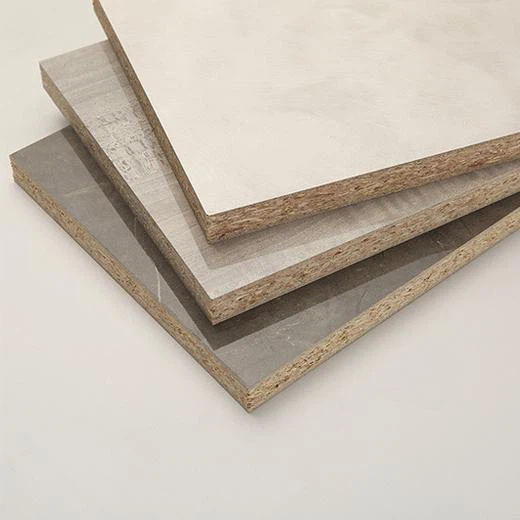
If you're in the market for Melamine Chipboard, I encourage you to explore our range of products. We offer a variety of Melamine Chipboards with different qualities, thicknesses, and finishes to meet your specific needs. Whether you're a furniture manufacturer, an interior designer, or a DIY enthusiast, we can provide you with the right Melamine Chipboard solution.
If you have any questions or would like to discuss your requirements in more detail, please feel free to reach out. We're here to assist you with your procurement and provide expert advice on choosing the best Melamine Chipboard for your project.
References
- "Engineered Wood Products: Properties and Performance" by Forest Products Laboratory
- "Wood - Based Composite Materials: Manufacturing, Properties, and Applications" by Xiping Wang