As a supplier of WPC Timber Tubes, I often encounter questions from customers regarding the long - term durability and appearance of our products. One of the most frequently asked questions is, "Do WPC Timber Tubes fade over time?" In this blog post, I will delve into this topic, exploring the factors that may contribute to fading and how we ensure the long - lasting color of our WPC Timber Tubes.
Understanding WPC Timber Tubes
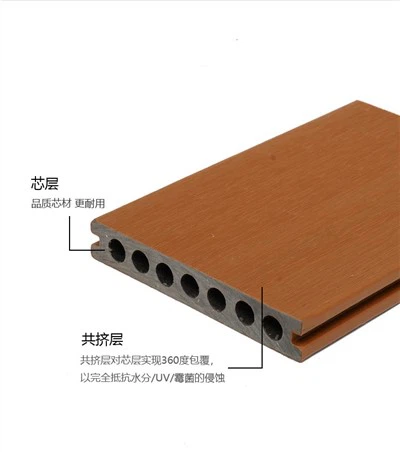
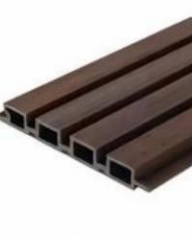
WPC, or Wood - Plastic Composite, is a material that combines wood fibers and thermoplastics. This combination results in a product that has the aesthetic appeal of wood while offering the durability and low - maintenance benefits of plastic. WPC Timber Tubes are used in a variety of applications, from interior decoration to outdoor structures. Their hollow design makes them lightweight yet strong, and they can be easily cut, drilled, and installed.
Factors That May Cause Fading
Several factors can potentially lead to the fading of WPC Timber Tubes. The most significant of these is exposure to sunlight. Ultraviolet (UV) rays from the sun can break down the chemical bonds in the pigments used to color the WPC material. Over time, this can cause the color to fade, especially if the product is not properly protected.


Another factor is environmental pollution. Pollutants in the air, such as industrial emissions and vehicle exhaust, can react with the surface of the WPC Timber Tubes. These reactions can gradually alter the color of the product, leading to a duller appearance.
In addition, harsh weather conditions can also play a role. Extreme temperatures, high humidity, and heavy rainfall can all have an impact on the color and integrity of the WPC material. For example, prolonged exposure to high humidity can cause the material to absorb moisture, which may affect the color over time.
Our Approach to Preventing Fading
At our company, we take several steps to prevent the fading of our WPC Timber Tubes. First, we use high - quality pigments that are specifically formulated to resist UV rays. These pigments are carefully selected and tested to ensure that they can withstand long - term exposure to sunlight without significant fading.
We also apply a protective coating to the surface of the WPC Timber Tubes. This coating acts as a barrier, shielding the material from UV rays, environmental pollutants, and harsh weather conditions. The coating is designed to be durable and long - lasting, providing an extra layer of protection for the product.
In addition, we conduct extensive quality control tests during the manufacturing process. Our products are tested under various conditions to simulate real - world exposure. This allows us to identify any potential issues with fading and make necessary adjustments to our manufacturing process.
Real - World Performance
To understand how our WPC Timber Tubes perform in real - world conditions, we have conducted several case studies. In one case, we installed our WPC Timber Tubes in an outdoor area that received direct sunlight for most of the day. After several years of exposure, we found that the color of the tubes had remained relatively stable. There was only a slight change in color, which was within an acceptable range.
In another case, we installed the tubes in an area with high levels of air pollution. Despite the challenging environment, the tubes maintained their color and appearance, thanks to the protective coating and high - quality pigments.
Comparing with Other Materials
When compared to traditional wood products, WPC Timber Tubes have a significant advantage in terms of color retention. Wood is prone to fading, warping, and rotting when exposed to sunlight and harsh weather conditions. In contrast, our WPC Timber Tubes are more resistant to these issues, making them a more durable and long - lasting option.
Compared to some other composite materials, our WPC Timber Tubes also offer better color stability. Some composite materials may fade more quickly due to the use of lower - quality pigments or a lack of proper protection. Our commitment to using high - quality materials and advanced manufacturing techniques ensures that our WPC Timber Tubes maintain their color for a longer period.
Applications of WPC Timber Tubes
WPC Timber Tubes have a wide range of applications. In interior design, they can be used for Moulding and Skirting, adding a touch of elegance to any room. Their hollow design also makes them suitable for hiding wires and cables, providing a clean and organized look.
For acoustic applications, Acoustic WPC Panel made from WPC Timber Tubes can be used to reduce noise levels in buildings. The unique structure of the tubes helps to absorb sound waves, making them an ideal choice for offices, theaters, and other noise - sensitive environments.
In outdoor applications, WPC Timber Tubes are commonly used for fencing, decking, and pergolas. Their resistance to fading and weathering makes them a popular choice for these outdoor structures, ensuring that they look good for years to come. You can find more details about our WPC Timber Tubes on our website.
Conclusion
In conclusion, while there is a possibility that WPC Timber Tubes may fade over time, our company takes extensive measures to prevent this from happening. Through the use of high - quality pigments, protective coatings, and rigorous quality control, we ensure that our WPC Timber Tubes maintain their color and appearance for a long time.
If you are considering using WPC Timber Tubes for your next project, we encourage you to contact us for more information. Our team of experts can provide you with detailed product specifications, samples, and pricing. We are committed to providing the highest quality products and excellent customer service. Whether you are an interior designer, a contractor, or a homeowner, we can help you find the right WPC Timber Tubes for your needs. Contact us today to start your procurement journey and discuss how our products can enhance your project.
References
- "Wood - Plastic Composites: Materials and Processing," by R. M. Rowell, J. Krzysik, and M. P. Wolcott.
- "Durability of Wood - Plastic Composites," research report from a leading materials science institute.