When considering decking options for a subtropical area, one material that often comes to mind is Wood Plastic Composite (WPC) decking. As a seasoned WPC decking supplier, I've encountered numerous questions from clients about the suitability of WPC decking in subtropical climates. In this blog, I'll delve into the science behind WPC decking and explore whether it's a viable choice for decks in subtropical regions.
Understanding Subtropical Climates
Subtropical areas are characterized by distinctive weather patterns that significantly influence building materials. Typically, these regions experience hot and humid summers, mild winters, and a relatively high annual rainfall. Prolonged exposure to intense sunlight, combined with high humidity and periodic heavy rains, poses unique challenges for outdoor construction materials. From a scientific perspective, the ultraviolet (UV) rays in sunlight can cause degradation of many materials, leading to color fading, surface cracking, and reduced structural integrity. The high moisture content in the air and the heavy rainfall can accelerate the process of corrosion, rot, and mildew growth, particularly on wood-based materials.
The Science of WPC Decking
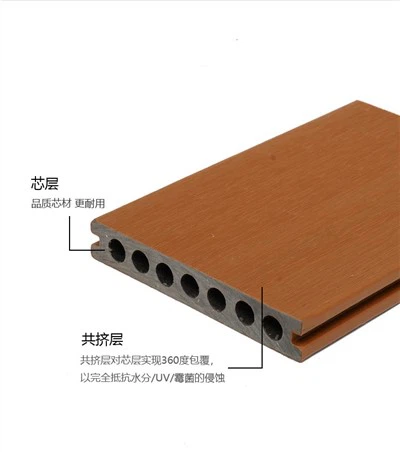
WPC decking is a composite material made by combining wood fibers or flour with plastic polymers. The manufacturing process involves carefully blending these two components under high heat and pressure, resulting in a product that combines the best of both worlds. The wood fibers provide a natural aesthetic and some of the traditional characteristics associated with wood, such as warmth and texture. Meanwhile, the plastic polymers offer enhanced durability, moisture resistance, and UV stability.
On a molecular level, the plastic polymers create a protective barrier around the wood fibers. This barrier helps to prevent water penetration, which is crucial in a subtropical environment where moisture is abundant. Additionally, the polymers can be engineered to resist UV radiation, reducing the likelihood of color fading and surface degradation over time. The combination of wood and plastic also gives WPC decking improved dimensional stability, meaning it is less prone to warping, twisting, and splitting compared to natural wood.
Advantages of Using WPC Decking in Subtropical Areas
- Moisture Resistance: One of the primary advantages of WPC decking in subtropical regions is its excellent moisture resistance. Unlike natural wood, which can absorb water and become a breeding ground for fungi and bacteria, WPC decking repels water, preventing rot and decay. This property is particularly beneficial in areas with high rainfall and humidity.
- UV Stability: The plastic component in WPC decking can be formulated to provide high UV resistance. This means that the decking will maintain its color and appearance over time, even when exposed to long periods of intense sunlight. This is a significant advantage compared to natural wood, which can fade and discolor quickly in the sun.
- Durability and Longevity: Thanks to its composite nature, WPC decking is highly durable. It is resistant to scratches, dents, and stains, making it ideal for high-traffic areas. Additionally, its resistance to moisture and UV radiation means that it has a longer lifespan than natural wood, reducing the need for frequent replacement.
- Low Maintenance: WPC decking requires minimal maintenance compared to natural wood. It does not need to be stained, painted, or sealed regularly. A simple cleaning with soap and water is usually sufficient to keep it looking like new. This is a significant advantage for homeowners in subtropical areas who may not want to spend a lot of time and money on deck maintenance.
Potential Challenges and Mitigations
- Heat Retention: One potential drawback of WPC decking in subtropical areas is its tendency to retain heat. The plastic component in the decking can absorb and store heat from the sun, making the surface hot to the touch. However, this issue can be mitigated by choosing lighter-colored decking, as lighter colors reflect more sunlight and absorb less heat. Additionally, installing the decking with proper ventilation can help to dissipate heat and keep the surface temperature more comfortable.
- Expansion and Contraction: Like all materials, WPC decking expands and contracts with changes in temperature and humidity. In a subtropical climate, where these changes can be significant, this can potentially lead to gaps or buckling in the deck. To prevent this, it is important to follow the manufacturer's installation guidelines carefully, including allowing for proper expansion joints.
Case Studies and Real-World Examples
Over the years, we've supplied WPC decking for numerous projects in subtropical areas, and the results have been overwhelmingly positive. For example, a beachfront resort in a subtropical location recently installed our WPC decking around its pool area. Despite being exposed to harsh sunlight, high humidity, and occasional saltwater spray, the decking has maintained its appearance and structural integrity for several years with minimal maintenance. The resort staff was particularly impressed with the decking's resistance to stains and scratches, which is crucial in a high-traffic area like a pool deck.
Our Product Range for Subtropical Areas
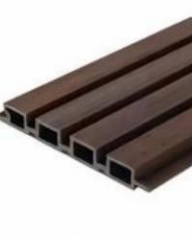
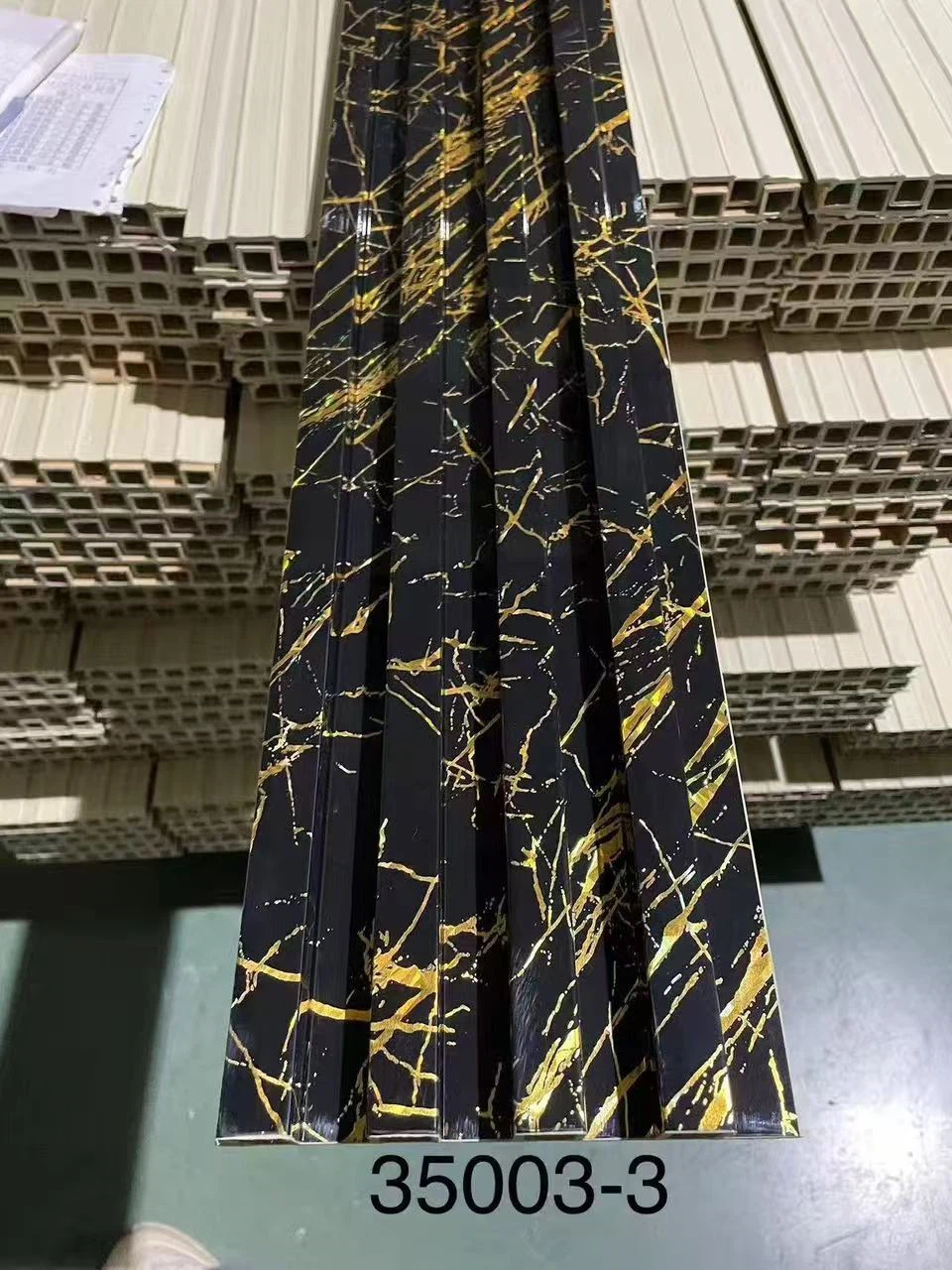
As a reliable WPC decking supplier, we offer a wide range of products specifically designed to meet the unique challenges of subtropical climates. Our WPC WALL PANEL FOR INDOOR AND OUTDOOR is not only suitable for use as a decking material but also for interior and exterior wall applications. It combines the beauty of wood with the durability of plastic, making it an excellent choice for any project in a subtropical area.
Our First Generation Decking is a classic option that offers a natural wood look and feel. It has been engineered to provide excellent UV resistance and moisture protection, ensuring long-lasting performance in harsh subtropical conditions.
For those looking for a more modern and high-performance option, our Wpc Wood Plastic Composite Wood Wpc Exterior Decking is the perfect choice. It features advanced technology that enhances its durability, color stability, and slip resistance, making it safe and practical for use in any outdoor space.
Conclusion and Call to Action
In conclusion, WPC decking is an excellent choice for decks in subtropical areas. Its moisture resistance, UV stability, durability, and low maintenance requirements make it well-suited to the unique challenges of these climates. While there are some potential challenges, such as heat retention and expansion, these can be easily mitigated with proper product selection and installation.

If you're considering a deck project in a subtropical area, I encourage you to explore our range of WPC decking products. Our team of experts is always on hand to provide advice and guidance to ensure you choose the right product for your specific needs. Whether you're a homeowner looking to enhance your outdoor living space or a contractor working on a large-scale project, we have the expertise and products to help you achieve your goals. Contact us today to start discussing your WPC decking requirements and take the first step towards creating a beautiful and durable deck in your subtropical paradise.
References
- ASTM International. (2023). Standard Specification for Wood-Plastic Composite Deck Boards. ASTM D7032-23.
- National Building Code. (2023). Building Materials and Methods Requirements in Subtropical Regions.
- Wood Plastic Composite Manufacturer's Association. (2023). Technical Guide to WPC Decking Performance in Harsh Climates.