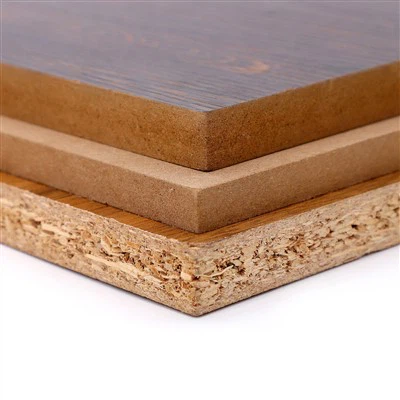
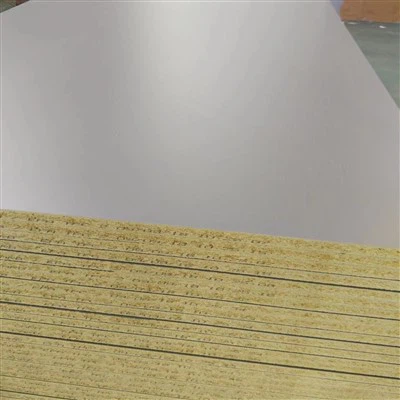
Can plain chipboard be painted? Well, you bet it can! As a supplier of plain chipboard, I've had my fair share of customers asking this very question. And let me tell you, the answer is a resounding yes. In this blog post, I'm gonna break down everything you need to know about painting plain chipboard, from the why's to the how's.
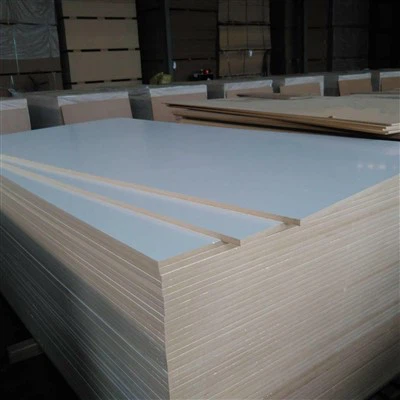
First off, let's talk about what plain chipboard is. It's a type of engineered wood made from wood chips, sawmill shavings, or even sawdust, all glued together with a resin under high pressure and temperature. It's a cost - effective and versatile material that's used in a wide range of applications, from furniture making to construction. We offer different types of chipboard, like the E0 Grade Raw Particle Board, Hollow Core Particle Board, and Good Chipboard.
So, why would you want to paint plain chipboard? There are a few good reasons. For starters, it can transform the look of the chipboard. Plain chipboard has a rather dull and industrial appearance on its own. But with a fresh coat of paint, you can turn it into something that matches your decor or design vision. Whether you're going for a sleek modern look with a bold color or a rustic charm with a distressed finish, painting chipboard gives you the creative freedom to do so.
Another reason is protection. Paint acts as a barrier between the chipboard and the environment. It can help prevent moisture from seeping into the chipboard, which can cause it to swell, warp, or rot over time. This is especially important if the chipboard is going to be used in areas with high humidity, like bathrooms or kitchens.
Now, let's get into the nitty - gritty of how to paint plain chipboard. The first step is preparation. You can't just slap paint on the chipboard and expect it to look great. Start by sanding the surface. This helps to smooth out any rough spots and gives the paint something to grip onto. You don't need to go overboard with the sanding; a light sanding with a medium - grit sandpaper should do the trick. After sanding, wipe away any dust with a clean, dry cloth.
Next, you'll want to prime the chipboard. Primer is like a base coat that helps the paint adhere better and provides an extra layer of protection. There are primers specifically designed for use on wood and chipboard. Apply the primer evenly using a brush or a roller, following the manufacturer's instructions. Let the primer dry completely. This usually takes a few hours, but it's best to wait the full recommended drying time to ensure a good finish.
Once the primer is dry, it's time to choose your paint. You have a lot of options here. Acrylic paint is a popular choice because it's easy to work with, dries quickly, and is available in a wide range of colors. Oil - based paint, on the other hand, provides a more durable finish but takes longer to dry and has a stronger odor. Consider the intended use of the painted chipboard when making your decision. If it's going to be in a high - traffic area, you might want to go for a more durable paint.
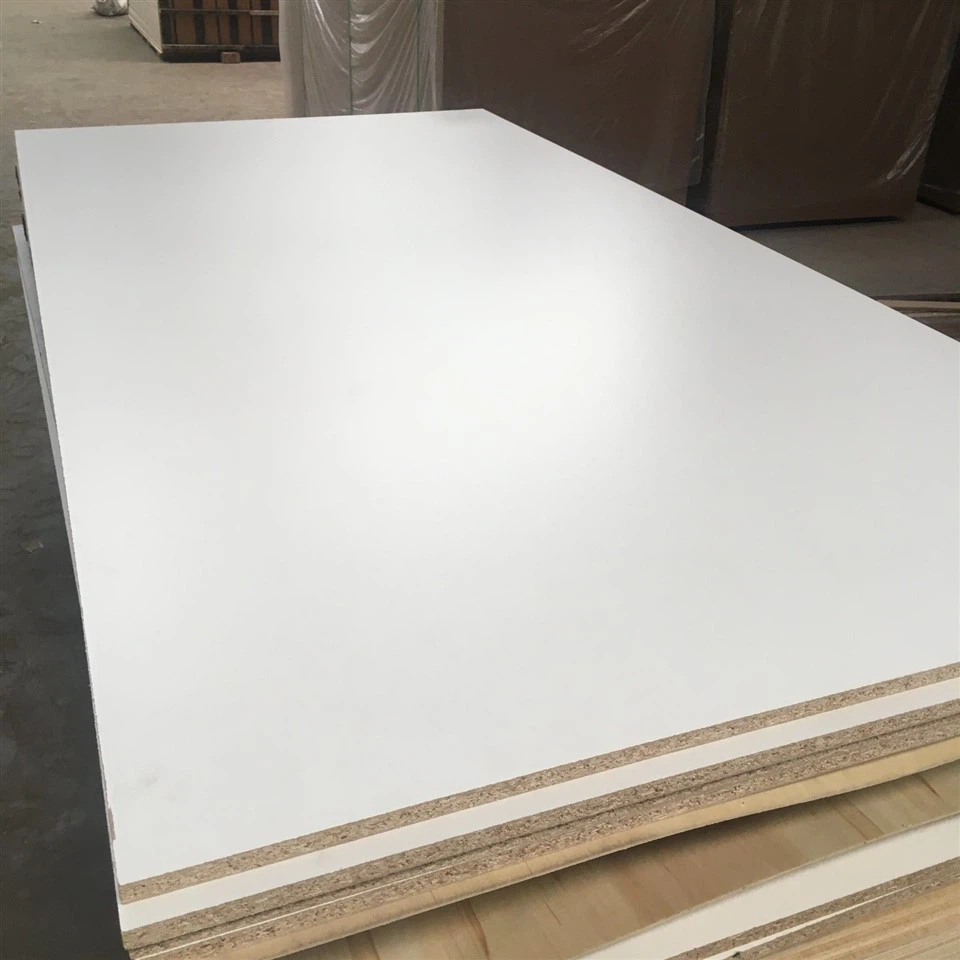

When applying the paint, start with thin, even coats. It's better to apply multiple thin coats than one thick coat. Thick coats are more likely to drip, run, or not dry properly. Use a high - quality brush or roller for the best results. After each coat, let it dry completely before applying the next one. Depending on the type of paint and the desired finish, you may need to apply two or three coats.
If you're going for a special effect, like a distressed look, there are a few techniques you can use. One common method is to apply a base coat of one color, let it dry, and then apply a top coat of a different color. Once the top coat is almost dry, use sandpaper or a sanding block to gently sand away some of the top - coat paint in areas to reveal the base color underneath. This creates a worn - in, rustic look.
After you've finished painting, give the chipboard plenty of time to cure. Curing is different from drying. Drying is when the surface of the paint is no longer wet, but curing is when the paint fully hardens and reaches its maximum durability. This can take several days, so be patient.
Now, I know what some of you might be thinking. "Is painting chipboard really worth the effort?" And my answer is yes, especially when you consider the cost savings. Chipboard is generally much cheaper than solid wood, and by painting it, you can make it look just as good, if not better. Plus, it's a fun DIY project that allows you to add a personal touch to your furniture or decor.
If you're in the market for plain chipboard for your next painting project, we've got you covered. We offer high - quality chipboard that's perfect for painting. Whether you need it for a small home - decor project or a large - scale construction job, we can provide the right quantity and type of chipboard for you.
If you have any questions about our chipboard products or need advice on painting them, don't hesitate to reach out. We're here to help you make the most of your chipboard and create something amazing. Whether you're a professional contractor or a DIY enthusiast, we're ready to assist you in your procurement process. Contact us to start a discussion about your specific needs and let's work together to bring your project to life.
References
- Woodworking magazines and online resources for general wood and chipboard painting techniques.
- Paint manufacturers' guidelines for information on primer and paint application.