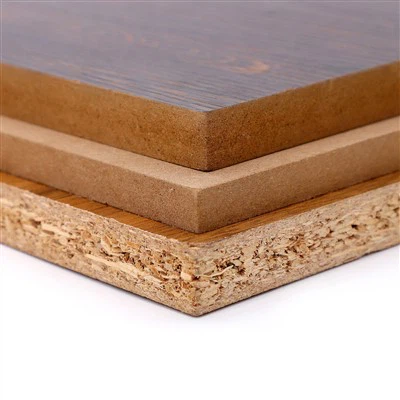
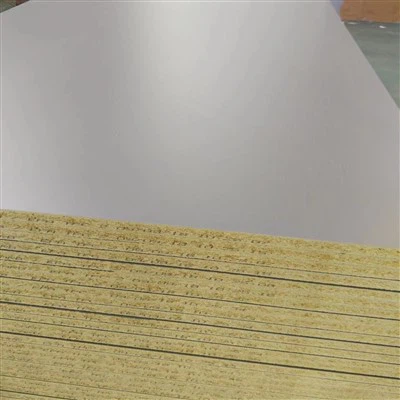
As a particle board supplier, I often receive inquiries about the suitability of particle board for various applications. One question that has come up more frequently lately is whether particle board can be used for pet houses. In this blog post, I'll explore the pros and cons of using particle board in pet house construction, discuss different types of particle board, and provide some guidance on making the right choice for your furry friends.
Advantages of Using Particle Board for Pet Houses
Cost - Effective
Particle board is generally more affordable than solid wood or other high - end building materials. This makes it an attractive option for pet owners who want to build a comfortable and functional pet house without breaking the bank. As a supplier, I've seen many customers choose particle board for its cost - effectiveness, especially when they plan to build multiple pet houses or larger structures.
Availability
Particle board is widely available in the market. You can easily find it at local hardware stores or order it directly from suppliers like me. The widespread availability means that you can start your pet house project quickly without having to wait for special orders or deal with long lead times.
Workability
Particle board is relatively easy to cut, shape, and assemble. It can be sawed, drilled, and nailed with common woodworking tools, making it a great choice for DIY pet house projects. Whether you're a seasoned woodworker or a beginner, you'll find that working with particle board is straightforward and doesn't require advanced skills.
Disadvantages of Using Particle Board for Pet Houses
Durability
Particle board is not as durable as solid wood. It is more prone to damage from moisture, scratches, and chewing. Pets, especially dogs and rabbits, may be tempted to chew on the walls of their houses, and particle board may not withstand such abuse for long. If the pet house is exposed to rain or high humidity, the particle board can swell and lose its structural integrity.
Chemicals
Some particle boards are made with adhesives that contain formaldehyde, a chemical that can be harmful to both pets and humans. When the particle board emits formaldehyde gas, it can cause respiratory problems, eye irritation, and other health issues. However, there are low - formaldehyde or formaldehyde - free particle boards available in the market, which are a safer option for pet houses.
Types of Particle Board Suitable for Pet Houses
Manufacturers' Raw Particle Board
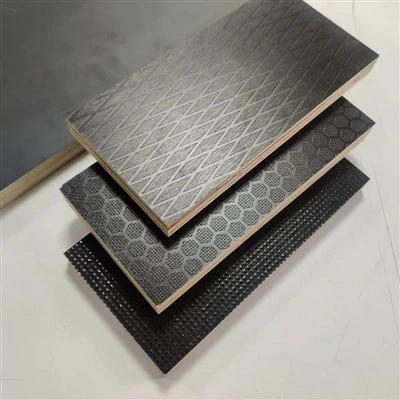
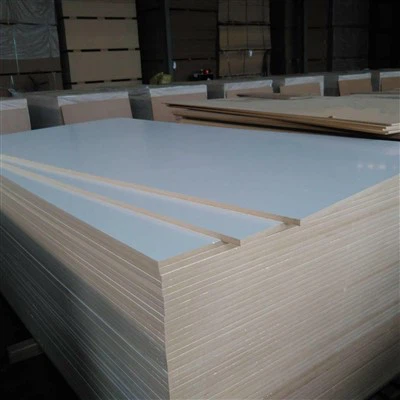
Manufacturers' Raw Particle Board is a basic type of particle board that is often used as a starting material for further processing. It is made by compressing wood particles with adhesives under high pressure. This type of particle board is relatively inexpensive and can be a good choice for pet houses if it is properly sealed and protected from moisture.
Poplar Or Hardwood Mixture Particle Board
Poplar Or Hardwood Mixture Particle Board is made from a combination of poplar and hardwood particles. This type of particle board is more durable than regular particle board and has a better appearance. It is also less likely to warp or crack, making it a good option for pet houses that need to withstand some wear and tear.
Moisture Resistant Chipboard
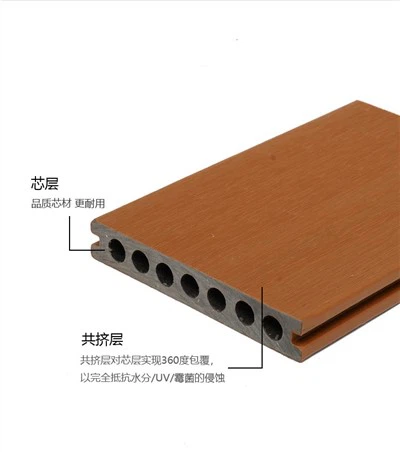
Moisture Resistant Chipboard is specially treated to resist moisture. It is coated with a water - resistant layer or impregnated with chemicals to prevent water absorption. This type of particle board is ideal for pet houses that will be placed outdoors or in areas with high humidity.
Tips for Using Particle Board in Pet House Construction
Seal the Particle Board
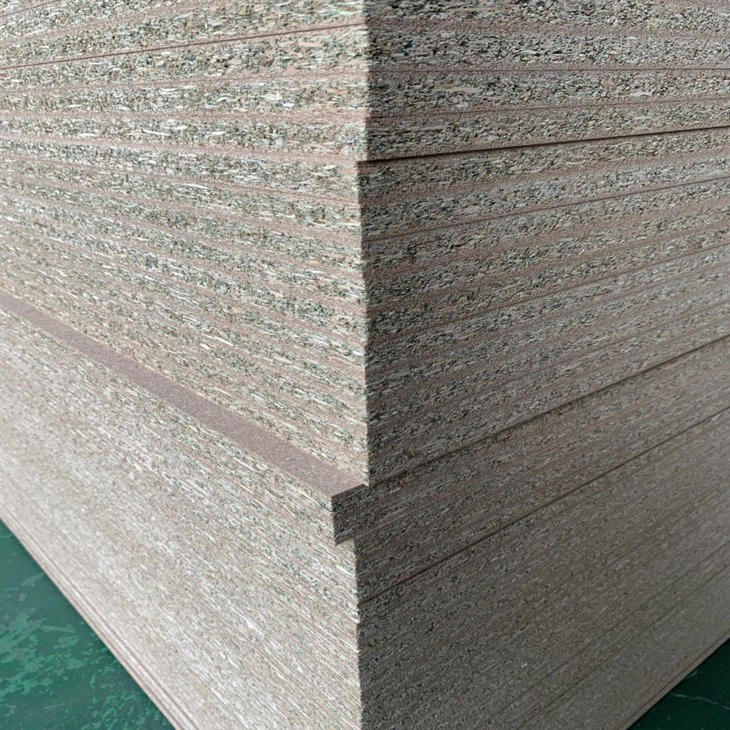
To improve the durability of the particle board, it is important to seal it properly. You can use a waterproof sealant, paint, or varnish to protect the surface of the particle board from moisture and scratches. Make sure to apply the sealant evenly and allow it to dry completely before assembling the pet house.

Provide Adequate Ventilation
To reduce the risk of formaldehyde exposure, make sure the pet house has adequate ventilation. You can install vents or windows to allow fresh air to circulate inside the house. This will help to keep the air quality inside the pet house healthy for your pets.
Protect the Pet House from Chewing
To prevent pets from chewing on the particle board, you can cover the walls of the pet house with a chew - resistant material, such as metal mesh or plastic sheeting. You can also provide your pets with chew toys to keep them occupied and reduce their urge to chew on the house.
Conclusion
In conclusion, particle board can be used for pet houses, but it has its pros and cons. While it is cost - effective, available, and easy to work with, it is not as durable as solid wood and may contain harmful chemicals. However, by choosing the right type of particle board, sealing it properly, and taking other precautions, you can build a safe and comfortable pet house using particle board.
If you're interested in purchasing particle board for your pet house project, I'd be happy to assist you. As a particle board supplier, I offer a wide range of high - quality particle boards at competitive prices. Whether you need Manufacturers' Raw Particle Board, Poplar Or Hardwood Mixture Particle Board, or Moisture Resistant Chipboard, I can provide you with the right product for your needs. Contact me today to discuss your requirements and start your pet house project.
References
- Wood Handbook: Wood as an Engineering Material. Forest Products Laboratory. U.S. Department of Agriculture, Forest Service.
- Environmental Protection Agency. "Formaldehyde in Homes." Accessed [date].
- Pet Health and Safety Guidelines. American Veterinary Medical Association.