As a melamine board supplier, I often encounter questions from customers regarding the laminating process of melamine boards. In this blog, I'll delve into the topic of whether melamine board can be laminated, exploring the technical aspects, advantages, challenges, and practical applications.
Understanding Melamine Board
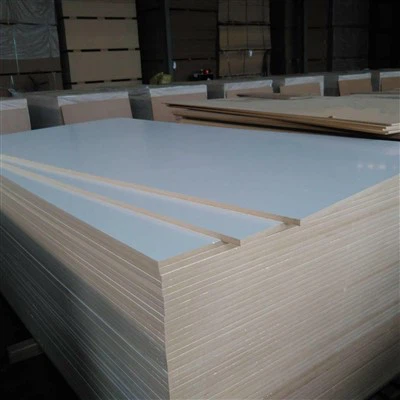
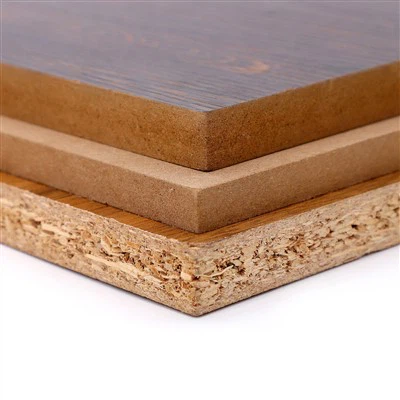
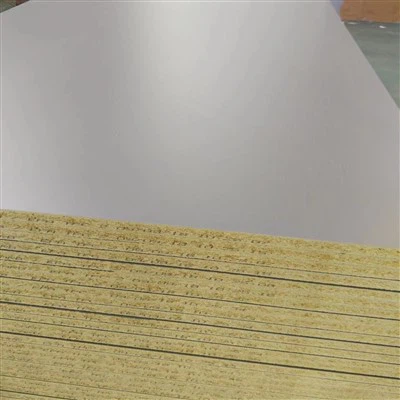
Melamine board, also known as melamine faced board, is a popular material in the furniture and interior decoration industries. It consists of a core material, such as particleboard, MDF (Medium - Density Fiberboard), or plywood, and a melamine resin - impregnated paper surface. The melamine resin gives the board a durable, scratch - resistant, and aesthetically pleasing finish. It comes in a wide range of colors, patterns, and textures, mimicking the look of natural wood, stone, or other materials.
Can Melamine Board Be Laminated?
The short answer is yes, melamine board can be laminated. However, there are several factors to consider before proceeding with the lamination process.
Compatibility of Materials
The key to successful lamination lies in the compatibility of the melamine board and the laminating material. The surface of the melamine board is relatively smooth and hard due to the melamine resin coating. When choosing a laminate, it's crucial to select one that has good adhesion properties to the melamine surface. Some laminates are specifically designed for use on melamine boards, ensuring a strong bond and long - lasting finish.
Surface Preparation
Proper surface preparation is essential for a successful lamination. The melamine board surface should be clean, dry, and free of dust, grease, or any other contaminants. Light sanding can be done to create a slightly rough surface, which helps improve the adhesion of the laminate. However, care must be taken not to sand too aggressively, as this can damage the melamine coating.


Lamination Techniques
There are different lamination techniques available, such as hot - press lamination and cold - press lamination.
- Hot - press lamination: This method involves applying heat and pressure to bond the laminate to the melamine board. The heat activates the adhesive on the laminate, allowing it to flow and bond firmly to the board surface. Hot - press lamination typically results in a more durable and uniform bond, but it requires specialized equipment and a controlled environment.
- Cold - press lamination: As the name suggests, this technique doesn't involve the use of heat. Instead, a pressure - sensitive adhesive is used to bond the laminate to the board. Cold - press lamination is more accessible for small - scale projects and DIY enthusiasts, but the bond strength may not be as high as that achieved through hot - press lamination.
Advantages of Laminating Melamine Board
Enhanced Aesthetics
Laminating melamine board can significantly enhance its appearance. You can choose from a vast array of laminate designs, including high - gloss finishes, metallic accents, or unique patterns that are not available on standard melamine boards. This allows for greater customization and can create a more luxurious and modern look for furniture or interior spaces.
Improved Durability
In addition to aesthetics, lamination can improve the durability of the melamine board. Some laminates offer additional protection against scratches, stains, and UV rays. This is particularly beneficial in high - traffic areas or environments where the board is exposed to harsh conditions.
Cost - effectiveness
Compared to using solid wood or other high - end materials, laminating melamine board is a cost - effective way to achieve a similar look. Melamine boards are relatively inexpensive, and adding a laminate can transform them into a more premium - looking product without breaking the bank.
Challenges and Considerations
Adhesion Issues
As mentioned earlier, ensuring proper adhesion between the laminate and the melamine board can be a challenge. If the surface is not prepared correctly or the wrong type of laminate is used, delamination may occur over time. This can lead to a poor - quality finish and may require costly repairs or replacements.
Edge Treatment
When laminating melamine board, proper edge treatment is crucial. The edges of the board need to be finished neatly to prevent the laminate from peeling or chipping. Special edge banding materials or techniques may be required to achieve a seamless and durable edge finish.
Skill and Equipment Requirements
Laminating melamine board, especially using hot - press techniques, requires a certain level of skill and specialized equipment. For large - scale projects, it may be necessary to hire professional laminators to ensure a high - quality result. DIY enthusiasts should be aware of the learning curve and potential risks involved in attempting to laminate melamine boards on their own.
Practical Applications
Laminated melamine boards have a wide range of practical applications in the furniture and interior design industries.
Furniture Manufacturing
Laminated melamine boards are commonly used in the production of kitchen cabinets, wardrobes, desks, and other types of furniture. The ability to customize the appearance of the boards allows furniture manufacturers to create unique and stylish pieces that meet the diverse needs of consumers. For example, a modern kitchen can feature high - gloss laminated melamine cabinets for a sleek and contemporary look.
Interior Decoration
In interior decoration, laminated melamine boards can be used for wall paneling, room dividers, and ceiling finishes. They can add a touch of elegance and sophistication to any space. For instance, a commercial office can use laminated melamine wall panels with a wood - grain finish to create a warm and inviting atmosphere.
Related Products
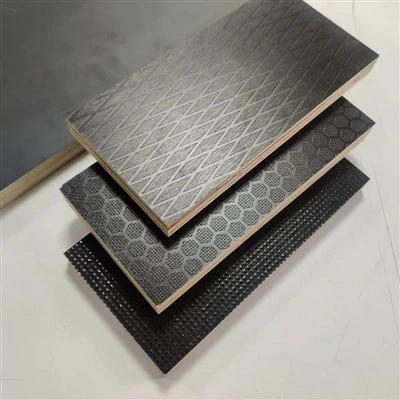
If you're interested in exploring our range of melamine - related products, we offer a variety of options, including Block Board/melamine Laminated Board, White/ Red Oak Plywood, and Melamine Faced Chipboard Board. These products are carefully crafted to meet the highest quality standards and offer excellent performance in various applications.
Conclusion
In conclusion, melamine board can indeed be laminated, and this process offers numerous benefits in terms of aesthetics, durability, and cost - effectiveness. However, it's important to consider the compatibility of materials, proper surface preparation, and the appropriate lamination technique. Whether you're a furniture manufacturer, interior designer, or DIY enthusiast, laminating melamine board can be a great way to achieve a customized and high - quality look for your projects.
If you're interested in purchasing melamine boards or have any questions about the lamination process, please feel free to contact us for a detailed discussion and procurement negotiation. We're committed to providing you with the best products and services to meet your specific needs.
References
- "Wood - Based Panels: Properties, Production, and Applications" by J. Niemz
- "Furniture Manufacturing Handbook" by C. R. Hall