Hey there! As a commercial plywood supplier, I often get asked a bunch of questions about our products. One question that pops up quite a bit is, "Can commercial plywood be used for sound insulation?" Well, let's dig into this topic and find out.
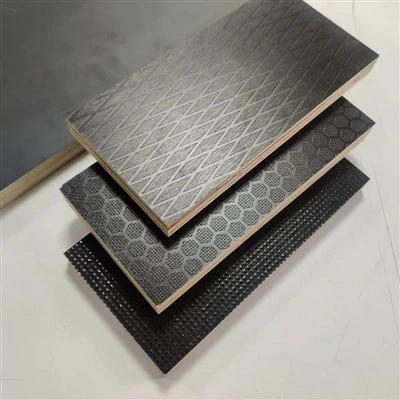
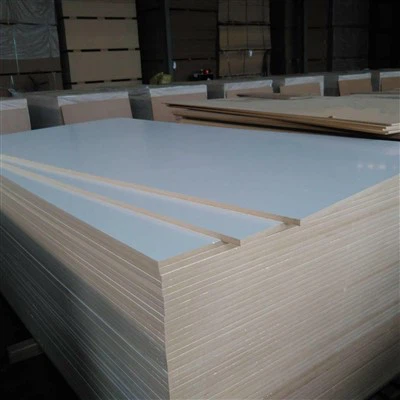
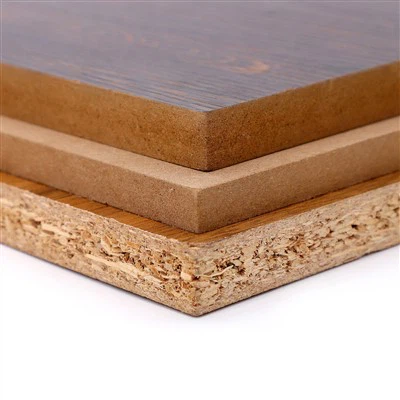
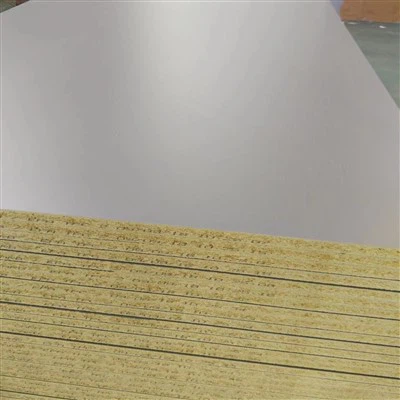
First off, let's understand what commercial plywood is. It's a versatile building material made by gluing together multiple layers of wood veneers. These layers are usually arranged with their grain directions perpendicular to each other, which gives plywood its strength and stability. We offer different types of commercial plywood, like Furniture Grade Plywood, Okoume Marine Poplar Plywood, and Cdx Structural Plywood. Each type has its own unique properties and uses.
Now, let's talk about sound insulation. Sound insulation is all about reducing the amount of sound that passes through a material. It's important in a lot of places, like homes, offices, recording studios, and even vehicles. Good sound insulation can make a space more comfortable and private by blocking out unwanted noise.
So, can commercial plywood do the job? The short answer is, it can help, but it's not a miracle solution on its own.
Plywood has some natural sound - insulating properties. The multiple layers of wood veneers in plywood can absorb and reflect sound waves to some extent. When a sound wave hits the plywood, part of it gets reflected back, and part of it gets absorbed within the layers of the wood. The thicker the plywood, the better it generally is at reducing sound. For example, a thicker sheet of our Cdx Structural Plywood will likely offer more sound insulation than a thinner one.
However, commercial plywood has its limitations. It's not as effective as some specialized sound - insulating materials. Materials like acoustic foam, fiberglass insulation, and mass - loaded vinyl are designed specifically to absorb and block sound. They have unique structures and properties that make them much better at sound insulation compared to plywood.
If you're using plywood for sound insulation, there are a few things you can do to improve its performance. One option is to add additional layers. You can stack multiple sheets of plywood together to create a thicker barrier. This will increase the amount of material that the sound waves have to pass through, thus reducing the amount of sound that gets through.


Another thing you can do is combine plywood with other sound - insulating materials. For example, you can install a layer of fiberglass insulation behind a plywood wall. The fiberglass will absorb a lot of the sound energy, and the plywood will add an extra layer of protection and also help to hold the insulation in place. You can also use acoustic caulk around the edges of the plywood to seal any gaps. Gaps can allow sound to leak through, so sealing them up can improve the overall sound - insulating performance.
Let's take a look at some real - world scenarios. In a home, if you're building a partition wall between two rooms and want to reduce the sound transfer, using commercial plywood can be a good start. You can use Furniture Grade Plywood for a more finished look. It can be painted or covered with other materials to match the decor of the room. Then, add some insulation behind it for better sound control.
In a recording studio, though, you'll probably need more than just plywood. While plywood can be used as part of the structure, you'll also need to use high - quality acoustic panels and other specialized sound - insulating materials to create a truly sound - proof environment.
When it comes to cost, commercial plywood is generally more affordable than many specialized sound - insulating materials. This makes it an attractive option for those on a budget. If you're looking for a cost - effective way to add some sound insulation to a space, using plywood can be a good choice. But keep in mind that you may need to invest in additional materials to get the best results.
In terms of installation, plywood is relatively easy to work with. You can cut it to size using common woodworking tools, and it can be attached to a frame or structure using nails, screws, or adhesives. This ease of installation makes it a popular choice for DIY projects.
To sum it up, commercial plywood can contribute to sound insulation. It has some natural ability to absorb and reflect sound, and with some additional steps, it can be made more effective. But it's not a substitute for specialized sound - insulating materials in situations where high - level sound control is required.
If you're interested in using our commercial plywood for sound insulation or any other project, I'd love to hear from you. Whether you're a contractor, a DIY enthusiast, or someone looking to improve the acoustics of your space, we can help you choose the right type of plywood for your needs. Just reach out to us, and we can have a chat about your project and find the best solution for you.
References
- "Building Acoustics: Sound Insulation and Noise Control" by David A. Bies and Colin H. Hansen
- Wood Handbook: Wood as an Engineering Material, Forest Products Laboratory