

Hey there! As an MDF supplier, I've seen a lot of folks trying to make their MDF desks more stable. And let me tell you, it's not as hard as it might seem. In this blog, I'm gonna share some tips and tricks on how you can achieve a rock - solid MDF desk.
Choose the Right MDF
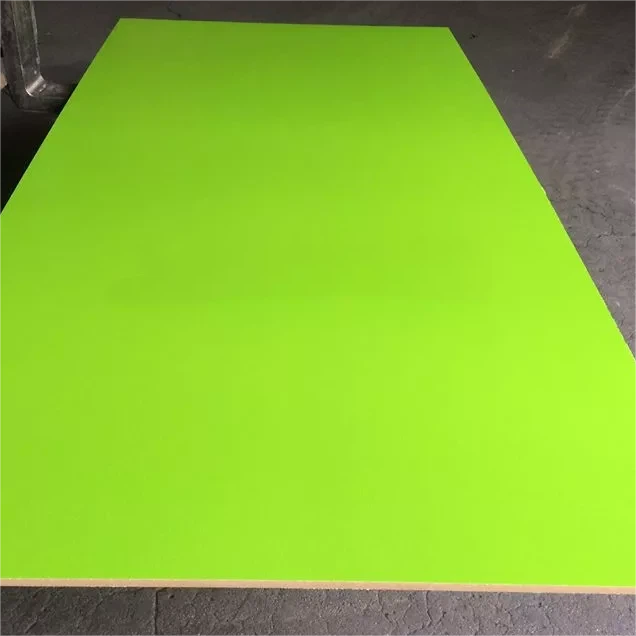
First things first, the type of MDF you use matters big time. We offer a variety of MDF products, like High Quality Melamine MDF for Construction. This stuff is great because it's not only high - quality but also has a melamine finish that makes it more durable. Melamine is a tough resin that can withstand a fair amount of wear and tear, which is perfect for a desk that'll be used daily.
Another option is Uv High Glossymelamine MDF Panels. These panels have a shiny, smooth surface that not only looks great but also adds a bit of extra strength. The UV coating makes them resistant to scratches and fading, so your desk will look good for a long time.
If you're on a budget or just want a simple look, Plain Mdf Board is also a solid choice. It's basic but can be made stable with the right techniques.
Support the Frame
One of the key factors in making an MDF desk stable is having a good frame. You can use wooden or metal frames. For a wooden frame, make sure to use thick, sturdy lumber. Cedar or oak are great choices because they're strong and can support the weight of the MDF top.
When attaching the MDF to the frame, use plenty of screws. Don't skimp on the hardware! Make sure the screws are long enough to go through the MDF and into the frame securely. You can also use wood glue along with the screws for an even stronger bond. Apply the glue to the areas where the MDF and the frame meet, and then clamp them together while the glue dries. This will create a tight, stable connection.
Add Cross - Braces
Cross - braces are a simple yet effective way to add stability to your MDF desk. You can make cross - braces out of wooden strips or metal rods. Attach them diagonally between the legs of the desk. This creates a triangular shape, which is one of the most stable geometric structures.
For wooden cross - braces, cut the strips to the right length and angle them so they fit snugly between the legs. Use screws or nails to attach them. If you're using metal rods, you might need to drill holes in the legs and the rods and then use nuts and bolts to secure them.
Reinforce the Corners
The corners of your MDF desk are vulnerable areas. They can easily get damaged or start to come apart over time. To reinforce them, you can use corner brackets. These are small metal or plastic pieces that you attach to the inside of the corners.

You can find corner brackets at any hardware store. They usually come with pre - drilled holes, so all you need to do is line them up with the corners of the desk and use screws to attach them. This will prevent the corners from splitting or sagging, making your desk much more stable.
Consider the Legs
The legs of your MDF desk play a crucial role in its stability. Make sure the legs are evenly spaced and that they're the same length. Uneven legs can cause the desk to wobble.
If you want to add extra stability to the legs, you can use leg levelers. These are small devices that you can adjust to make sure all the legs are touching the floor evenly. You can find leg levelers at hardware stores or online. Just screw them into the bottom of the legs and adjust them until the desk is stable.
Use a Backing Board
Adding a backing board to the back of your MDF desk can also make it more stable. A backing board helps to distribute the weight evenly and prevents the desk from twisting or warping.
You can use another piece of MDF or a thin plywood sheet as a backing board. Attach it to the back of the desk using screws or nails. Make sure it covers the entire back area for maximum stability.
Check the Assembly
Once you've assembled your MDF desk, give it a good shake. If it wobbles or feels unstable, go back and check all the connections. Make sure all the screws are tight and that all the parts are properly attached.
If you find any loose parts, tighten the screws or add more glue if necessary. You might also need to adjust the cross - braces or leg levelers to get the desk perfectly stable.
Conclusion
Making an MDF desk more stable doesn't have to be a headache. By choosing the right MDF, supporting the frame, adding cross - braces, reinforcing the corners, considering the legs, using a backing board, and checking the assembly, you can have a sturdy, reliable desk that'll last for years.
If you're interested in purchasing high - quality MDF for your desk project, feel free to reach out to us. We're always here to help you find the right products and answer any questions you might have. Let's work together to create the perfect, stable MDF desk!
References
- "Woodworking Basics: Building Stable Furniture" by DIY Woodworking Magazine
- "Stability in Furniture Design" by Furniture Design Journal
- Hardware Store Guides on Desk Reinforcement
