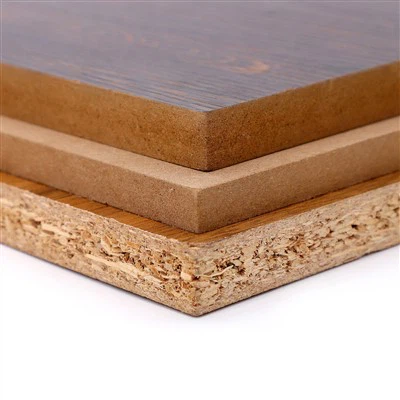
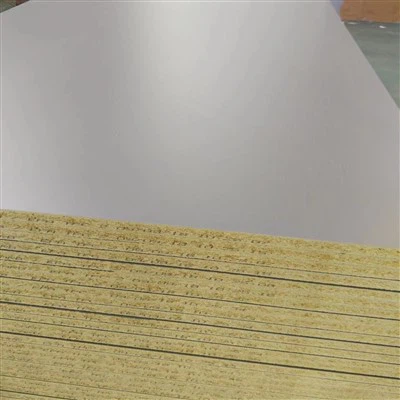
As a seasoned MDF supplier, I've witnessed firsthand the transformative power of stains in enhancing the aesthetic appeal of Medium Density Fiberboard (MDF). MDF, known for its smooth surface, uniformity, and affordability, is a popular choice for a wide range of applications, from furniture making to interior design. However, choosing the right stain can be a daunting task, especially with the plethora of options available in the market. In this blog post, I'll share my insights on the different types of stains suitable for MDF and provide some tips on how to achieve the best results.
Understanding MDF and Stains
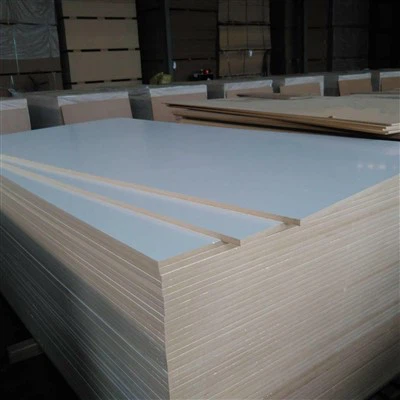
Before delving into the types of stains, it's important to understand the characteristics of MDF. MDF is made by breaking down hardwood or softwood residuals into wood fibers, combining them with wax and a resin binder, and then forming panels under high temperature and pressure. This process results in a dense, homogeneous material with a smooth surface that is ideal for staining.
Stains, on the other hand, are used to color and protect the surface of wood or wood-based materials. They penetrate the pores of the material, enhancing its natural grain and adding depth and richness to the color. There are several types of stains available, each with its own unique properties and application methods.
Types of Stains Suitable for MDF
Oil-Based Stains
Oil-based stains are a popular choice for MDF due to their rich, deep color and excellent durability. They penetrate the surface of the MDF, providing long-lasting protection against moisture, scratches, and wear. Oil-based stains also have a slow drying time, which allows for easy application and blending. However, they can be difficult to clean up and may emit strong fumes during the application process.
To apply an oil-based stain to MDF, start by sanding the surface of the MDF with fine-grit sandpaper to smooth out any rough spots or imperfections. Wipe the surface clean with a damp cloth to remove any dust or debris. Apply the stain using a brush, roller, or cloth, working in the direction of the grain. Allow the stain to penetrate the surface for the recommended time, usually 5-15 minutes, and then wipe off any excess stain with a clean cloth. Repeat the process if necessary to achieve the desired color.
Water-Based Stains
Water-based stains are a more environmentally friendly alternative to oil-based stains. They have a low VOC (volatile organic compound) content, which means they emit fewer fumes and are less harmful to the environment. Water-based stains also dry quickly, which allows for faster project completion. However, they may not provide the same depth of color as oil-based stains and may be less durable.
To apply a water-based stain to MDF, follow the same steps as for oil-based stains. Sand the surface of the MDF, wipe it clean, and apply the stain using a brush, roller, or cloth. Allow the stain to dry for the recommended time, usually 1-2 hours, and then apply a second coat if necessary. Water-based stains can be cleaned up easily with soap and water.
Gel Stains
Gel stains are a thick, viscous type of stain that is ideal for MDF with a smooth surface. They provide a uniform color and are easy to apply, even for beginners. Gel stains also have a slow drying time, which allows for easy blending and touch-ups. However, they may not penetrate the surface of the MDF as deeply as oil-based or water-based stains and may be less durable.
To apply a gel stain to MDF, sand the surface of the MDF and wipe it clean. Apply the gel stain using a brush or cloth, working in the direction of the grain. Allow the stain to dry for the recommended time, usually 1-2 hours, and then apply a second coat if necessary. Gel stains can be cleaned up easily with soap and water.


Lacquer Stains
Lacquer stains are a fast-drying, high-gloss type of stain that is ideal for MDF with a smooth surface. They provide a durable, protective finish that is resistant to scratches, moisture, and wear. Lacquer stains also have a high solids content, which means they provide a thick, rich color. However, they can be difficult to apply and may require multiple coats to achieve the desired effect.
To apply a lacquer stain to MDF, sand the surface of the MDF and wipe it clean. Apply the lacquer stain using a spray gun or brush, working in thin, even coats. Allow each coat to dry for the recommended time, usually 15-30 minutes, before applying the next coat. Apply at least two or three coats to achieve the desired color and finish. Lacquer stains can be cleaned up with lacquer thinner.
Tips for Staining MDF
- Prepare the Surface: Before staining MDF, it's important to prepare the surface properly. Sand the surface of the MDF with fine-grit sandpaper to smooth out any rough spots or imperfections. Wipe the surface clean with a damp cloth to remove any dust or debris.
- Test the Stain: Before applying the stain to the entire surface of the MDF, it's a good idea to test it on a small, inconspicuous area first. This will allow you to see how the stain looks on the MDF and make any necessary adjustments to the application method or color.
- Apply Multiple Coats: To achieve the desired color and finish, it's usually necessary to apply multiple coats of stain. Allow each coat to dry completely before applying the next coat.
- Use a Sealant: After staining MDF, it's important to protect the surface with a sealant. A sealant will provide additional protection against moisture, scratches, and wear. There are several types of sealants available, including polyurethane, varnish, and shellac.
- Follow the Manufacturer's Instructions: When using any type of stain or sealant, it's important to follow the manufacturer's instructions carefully. This will ensure that you achieve the best results and avoid any potential problems.
Conclusion
Choosing the right stain for MDF can be a challenging task, but with the right knowledge and techniques, you can achieve beautiful, long-lasting results. Oil-based stains, water-based stains, gel stains, and lacquer stains are all suitable for MDF, each with its own unique properties and application methods. By following the tips outlined in this blog post, you can ensure that you choose the right stain for your project and achieve the desired color and finish.
If you're interested in purchasing high-quality MDF for your next project, check out our High Quality Raw Plain MDF Board For Furniture, High Glossy MDF, and HPL /PVC Faced HDF MDF Board. We offer a wide range of MDF products at competitive prices, and our team of experts is always available to provide you with the support and guidance you need. Contact us today to learn more about our products and services and to start your next project.
References
- "Staining MDF: Tips and Techniques." Woodworking Network. Accessed [Date].
- "How to Stain MDF." This Old House. Accessed [Date].
- "Choosing the Right Stain for MDF." Fine Woodworking. Accessed [Date].